
Top Rs 10 Trading Apps in India: A Practical Guide
Discover affordable Rs 10 trading apps in India 📱 Compare features, charges, security & support to pick the best platform for both beginners and seasoned traders.
Edited By
Sophie Williams
Trading apps have reshaped how people trade and invest in India’s financial markets. With a smartphone and internet, traders can now access the stock market, commodities, and mutual funds anytime, anywhere. This shift has brought convenience, speed, and transparency to trading, but it also means choosing the right app is more important than ever.
The Indian market offers many trading platforms, each with different features, charges, and levels of complexity. Some apps focus on beginners with simple interfaces, while others cater to professional traders with advanced charts and order types. For instance, Zerodha’s Kite app is popular among active traders for its speed and analytics, whereas Groww appeals to new investors with easy navigation and mutual fund options.
Before downloading any trading app, consider what you want to achieve with it — are you looking to invest for the long term, or are you an intraday trader who needs real-time updates and quick order execution?
Key factors to check include:
User interface: It should be intuitive and quick, avoiding clutter.
Fees and charges: Brokerage, transaction fees, and hidden costs can eat into profits.
Security measures: Look for apps with strong encryption, two-factor authentication, and compliance with SEBI guidelines.
Market coverage: Some apps cover NSE and BSE, but others extend to commodities, currency, or even international stocks.
Educational resources: These help beginners understand market trends and trading strategies.
Understanding these aspects will help you pick an app that fits your trading style and investment goals. As you explore options, compare features like margin trading, chart tools, and customer support. Remember, the best trading app in India is the one that balances functionality with ease of use and reliability.
Next, we will explore the top trading apps available in India and how they stack up on these important parameters.
Choosing a trading app isn't just about picking the flashiest platform. You need to understand key features that affect your experience, costs, and security. Knowing what to look for helps traders and investors avoid surprises and tailor their choice to their style and needs.
For beginners, a simple layout makes entering the trading world less intimidating. Clean menus, clear buttons, and intuitive workflows cut down confusion. Take Zerodha Kite for example — it offers a straightforward interface where new users can easily place orders without feeling lost in jargon.
On the other hand, experienced traders demand advanced tools like real-time charts, technical indicators, and multi-window support. Upstox Pro caters well here, providing detailed charting and multiple order types that help active traders spot opportunities quickly.
Data encryption safeguards your sensitive information from cyber threats. A trustworthy app uses strong encryption protocols to keep passwords, transactions, and personal details safe. Without this, you risk facing identity theft or financial loss.
Meanwhile, SEBI registration is not optional for brokers operating in India. Compliance with the Securities and Exchange Board of India (SEBI) assures you that the app follows strict rules protecting investors. Always check for SEBI registration before linking your bank or Demat account.
Robust apps support multiple trading instruments like equities, derivatives, and commodities. This variety allows users to diversify their portfolio all within one platform. For instance, Angel Broking provides access to stocks, futures, options, and commodity trading seamlessly.
Accessing major exchanges such as Bombay Stock Exchange (BSE), National Stock Exchange (NSE), and Multi Commodity Exchange (MCX) is essential. Such coverage means you can trade across sectors and asset classes without switching apps.
Latency—the delay between order placement and execution—can heavily impact short-term trading. Even milliseconds matter for day traders relying on quick moves. An app with low latency means your orders reach the exchange almost instantly, reducing slippage or missed opportunities.
Beyond speed, app uptime and server stability ensure you remain connected during volatile market hours. Servers crashing or frequent downtime can cause huge losses. Therefore, pick platforms known for consistent performance, like Groww and 5Paisa.
Some apps charge flat fees per trade, which benefits frequent traders as costs stay predictable. Others use percentage-based charges, where fees rise with bigger trade sizes. Understanding this helps manage expenses effectively.
Watch out for hidden costs such as Demat maintenance, GST, or fund transfer fees. Many traders overlook these extra charges, which add up over time. Reviewing the full cost break-up prevents surprises on your statement.
Selecting a trading app wisely means balancing user experience, security, market access, execution speed, and costs. These core features shape your overall satisfaction and success in the Indian markets.
Choosing the right trading app is essential for making the most out of your investments. In India, the diversity of platforms reflects varied user needs, from beginners testing the waters to seasoned traders requiring advanced tools. This section covers the most popular apps, highlighting their distinct advantages and features, helping you decide which suits your trading style best.
Zerodha Kite is known for its clean and intuitive user interface. Beginners find the simple layout easy to navigate, while experienced traders appreciate quick access to stock information and charts without clutter. The app avoids overwhelming the user, making trading smoother even on a basic 4G connection.
Zerodha has disrupted the market with low brokerage charges, particularly favouring retail traders. It charges a flat ₹20 per trade for intraday and F&O (futures and options) segments, which keeps costs predictable. This transparency saves frequent traders significant amounts compared to percentage-based fees.
An important strength of Zerodha is its Console platform—a dedicated back-end for portfolio analysis, tax reports, and mutual fund tracking. This integration allows investors to monitor investments beyond trading, simplifying tax filing and financial planning from one dashboard.
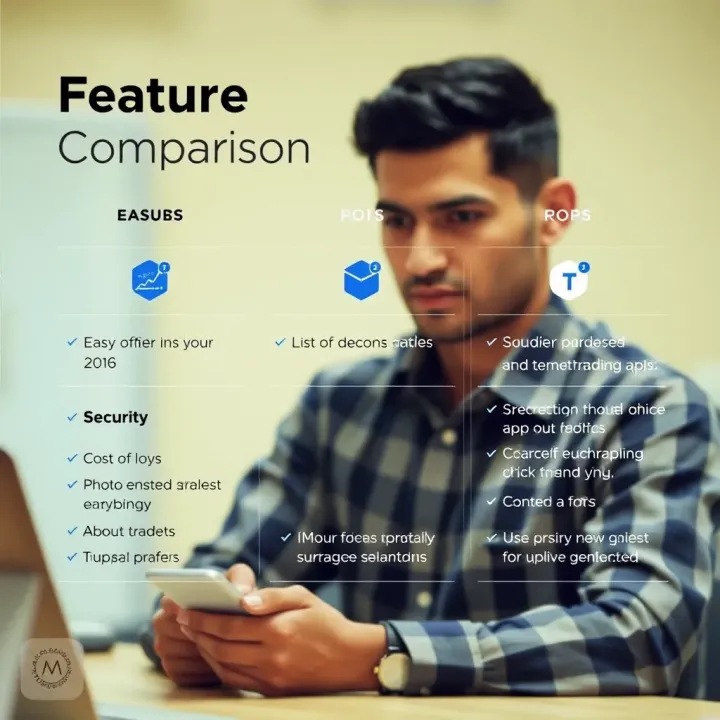
Upstox Pro stands out for its sophisticated charting tools. Traders dealing with technical analysis benefit from various indicators and customisable chart settings. This proves valuable in making informed short-term trading decisions.
Like Zerodha, Upstox offers competitive brokerage with flat fees—₹20 or zero for equity delivery trades. This model attracts active traders seeking affordable costs with quality features.
Besides equities and derivatives, Upstox supports commodities and currency trading, plus mutual funds through its app. This range helps investors diversify easily within one platform.
Angel Broking’s app brings AI-based recommendations that consider market trends and personal risk profiles. This feature is useful for investors looking for personalised guidance rather than relying solely on static reports.
The app supports integrated fund transfers, UPI payments, and instant deposits, making it convenient to move money without switching apps—a time-saver during fast-market movements.
Angel Broking provides in-depth market analysis and stock recommendations daily. Access to quality research is a boon for informed decision-making, especially for long-term investors.
5Paisa offers some of the lowest brokerage rates, including zero brokerage on equity delivery trades in specific plans. This affordability appeals to cost-conscious beginners and small investors.
The app’s straightforward design helps newcomers quickly understand basic trading actions. Features like guided account opening and easy navigation promote confidence among first-time traders.
Besides stocks, 5Paisa enables mutual fund investing directly from the app. Investors can manage both investments without juggling multiple platforms.
Groww started as a mutual fund app but expanded to stocks, keeping its focus on long-term investment products. It suits users cautious about volatile markets and interested in straightforward investing.
Opening an account on Groww takes minimal time with Aadhaar and PAN-based eKYC processes, making the onboarding hassle-free, especially for those new to investing.
Groww’s dashboard organises investment details clearly. It displays performance, market news, and investment summaries, helping users track their portfolio at a glance.
Selecting the right app depends on your trading style, cost sensitivity, and feature needs. These popular Indian trading platforms offer varied benefits, ensuring you can trade or invest comfortably without missing out on key functionalities.
Choosing a trading app without considering your own trading style and priorities can lead to a frustrating experience or even financial loss. Comparing apps based on user needs helps you pick a platform that fits your approach and goals. For example, a beginner needs an app with a simple setup and educational support, while an active trader demands fast order execution and advanced tools. This comparison ensures you don’t end up paying extra for features you won’t use or missing crucial functionality.
Simplified onboarding process makes it easier for new traders to get started quickly without hassle. Many beginners struggle with complex KYC (Know Your Customer) verification or lengthy account setup steps. An app like Groww, for instance, offers a quick digital onboarding using Aadhaar e-KYC that requires minimal paperwork. This saves time and lowers the entry barrier for fresh investors.
Educational resources are critical for beginners to understand market basics and trading mechanics. Apps providing tutorials, videos, and articles help users build confidence and reduce the risk of mistakes. For example, Angel Broking offers beginner-friendly content alongside AI-driven advice, making it practical for newbies to learn while trading.
Ease of use refers to how intuitive the app interface is, including navigation, placing orders, and viewing portfolio updates. Apps like Zerodha Kite focus on a clean layout with simple menus and minimal clutter, helping beginners avoid confusion. A straightforward user experience can be the difference between persevering or abandoning investing altogether.
Real-time charts and data allow active traders to monitor market movements instantly and make timely decisions. Delays, even of seconds, can mean missed opportunities in fast-moving markets like derivatives. Upstox Pro offers advanced charting with multiple indicators that update live, catering well to day traders.
Order types and advanced tools such as bracket orders, stop-loss, and cover orders help manage risk while maximising profits. Experienced users expect a rich toolkit to tailor their trades effectively. Platforms like 5Paisa provide a variety of order types, enabling more strategic trading.
Quick order execution matters because sluggish apps can lead to slippage - when an order executes at a worse price than intended. High-frequency traders especially require reliable backend servers and low-latency network infrastructure. Major players like Zerodha invest heavily in technology to keep execution swift and accurate.
Portfolio management tools help long-term investors track holdings, dividends, and asset allocation easily. Features like goal tracking or SIP (Systematic Investment Plan) management assist in steady wealth building. Groww’s intuitive dashboard supports investors focusing on mutual funds and stocks together.
Research and analysis provide insights into company fundamentals, market trends, and economic factors. Long-term investors depend on in-depth reports or expert opinions to refine their strategies. Angel Broking's comprehensive research section is valued by those who plan beyond quick trades.
Low maintenance costs reduce erosion of returns over time. Long-term investors look for platforms with minimal Demat account charges, low annual fees, and no hidden costs. Even cost differences of a few hundred rupees each year add up significantly over a decade.
Performance on different devices ensures users can trade anytime anywhere without glitches. An app that runs smoothly on both budget smartphones and flagship models will reach a wider audience. For instance, apps focusing on lite versions cater well to traders in tier-2 and tier-3 cities where older devices are common.
Offline features and notifications keep investors informed even without constant internet access. Push alerts for price changes or order confirmations help users act promptly. Some apps allow queuing orders offline and send them when connectivity resumes, which is handy during unreliable network conditions.
Selecting a trading app must always align with your specific needs instead of chasing popular names. Evaluating these practical factors saves time, money, and frustration in your trading journey.
Selecting a trading app that fits your unique needs can make a real difference in your investing journey. Each trader's style, financial goals, and comfort with risk vary, so the right app for one person may not work for another. This section breaks down key factors to consider before committing to a platform, helping you avoid unnecessary costs and frustrations.
Active trading and long-term investing require different tools and approaches. Active traders depend on real-time data, quick order execution, and features like intraday charts or options trading. For example, a day trader in Mumbai might need an app offering speed and detailed technical indicators. On the other hand, long-term investors seek portfolio management tools, research reports, and stable platforms to hold equities or mutual funds over years.
Risk appetite also shapes your choice. A conservative investor may want apps with clear risk disclosures, stop-loss options, and conservative investment suggestions. Contrarily, risk-takers might prefer platforms promoting derivatives or margin trading with higher potential returns but amplified risks. Understanding your tolerance prevents mismatches between your comfort level and the app’s offerings.
Trading costs affect profitability, especially for frequent traders. Some apps charge flat fees per trade, while others take a percentage of the transaction value. For instance, Zerodha offers a flat ₹20 per order, beneficial for high-value trades, whereas others might suit smaller trades with percentage-based charges. Knowing this helps control expenses in line with your trading volume.
Be wary of hidden service charges like demat account fees, call-and-trade costs, or GST on brokerage. These can add up silently over time. Check thoroughly the fee breakdown before registering to avoid unpleasant surprises.
Many platforms offer demo accounts or free trials. Using these lets you familiarise yourself with the interface, spot glitches, and assess how swiftly you can place orders under simulated conditions. For example, Upstox Pro’s demo mode showcases advanced charting without risking real money.
Customer support quality also counts. Responsive and knowledgeable assistance matters when technical or transaction issues arise. Check if the app provides multiple support channels such as phone, chat, or email, and review user feedback about their service reliability.
Regular updates signal active maintenance, fixing bugs, and strengthening security. An app not updated for months may expose you to vulnerabilities or fail to comply with the latest SEBI norms.
Multi-factor authentication (MFA) is vital for account safety. Apps integrating OTPs (one-time passwords), biometrics, or hardware tokens reduce the risk of unauthorised access, particularly important as phishing attacks grow sophisticated.
Choosing a trading app with the right mix of features, costs, usability, and security ensures smoother, safer trading aligned with your individual financial goals.
When choosing a trading app, being aware of common pitfalls can save you from costly mistakes. Many traders overlook crucial details like hidden charges, security risks, or placing too much trust in automated advice. Recognising these issues upfront helps you protect your investments and use the app more effectively.
Demat account fees often catch users by surprise. Though many apps promise zero brokerage or free trading, they may still charge for Demat account maintenance. This fee, usually annual or quarterly, covers the cost of holding your securities electronically. For instance, some platforms charge a nominal ₹300–₹500 annually, which can add up if you’re trading through multiple apps or investors holding small portfolios must keep this cost in mind.
Similarly, transaction and GST charges can eat into your profits if overlooked. Transaction charges vary depending on the broker and trading volume, and GST (Goods and Services Tax) applies on these charges at 18%. For example, even if flat brokerage seems low, once transaction fees and GST add up, the effective cost per trade can increase substantially. Keeping track of these charges prevents unexpected deductions, especially for frequent traders.
Phishing attacks pose a serious threat to trading app users. Cybercriminals may send fake emails or messages that look like bank or broker communications, tricking you into revealing passwords or OTPs. In one recent case, a trader received a WhatsApp message mimicking their broker's support and shared sensitive information, leading to unauthorised transactions. Stay alert for such attempts; always verify the sender’s identity and never share your login details casually.
Safe password practices are your first line of defence. Many users reuse simple passwords across platforms, increasing the risk if one account gets compromised. Using a strong, unique password combined with two-factor authentication (2FA) adds crucial layers of security. For instance, apps like Zerodha and Upstox support 2FA through SMS or authenticator apps. Regularly updating your passwords and avoiding password-sharing further safeguards your account from hacking.
Understanding risks of algorithmic advice is essential. Many apps now offer automated tips or AI-driven recommendations, which look tempting for quick decisions. However, these algorithms rely on historical data and may not predict sudden market changes. Blindly following such advice can lead to losses, especially during volatile periods like unexpected policy announcements or global events.
Hence, there is a need for personal analysis alongside algorithmic input. Traders and investors should cross-verify app suggestions with their own research or consult financial experts if needed. For example, reviewing company fundamentals, market news, and macroeconomic factors adds depth often missing in automated tools. Balancing technology with human judgement helps create a robust trading strategy.
Being mindful of hidden fees, securing your account, and critically evaluating automated advice are vital steps in using trading apps wisely. This approach safeguards your investments and supports smarter decision-making.
Keeping these pitfalls in check ensures you get the most out of your chosen trading platform without unwelcome surprises or security concerns.
Discover affordable Rs 10 trading apps in India 📱 Compare features, charges, security & support to pick the best platform for both beginners and seasoned traders.
Explore RBI approved trading apps in India 📱🔒 Learn how to verify app authenticity and understand key security features for safe trading.
Explore how real money trading apps work in India 🇮🇳, their features, security tips 🔒, and different types like gaming, fantasy sports 🏏 & stocks 📈.
Discover how to pick the best binary trading app for Indian traders📱. Compare security, user experience, and regulations to trade safely and confidently📊.
Based on 10 reviews