

QXBroker.com Review for Indian Traders
Explore QXBroker.com for Indian traders 🇮🇳—detailed review on account types, fees, platforms, support & learning tools to make smart trading choices 📊
Edited By
Oliver Hughes
Starbucks, as a dominant player in the global coffee industry, holds a significant share in numerous markets, including India. However, it does not operate in a vacuum. Around the world and especially within India, several strong competitors challenge Starbucks by offering distinct coffee experiences and localised strategies.
These competitors vary from international chains with extensive footprints to rapidly growing homegrown brands that appeal strongly to Indian tastes and preferences. For investors and market watchers, understanding these players is key to gauging Starbucks’ competitive environment and future growth possibilities.
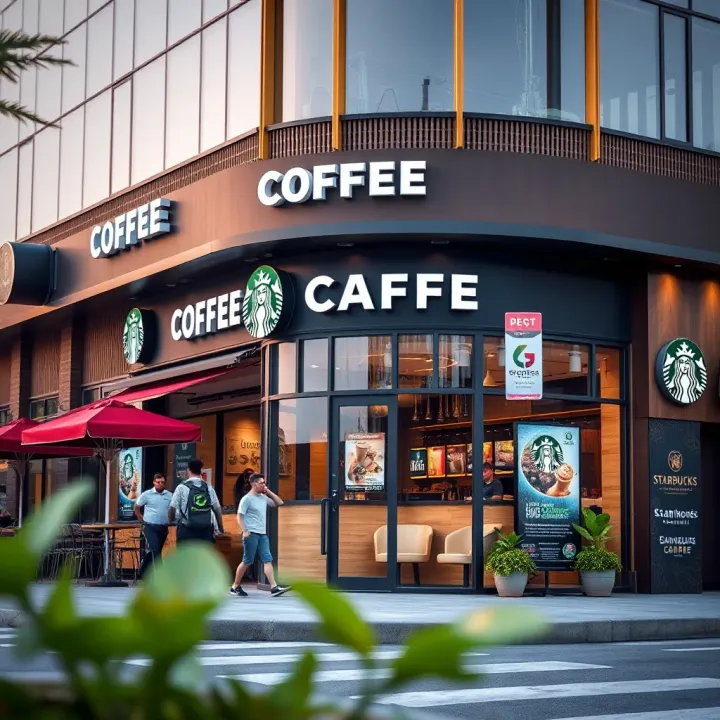
Major coffee chains differentiate themselves not just by their menu but also through branding, pricing, store ambience, and digital engagement, all of which shape consumer choices.
Among global rivals, Costa Coffee, Dunkin' Donuts, and McCafe stand out. Costa Coffee, acquired by The Coca-Cola Company, leverages vast distribution networks and affordable yet quality beverages. Dunkin' Donuts, with its focus on quick, value-for-money offerings, attracts customers seeking convenience. McCafe integrates coffee into fast-food ecosystems, broadening accessibility.
Indian brands bring unique value propositions shaped by local culture and consumer habits. Chains like Café Coffee Day (CCD) pioneered organised coffee retailing in India and maintain a wide network in tier-2 and tier-3 cities. Barista Coffee, focusing on metropolitan areas, competes on premium offerings and service.
More recently, players like Blue Tokai and Third Wave Coffee Roasters have carved niche positions by emphasising single-origin beans, artisanal roasting, and café experiences targeting urban millennials and working professionals. These brands combine quality and Indian coffee heritage to stand apart from global giants.
For traders and analysts, monitoring these competitors involves evaluating their expansion plans, financial health, partnerships, and digital initiatives like app-based loyalty programmes. Their ability to adapt to India's price-sensitive yet quality-conscious market affects Starbucks' market share and revenue projections. Likewise, property leases, supply chain efficiency, and menu innovation remain crucial battlegrounds.
This overview sets the stage for a detailed examination of each major competitor’s strategy, performance metrics, and growth in the coming sections.
Starbucks does not hold its ground alone in the coffee market. Several major global chains offer stiff competition with distinct strategies and presence. Their approaches to product mix, customer engagement, and market expansion provide valuable insights, especially for investors and analysts watching coffee retail trends.
Dunkin’ Donuts goes beyond coffee, offering a broad menu from donuts to breakfast sandwiches. Its pricing is noticeably lower than Starbucks, aiming for volume sales rather than premium margins. This makes Dunkin' an attractive choice for price-sensitive customers, particularly in urban and suburban markets where daily coffee runs are common.
With a presence in over 40 countries, Dunkin’ Donuts has established a wide customer base that values quick service and affordability. Its footprint in the US is significant, and it is steadily expanding in Asia, including India. This growing reach is important for investors who watch global market penetration as a key growth indicator.
Dunkin’ Donuts emphasises practical, everyday appeal through campaigns focused on convenience and value. Their brand messaging targets on-the-go lifestyles, often integrating digital platforms for promotions and loyalty schemes which increase customer retention.
Costa Coffee stands out with a strong focus on quality beverages and inviting store ambiance. Unlike Dunkin, it targets a more indulgent experience with comfortable seating and décor that invites longer visits. This strategy is effective in attracting urban professionals and casual sit-down customers, which reflects in consistent footfall and repeat visits.
The brand is betting on emerging markets like India and China to drive future growth. By tailoring store formats to local preferences and entering high-traffic malls and business districts, Costa aims to capture the aspirational middle class who seek premium yet accessible coffee experiences.
Costa has introduced innovative menu items like cold brew variants and regional snacks, catering to evolving tastes. These innovations help it maintain differentiation and keep customers engaged, which is vital for market share growth in competitive environments.
McCafe benefits hugely from being part of McDonald’s network, using existing outlets to deliver coffee without additional store overheads. This integration helps McCafe reach customers who may not visit standalone coffee shops but frequently use McDonald’s for quick meals.
McCafe positions itself as a budget-friendly coffee provider with simple offerings that attract value-conscious consumers. Compared to Starbucks, McCafe’s pricing strategy appeals especially in price-sensitive markets like India.
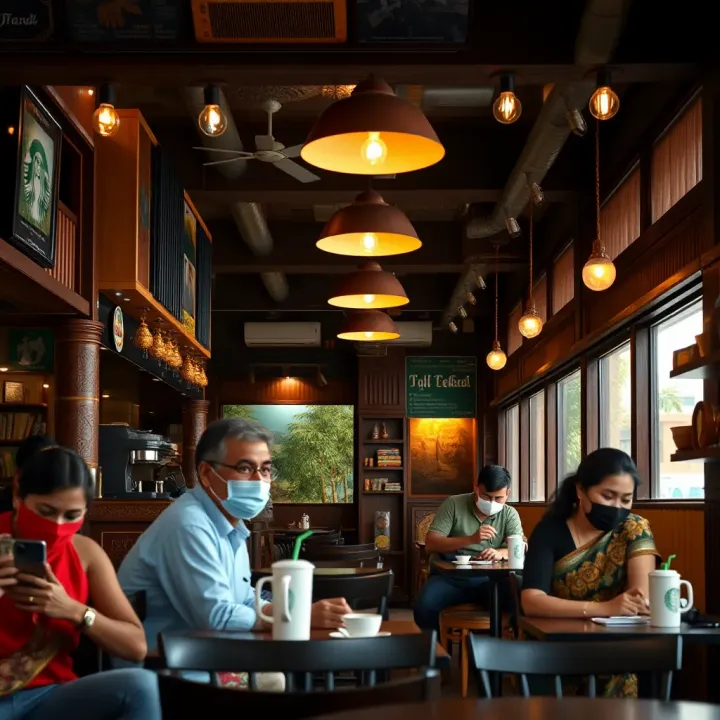
Thanks to McDonald’s extensive outlet network in cities and highways, McCafe enjoys unmatched convenience in accessibility. This makes it a natural choice for people seeking coffee on the move, broadening its customer base beyond traditional coffee drinkers.
Understanding these competitors' models offers investors clarity on how Starbucks is challenged globally. Each brand capitalises on unique strengths—pricing, experience, or convenience—shaping market dynamics and consumer preferences.
India’s coffee market is unique, shaped by local tastes, cultural preferences, and rising urban demand. Indian coffee brands compete with Starbucks not just by offering popular brews but also through distinct market familiarity and regional appeal. Understanding their role helps investors and analysts gauge competition levels, growth potential, and consumer trends inside India’s rapidly maturing cafe segment.
Cafe Coffee Day (CCD) holds a special place in India's coffee industry, having pioneered organised café culture since the late 1990s. Its extensive network — with thousands of outlets across metropolitan and tier-2 cities — made it a household name and a natural first choice for many consumers. For traders, CCD's historic dominance reveals the strength of local brand loyalty over foreign entrants like Starbucks.
CCD’s product variety caters to both traditional and experimental palates, from classic filter coffees to flavoured cold brews, capturing wide customer segments. Loyalty programmes and accessible pricing helped retain clientele, especially students and young professionals. This product range alongside affordability is critical when assessing CCD’s resilience amid intense competition.
That said, CCD has faced tough times recently, including financial setbacks and ownership changes. Market turbulence and newer cafés with niche positioning challenged CCD’s earlier formula. However, recent attempts to refresh its brand and innovate menu offerings imply a strategic pivot, worth tracking for potential market recovery or consolidation.
Barista, once among CCD's closest rivals, has evolved from a simple coffee park concept to more experience-driven outlets. After changes in ownership and brand repositioning, Barista is focusing on enhancing customer experience with an emphasis on ambience and specialized coffee blends. For financial analysts, its journey highlights how mid-tier coffee chains can survive by carving niche appeal.
Meanwhile, third-wave coffee brands like Blue Tokai and Indian Bean are gaining steady traction among connoisseurs. These brands prioritise single-origin beans, artisanal brewing techniques, and direct farmer relationships, appealing to a discerning urban consumer who values traceability and quality over convenience. Their rise indicates a maturing market segment that investors may find promising though presently niche.
Beyond these, numerous local and regional cafes thrive by tapping into community ties and local flavours. Small chains and standalone coffee shops in cities like Bengaluru, Chennai, and Pune offer personalised service and unique coffee experiences grounded in regional preferences. They present both challenge and opportunity—while limited in scale, their deep local engagement can create loyal followings and influence broader market trends.
Local Indian coffee brands blend tradition with innovation, balancing affordability and quality, which keeps them relevant against international giants like Starbucks.
Together, these players depict a diverse Indian coffee landscape where homegrown brands continue to matter, making the competition far from straightforward for global chains. Understanding each brand’s strategy and position assists stakeholders in anticipating market shifts and investment opportunities within India’s evolving coffee sector.
Starbucks faces stiff competition as rival brands employ varied strategies to attract and retain customers. These strategies often focus on pricing, menu flexibility, and store environment, which prove critical in a price-sensitive and culturally diverse market like India. Understanding these tactics helps investors and analysts gauge competitors’ moves and potential impacts on Starbucks' market share.
Discounts and loyalty programmes play a vital role for competitors in drawing repeat customers. Brands such as Dunkin’ Donuts and Barista have leveraged loyalty apps offering points or vouchers, creating a steady return customer base. These programmes often bring rewards tailored to local festive seasons or off-peak hours, encouraging more footfall and upselling. For investors, a robust loyalty scheme indicates a brand’s focus on customer retention rather than just one-time sales.
Value packs and seasonal offers provide an accessible entry point for price-conscious consumers. Costa Coffee, for example, frequently launches combo deals—coffee paired with snacks at appealing prices during monsoon or holiday seasons. These offers attract a wider customer base and can temporarily spike sales volumes. Seasonal promotions allow competitors to respond agilely to market shifts, contrasting Starbucks' relatively fixed premium pricing.
Adapting to local tastes and preferences remains a core strategy. Indian chains like Cafe Coffee Day incorporate masala chai or filter coffee alongside international staples. Even global players such as McCafe have begun introducing Indian spice-inspired beverages. This localisation widens market appeal, particularly in tier-2 and tier-3 cities where familiarity is key.
Introducing regional flavours and snacks complements beverage options and enhances consumer experience. Many Indian chains curate menus featuring regional savouries—like vada pav in Mumbai or samosas in Delhi—offering a unique selling point compared to Starbucks' global menu. This approach not only boosts average bill size but also strengthens local connect, an essential factor in India’s diverse consumer segments.
Competitors differentiate themselves through design and layout differences that reflect local sensibilities. While Starbucks invests in uniform store aesthetics worldwide, brands like Barista or local cafés often customise interiors with regional art or community motifs. This can make coffee outlets more inviting for local patrons seeking familiarity with a twist.
Meanwhile, many chains emphasise community spaces and events as a way to deepen engagement. Hosting book readings, music nights, or open mic events creates a social hub rather than just a café. These initiatives encourage customer loyalty beyond the product, helping chains build distinct identities and reduce churn.
Competitors’ use of targeted pricing, culturally relevant menus, and personalised store experiences challenge Starbucks’ traditionally premium, standardized model in the Indian market.
This dynamic illustrates how understanding local nuances and evolving customer preferences will determine future winners in India’s growing coffee market.
Digital platforms and delivery services have reshaped how coffee chains engage with their customers, especially in India’s expanding urban markets. With rising smartphone penetration and increasing internet access, coffee brands rely heavily on online channels to stay competitive and meet evolving customer preferences. Technology not only boosts convenience but also expands reach far beyond traditional storefronts, creating new growth opportunities for global and local chains.
Online ordering through mobile apps has become a major factor in customer choice. Busy professionals and millennials prefer ordering their favourite brews with a few taps instead of waiting in queues. For example, Starbucks India’s dedicated app allows customers to customise drinks, save favourites, and skip the line. This convenience leads to more frequent purchases and higher customer retention. Coffee chains that quickly adapted to digital ordering saw a marked improvement in sales, especially in metro cities like Bengaluru and Mumbai.
Seamless payment integration is equally critical. Most leading coffee apps now accept Unified Payments Interface (UPI) and popular mobile wallets such as Paytm and Google Pay. This integration speeds up checkouts and ensures contactless, hassle-free transactions—a feature that became all the more vital during the pandemic. Chains that embed multiple Indian payment options within their apps provide a smoother user experience, encouraging digital loyalty programme enrolments and repeat visits.
Collaborations with major food delivery platforms like Swiggy and Zomato are reshaping how coffee brands serve their customers. These platforms bring larger visibility and tap into their vast user base, enabling coffee chains to reach customers even without physical proximity. For instance, Costa Coffee’s presence on both apps boosted its deliveries significantly, supporting sales beyond its outlets. For investors, partnerships that boost digital delivery represent critical avenues for growth amid changing consumer habits.
Delivery tie-ups have allowed coffee chains to break geographical limitations. Smaller towns and suburban areas, where outlet presence is limited, now enjoy access to premium coffee options thanks to delivery platforms. This expansion not only increases sales volume but also introduces brands to new customer segments at minimal upfront investment. Chains focusing on last-mile delivery logistics tend to capture market share faster, making it a key metric to watch when assessing competitive strength in the coffee sector.
Digital adoption in ordering and delivery is no longer optional but a pivotal business strategy. Coffee chains embracing tech integration and delivery partnerships stand a better chance at thriving in India’s dynamic market.
In sum, the impact of digital platforms and delivery services extends beyond convenience; it transforms customer engagement, payment experiences, and market expansion. Observing how major players capitalise on these tools offers valuable insights into future competition and investment prospects.
Understanding the future outlook for Starbucks and its competitors in India helps investors and market watchers gauge where the coffee retail market is heading. The Indian café scene is evolving rapidly with changing consumer tastes, shifting market dynamics, and increased competition. Insight into emerging trends, strategic moves, and market consolidation prospects will aid stakeholders in making informed decisions about investments and business expansions.
Consumers in India are showing a growing interest in speciality coffee beyond traditional filter coffee or instant blends. This shift is driven by urban millennials and working professionals who seek handcrafted brews highlighting single-origin beans and unique roasting methods. Chains like Starbucks and third-wave Indian brands such as Blue Tokai and The Coffee Co. are tapping into this trend by offering curated menus with fresh beans from specific Indian coffee-growing regions like Coorg and Araku.
This demand influences purchase choices, putting pressure on retailers to maintain high bean quality and skilled baristas. For investors, businesses focusing on speciality coffee have higher potential for premium pricing and customer loyalty, which could translate to better margins and sustainable growth.
Sustainability is becoming a key factor for Indian consumers when selecting coffee brands. Awareness of environmental impact and fair labour practices is rising, especially among affluent urban customers. Brands like Starbucks have begun promoting ethically sourced arabica beans through programmes aligned with the Rainforest Alliance or Fair Trade certifications, aiming to appeal to this conscientious segment.
Such efforts impact supply chain management and cost structures but also enhance brand reputation. For competitors, adopting sustainable sourcing is no longer optional but a strategic necessity to maintain relevance and market share in India’s progressive café culture.
The Indian coffee market’s fragmented nature invites consolidation as larger players seek to broaden portfolios or expand regional reach. Mergers between emerging chains or acquisitions by established groups can result in economies of scale, access to better raw materials, and shared technology platforms, including digital ordering systems.
Investors should monitor these moves closely, as consolidation can signal strategic repositioning. For example, Cafe Coffee Day’s recent restructuring episodes open possibilities for takeovers or strategic partnerships, reshaping market dynamics.
Despite a growing presence of chains, niche cafés focusing on artisanal experiences continue to find space in metro cities and tier-2 towns. These outlets often emphasise unique brewing methods, curated ambience, and community building through events, catering to discerning customers.
Such small chains or independent cafés offer attractive investment opportunities in high-growth urban pockets. They can complement bigger players by targeting specialised segments, ensuring diverse options for consumers and maintaining a healthy competitive environment.
The coffee market in India is not just about volume but creating experiences that resonate with evolving consumer aspirations, making future outlook analysis vital for stakeholders.
Explore QXBroker.com for Indian traders 🇮🇳—detailed review on account types, fees, platforms, support & learning tools to make smart trading choices 📊

Explore the QXBroker app for Indian traders 📱: detailed features, secure payments, trading tools, and support to help you trade confidently.

Explore QX Affiliate 🌐 in detail: features, benefits & practical tips for Indian marketers 🇮🇳 to launch campaigns and boost earnings seamlessly!

Explore QXBroker Com's features for Indian traders 📈. Get details on account types, trading platforms, markets, regulations, and secure fund handling 💰.
Based on 11 reviews