

Choosing the Best Trading Platform Worldwide
Find the best trading platform 🌐 tailored for your needs: reviews on usability, security, fees, tools & strengths that match both beginners and experts in financial markets.
Edited By
Liam Foster
Choosing the right cryptocurrency exchange can shape your trading experience significantly. With India's growing interest in digital assets, platforms like Delta Exchange and Binance have become popular options. Both offer a range of services, but each caters to slightly different traders and investors.
Delta Exchange specialises in derivative trading, including futures and options, appealing to those focused on advanced trading strategies. Binance, on the other hand, is a comprehensive platform with extensive spot trading pairs, futures, savings products, and even NFT marketplaces.
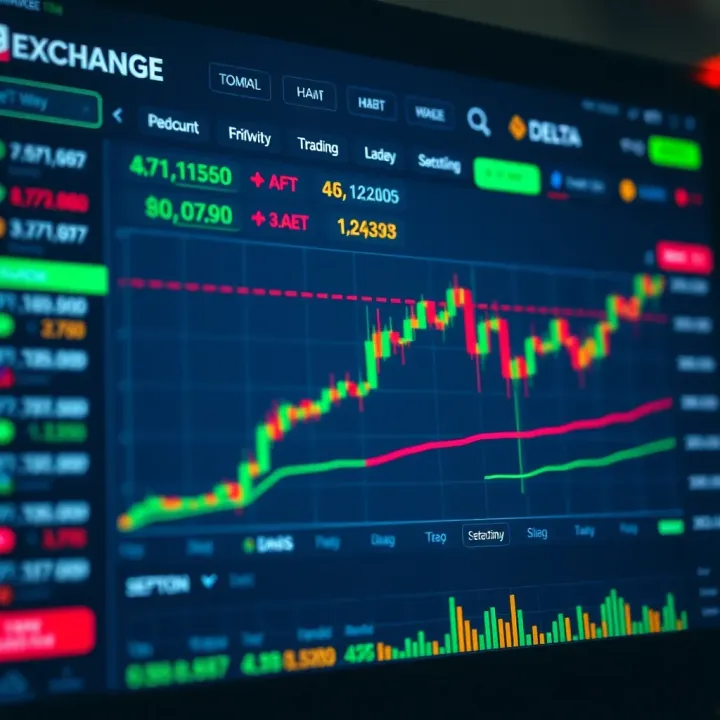
Understanding their features beyond surface-level comparisons matters. For example, Delta Exchange offers leveraged tokens targeting volatility traders, while Binance provides a wider asset selection including several Indian cryptocurrency pairs.
When comparing fees, security, and user experience, the choice often boils down to your trading style and risk appetite.
For Indian traders, transaction costs and withdrawal ease are crucial. Binance uses a tiered fee structure based on trading volume and BNB holdings, often making it cheaper for high-volume users. Delta Exchange keeps fees straightforward, with competitive rates on futures but fewer spot options.
Security is another vital aspect. Both platforms employ two-factor authentication and cold wallet storage. However, Binance has faced regulatory scrutiny globally, which may affect Indian traders depending on evolving rules by SEBI or RBI.
In terms of user experience, Delta Exchange’s interface is tailored more for professional traders comfortable with derivatives, while Binance offers intuitive apps fitting beginners and experts alike.
Next sections will cover detailed comparisons of trading options, security protocols, fee structures, and customer support to help you pick the crypto platform that fits your needs best.
Understanding the basics of Delta Exchange and Binance helps traders and investors make informed choices suited to their crypto trading goals. This section sets the stage by exploring their origins, market reach, and significance in India’s growing digital asset space. Grasping their background and popularity offers insight into how these platforms serve varied user needs.
Delta Exchange started around 2018 with a focus primarily on cryptocurrency derivatives, such as futures and options. It quickly positioned itself as a niche platform for traders interested in leveraged products. By offering innovative instruments like tokenised stocks and expiry options, it caters mostly to experienced traders who prefer advanced trading strategies.
On the other hand, Binance, founded in 2017, is overall the world’s largest crypto exchange by volume. It offers a broad spectrum of cryptocurrencies, spot trading, futures, lending, and even NFT marketplaces. Binance rapidly expanded across countries, including India, becoming a one-stop platform for beginners to seasoned investors. Its extensive ecosystem and frequent product launches give it an edge.
Both platforms emphasise innovation but serve different scales and trader profiles. Delta Exchange remains more specialised, while Binance aims for a comprehensive crypto service offering.
In India, Binance commands a massive user base — reportedly millions of Indian traders use it regularly. Its user-friendly app, multiple payment integrations like UPI and net banking, and active marketing during Indian festivals boost its appeal. Retail investors dip into spot markets for coins like Bitcoin and Ethereum, while day traders utilise Binance Futures for leveraged bets.
Delta Exchange, though smaller, is gaining traction among serious Indian crypto derivatives traders. It appeals to those who want tools like perpetual contracts and exotic derivatives without high fees. Its interface might seem less flashy, but it offers performance and specific products that certain advanced traders prefer.
For Indian traders, the choice often boils down to whether they want all-in-one convenience or specialised derivative trading options.
To sum up, knowing their backgrounds and how widely they are used in India helps you pick the right platform. Whether you want access to diverse assets on Binance or focused derivative markets on Delta Exchange, this overview highlights the first steps in your decision-making process.
When choosing between Delta Exchange and Binance, understanding their trading features and product offerings helps you pick the right platform. This aspect directly impacts your trading opportunities, flexibility, and potential profits.

Binance supports a vast array of cryptocurrencies, exceeding 500 tokens, including popular ones like Bitcoin (BTC), Ethereum (ETH), and Ripple (XRP). This wide range lets traders explore diverse portfolios. On the other hand, Delta Exchange offers fewer cryptocurrencies, focusing primarily on derivatives such as futures and options for major coins like Bitcoin and Ethereum. If you want extensive altcoin options, Binance is better suited; but if derivatives trading is your priority, Delta Exchange specialises in this niche.
Spot trading involves buying and selling actual cryptocurrencies, where you own the assets. Binance provides a robust spot market with real-time order books and high liquidity, suitable for Indian traders interested in holding coins long-term or day trading. Delta Exchange leans more towards derivatives trading — contracts based on cryptocurrency prices without owning the asset. Derivatives on Delta let traders speculate on price movements using futures and options, which can be complex but powerful for hedging or short-term strategies.
Derivatives trading requires deeper understanding and carries higher risk but offers tools for hedging and leverage rarely found on traditional spot platforms.
Leverage lets you control a larger trading position with a smaller amount of capital. Binance offers leverage up to 20x on futures contracts, whereas Delta Exchange provides higher leverage options, sometimes up to 100x for selected products. This can boost returns but also magnify losses, so only experienced traders should use high leverage cautiously.
Both platforms require margin (collateral) to open leveraged positions, but their margin rules differ. Binance’s tiered margin system adjusts requirements based on position size, while Delta Exchange offers flexible margin options tailored to specific derivatives.
Choosing between Delta Exchange and Binance depends on whether you seek a broad crypto inventory and accessible spot trading or specialised derivatives trading with advanced leverage. Indian traders should weigh their risk tolerance, trading experience, and investment goals carefully before picking one.
Security and regulatory compliance form the backbone of trust in any cryptocurrency exchange. For Indian traders, these aspects go beyond mere technical jargon — they directly impact the safety of their investments and adherence to Indian law. Both Delta Exchange and Binance offer security measures and comply with regulatory standards, but their approaches and legal standings differ notably.
Protecting user funds is the first priority of any crypto platform given the frequent risks of hacking and fraud. Binance uses a Secure Asset Fund for Users (SAFU), an emergency insurance fund that covers losses if Binance’s own security is breached. It also holds the majority of user cryptocurrencies in cold wallets—offline storage that hackers cannot easily access. Delta Exchange similarly maintains a vast majority of funds in cold wallets and uses multi-signature wallets requiring multiple approvals for withdrawals, reducing theft risks.
Beyond storage, both platforms employ two-factor authentication (2FA) and encryption protocols to secure accounts. For Indian users, this means their funds get multiple layers of protection, though no system can guarantee absolute safety. Still, Binance’s global scale allows it to allocate greater resources to security infrastructure.
Know Your Customer (KYC) and Anti-Money Laundering (AML) policies safeguard platforms from being misused for illegal activities like money laundering or terrorist financing. Both Delta Exchange and Binance require KYC verification for Indian customers, involving PAN card and Aadhaar authentication.
Binance offers tiered verification; for larger withdrawal limits, Indian users must submit detailed documents including proof of address and source of funds. Delta Exchange, too, mandates thorough identity checks, adhering to Reserve Bank of India (RBI) guidelines. These steps, while sometimes tedious, help ensure a safer trading environment.
Cryptocurrency regulation in India remains in flux. The government has expressed concerns yet has not banned trading outright. Binance operates globally but does not hold an official licence from Indian regulators, which occasionally raises doubts among Indian investors about its legal footing.
Delta Exchange is registered in Seychelles and India but follows RBI and Securities and Exchange Board of India (SEBI) regulations more closely, reflecting in its stringent compliance policies. Its adherence to tax reporting norms and transparent user data handling appeal to cautious traders.
Given the evolving legal landscape, Indian users must stay updated on RBI notifications and SEBI guidelines when choosing their crypto platform.
In summary, while both Binance and Delta Exchange apply robust security and compliance frameworks, their legal status and operational transparency in India differ. Traders seeking global exposure might prefer Binance’s vast ecosystem but should weigh regulatory uncertainties. Conservative investors valuing clear compliance find Delta Exchange a safer pick in India’s current environment.
Understanding fee structures and transaction costs is essential for any trader aiming to maximise returns on crypto platforms like Delta Exchange and Binance. These charges directly impact your profitability, especially if you trade frequently or deal with large volumes. Small differences in fees can add up to significant sums over time, making it important to assess which platform suits your trading style and budget.
Both Delta Exchange and Binance use a maker-taker fee model, but the specifics vary. A maker is someone who adds liquidity to the market by placing limit orders that don't execute immediately, while a taker removes liquidity by executing existing orders. Generally, makers enjoy lower fees as they help maintain market depth.
For instance, Binance charges between 0.1% to 0.04% on trades depending on your trading volume and whether you use their native Binance Coin (BNB) to pay fees. Delta Exchange’s fees typically range around 0.05% to 0.1% for takers and are lower for makers. Thus, if you prefer placing limit orders, you save more on Delta Exchange, but for fast market orders, Binance offers competitive rates, especially with BNB discounts.
Deposit fees commonly are zero on both platforms, which benefits Indian users looking to move funds often. However, withdrawal charges can be a crucial factor. Binance’s withdrawal fees depend on the cryptocurrency. For example, withdrawing Bitcoin currently costs a flat fee of around 0.0005 BTC. Delta Exchange usually charges a set fee of about 0.0004 BTC for Bitcoin withdrawals.
Also note the network congestion can influence transaction time and miner fees, but the platforms' own charges remain fixed. For INR deposits and withdrawals via UPI or bank transfers, Binance offers zero charges, while Delta Exchange might rely on external wallets where bank fees could apply. Always consider these when planning funds movement.
Specifically for Indian traders, Binance’s lower withdrawal fees plus the option to use BNB for trading discounts make it more cost-effective for high-frequency traders. Meanwhile, Delta Exchange’s slightly lower maker fees favour users who prefer setting orders at specific prices, typically seen in derivatives traders.
Moreover, Binance’s support for UPI deposits without charges means easier and cheaper fund transfers for Indian users. Delta Exchange, on the other hand, might require using crypto transfers from another wallet, potentially adding transfer charges and wait time.
Considering your trading volume, order types, and preferred payment methods help you select the platform with the right fee structure. For instance, if you trade derivatives using limit orders, Delta Exchange may save you money, but for regular spot trading with frequent deposits and withdrawals, Binance could be better suited.
In summary, evaluate the fee components alongside your trading habits to find the platform that offers the best value for your individual needs.
User experience and platform accessibility are vital when choosing a crypto trading platform. Both impact how efficiently you can navigate the system, execute trades, and manage your investments. For traders and investors, especially in India’s fast-evolving crypto market, smooth access and intuitive design save time and reduce errors, which directly affect returns.
A simple, clean interface helps users focus on trading without getting lost in menus. Binance offers a well-organised layout with different modes—the simple basic view for beginners and an advanced one for experienced traders. It clearly displays real-time prices, order books, and charts, making decision-making quicker. Delta Exchange also presents a neat dashboard, but its interface targets derivatives traders more. It has efficient tab-based navigation, but some beginner users might find it a bit technical at first. For example, Binance's drag-and-drop chart tools make customisation easy, something Delta’s platform lacks.
Mobile access has become a must for crypto trading, given India's smartphone penetration. Binance’s mobile app supports Android and iOS and scores high for speed, stability, and features including instant deposits via UPI. It lets users trade spot, futures, and use margin trading all from the app itself. Delta Exchange mobile app covers major derivative products and supports popular devices but has fewer user ratings and occasionally reports on slower response times compared to Binance. For traders on the go, Binance’s faster app might better suit needs during volatile market swings.
Reliable customer support builds trust, especially during issues like withdrawal delays or security concerns. Binance provides 24/7 multilingual chat support and an extensive FAQ tailored for Indian users. Its active online community on platforms like Telegram and Twitter offers quick tips and updates. Delta Exchange support generally works well though it relies more on email queries with longer response times. However, it maintains a professional approach with detailed guides for derivatives trading but lacks a strong social media presence compared to Binance.
A platform’s ease of use and quick support matter as much as fees or product range—fast help can make a difference in volatile markets.
In sum, Binance clearly leads on user-friendly design, mobile app performance, and customer engagement, making it suitable for a broad range of traders. Delta Exchange suits those focused on derivatives and who are comfortable with more specialised tools, though users might face steeper learning. Choosing between them depends on how much you value intuitive features and immediate support against niche trading capabilities.
Find the best trading platform 🌐 tailored for your needs: reviews on usability, security, fees, tools & strengths that match both beginners and experts in financial markets.

Explore Qutex Trade's platform features, market stance, trading options, security, and user experience for informed trading decisions 🔒📈💼

Explore Bitcoin Prime’s trading platform 🚀, learn its features, user interface, benefits, risks, and compare with other crypto tools to decide its fit for your investments.

Explore Quotex trading platform features, account types, payment methods, security & tips tailored for Indian traders 🇮🇳 Gain smart online investment insights!
Based on 15 reviews