

How to Apply for a Passport in India
📄 Learn how to apply for an Indian passport with ease! Check eligibility, gather documents, complete steps, understand fees, and get useful tips for a hassle-free process.
Edited By
Charlotte Davies
Electric vehicle (EV) batteries form the heart of every EV, determining not just its range but also performance, lifespan, and overall cost of ownership. For investors and financial analysts watching the EV market grow in India, understanding the types, chemistry, and behaviour of these batteries provides a clearer picture of the sector's future.
Currently, lithium-ion batteries dominate the market due to their high energy density and falling costs. They consist of a cathode, anode, electrolyte, and separator, with varying chemistries like lithium iron phosphate (LFP) and nickel manganese cobalt (NMC) offering trade-offs between cost, energy density, and safety. For instance, LFP batteries are more stable and less expensive, making them popular in India’s budget EV segment, while NMC batteries provide longer range but at higher cost.

Battery performance depends heavily on factors such as temperature, charge cycles, and depth of discharge — all influencing efficiency and degradation rates.
Understanding these factors is key for traders and investors as battery quality directly impacts resale value and warranty costs. Growing concerns over battery recycling and second-life applications also factor into a company’s environmental commitments and long-term liabilities.
Indian EV makers like Tata Motors and Mahindra are increasingly investing in advanced battery tech to improve range and reduce charging times, signalling a shift towards more durable and efficient solutions.
This section sets the stage for grasping how EV batteries shape market trends and investment decisions. It aims to offer a grounded, practical introduction to the battery technologies influencing India’s accelerating EV transition.
In the EV market, knowing about battery types is critical. The battery doesn't just power the vehicle; it largely determines driving range, charging times, and overall cost. For investors and analysts, this understanding helps assess the potential of different EV models and manufacturers, especially as battery tech rapidly evolves.
Lithium-ion Batteries are the most widespread in modern EVs. They offer high energy density, meaning they store a lot of power relative to their size, which is why brands like Tata Motors and Tata Nexon EV use them. These batteries provide better range and quicker charging compared to older types. Their chemistry varies (like lithium iron phosphate or nickel cobalt manganese), affecting cost and safety. For traders, recognising which chemistry a vehicle uses offers clues to its price and performance in India’s diverse climates.
Nickel-Metal Hydride (NiMH) Batteries saw popularity before lithium-ion took over. They’re more stable and safer but have lower energy densities. Toyota’s earlier hybrids, like the Prius, used NiMH batteries. Their usage in pure EVs is declining due to heavier weight and shorter range, but for hybrid models common in India, NiMH still plays a role. Analysts evaluating hybrid EVs should note this chemistry's impact on durability and lifecycle costs.
Solid-State Batteries are emerging as the next step. They replace the liquid electrolyte with a solid one, improving safety and energy density. Although they are not yet common in India’s EV market, companies worldwide, including some Indian startups, are exploring solid-state technology. These batteries promise faster charging and longer lifespans but price and mass production remain challenges. Investors keeping an eye on breakthrough tech would benefit by tracking solid-state developments.
Energy Density matters because it directly relates to vehicle range. Lithium-ion batteries typically offer 150-250 Wh/kg, whereas NiMH sits around 60-120 Wh/kg. Solid-state systems aim higher, potentially exceeding 300 Wh/kg. For Indian EV users covering long distances or facing erratic power supply, energy density affects how far they can travel before recharging, influencing consumer preference and thus market performance.
Charging Speed influences usability. Lithium-ion batteries generally support fast charging — some capable of reaching 80% in under an hour. NiMH batteries charge slower, which restricts their use in pure EVs. Solid-state promises even faster charging without degradation. This factor affects fleet operators and delivery services in India, for whom quick turnaround times mean better economics.
Cost Considerations cannot be ignored. Lithium-ion batteries have become more affordable, but prices still hover around ₹10,000-15,000 per kWh, strongly influencing vehicle pricing. NiMH batteries tend to be cheaper initially but less energy-efficient, making them costlier over time. Solid-state batteries, being new, are expensive and suited mostly for premium EVs or niche markets. For financial analysts, understanding these cost dynamics explains margin pressure and guides investment choices in EV manufacturers.
Understanding the specific battery type equips stakeholders with insights about performance, costs, and future potential, crucial for making informed decisions in India’s growing EV sector.
This knowledge shines light on the practical aspects of EVs and helps anticipate technology adoption curves, pricing trends, and infrastructure needs in investing or advising roles.
Understanding the construction and key components of electric vehicle (EV) batteries is essential for investors and analysts eyeing the sector. The battery's design directly impacts performance, safety, cost, and longevity — factors that influence a company’s valuation and market potential.
EV batteries are built by assembling multiple cells into modules, which then form a complete battery pack. Each cell is like a small container holding the active materials where chemical reactions occur to store and release energy. Cells are grouped into modules to simplify manufacturing and maintenance.
For example, a Tata Nexon EV uses hundreds of individual lithium-ion cells divided into modules for easier thermal control and replacement if needed. The entire battery pack integrates these modules along with cooling systems and protective hardware, making sure energy delivery is stable and safe during driving.
Complementing this physical assembly is the Battery Management System (BMS), which monitors and manages the battery pack’s health. The BMS measures parameters such as voltage, current, and temperature in each cell, balancing charge and discharge cycles to prevent damage. For investors, a sophisticated BMS means better battery reliability and longer life, thereby reducing warranty costs and enhancing consumer confidence.
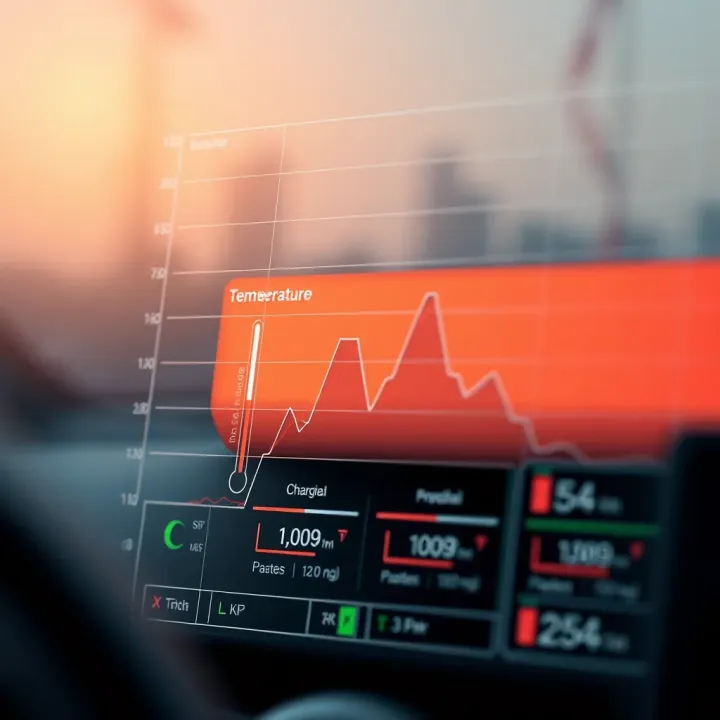
Beyond safety, the BMS also allows EV makers to optimise energy use, supporting features like fast charging and regenerative braking more effectively. Mahindra Electric, for instance, invests heavily in BMS tech to ensure their battery packs maintain performance across diverse Indian climates, from Chennai’s humidity to Delhi’s extreme heat.
The choice of cathodes, anodes, and electrolytes defines a battery’s characteristics. Cathodes typically use materials like lithium nickel manganese cobalt oxide (NMC), which offer good energy density and lifespan. Anodes commonly employ graphite, though silicon-based anodes are gaining interest for higher capacity.
The electrolyte acts as a medium for lithium ions to move between electrodes during charge and discharge. Liquid electrolytes are standard now, but solid-state electrolytes promise better safety and higher energy density in future models.
For financial analysts, understanding these materials helps assess supply chain risks and raw material costs. For example, cobalt prices have fluctuated due to geopolitical factors affecting mining regions, impacting battery costs. Companies focusing on low-cobalt or cobalt-free cathodes could have an edge in sustainability and cost containment.
Investing in firms that innovate in battery materials and BMS technology stands to gain as India moves towards electrification, driven by government policies and growing consumer demand.
In sum, battery construction and materials shape not only EV performance but also long-term business viability. Keeping an eye on advancements here provides a clearer picture of industry trends and investment opportunities.
Understanding the factors that influence battery performance and lifespan is essential for investors and analysts tracking the electric vehicle (EV) sector. These factors directly affect the total cost of ownership and resale value of EVs, which in turn influence market dynamics and investment decisions. To make informed assessments, one must be aware of how operating conditions impact battery behaviour over time.
EV batteries work best within a certain temperature band, usually between 20°C and 40°C. Temperature extremes, especially heat, accelerate the chemical reactions inside lithium-ion cells, which leads to faster wear and potential safety risks. For example, without effective cooling, batteries in Indian cities like Chennai or Hyderabad can suffer from accelerated degradation during summer months. Hence, advanced thermal management systems, such as liquid cooling or phase change materials, are fitted in modern EVs to maintain an optimal temperature and protect battery health.
An efficient thermal management system isn't just about protecting the battery; it also improves charging speed and overall vehicle performance. If the battery overheats during fast charging, the system slows down the current to prevent damage, causing longer charge times.
Overcharging occurs when a battery is charged beyond its safe voltage limit, while deep discharging happens when the battery drains below its recommended voltage threshold. Both situations strain the battery chemistry and can cause irreversible damage.
In practice, Indian EVs with poor charging infrastructure might face irregular charging cycles. Frequent overcharging, typical in unregulated charging stations, can reduce the battery’s lifespan significantly. Similarly, if a vehicle owner regularly allows the battery to drain completely — perhaps during long trips in tier-2 or tier-3 cities with sparse charging points — deep discharging accelerates capacity loss and may lead to sudden battery failure. Smart Battery Management Systems (BMS) now help prevent these extremes by cutting off charging or alerting users when voltage levels are unsafe.
Capacity fade refers to the gradual loss of a battery’s ability to hold charge. Over months and years, a new EV battery that initially gave a range of 400 km might drop to 320 km or lower. This reduction impacts how frequently the vehicle needs charging, influencing user convenience and operating costs.
Capacity fade happens due to chemical changes inside the battery, such as loss of active lithium or electrode degradation. For financial analysts, tracking the rate of capacity fade helps predict vehicle depreciation and replacement cycles, which affects valuation and aftermarket trading.
Another key degradation factor is the rise in a battery’s internal resistance. Higher resistance means the battery wastes more energy as heat during charging and discharging. This reduces the efficiency of energy conversion, leading to slower acceleration and poorer overall performance.
From the investor’s perspective, increasing internal resistance signals upcoming battery replacements or warranty claims, which can impact automakers’ cost structures. For EV users, it’s a sign to watch for declining performance even if the nominal battery capacity appears fine.
Regular monitoring of operating conditions and battery metrics can enable better forecasting of battery lifespan and help stakeholders make strategic maintenance and investment decisions.
Keeping your electric vehicle (EV) battery in good shape is vital for ensuring long-term efficiency and value. For traders, investors, and analysts, understanding how battery health affects vehicle performance and lifespan can inform smarter decisions about the EV market. Poor battery health can lead to faster degradation, reduced driving range, and costly replacements, which ultimately affect resale value and operating costs.
Charging Habits are a major factor in battery health. Avoiding extreme states of charge, such as always charging to 100% or letting the battery drain completely, helps prolong battery life. Most EV manufacturers recommend charging up to around 80-90% for daily use and reserving full charges for longer trips. For instance, Tata Nexon EV’s user manual advises this to maintain battery efficiency. Fast charging regularly can also raise battery temperature, accelerating degradation, so it’s best to reserve quick charges for when you really need them.
Storage Recommendations become important when the EV is not used for extended periods. Storing the vehicle with a moderate state of charge—around 50%—and in a cool, shaded place helps prevent chemical breakdown within the battery cells. Heat speeds up chemical reactions that degrade battery materials, so parking in direct sunlight during hot Indian summers could harm battery longevity. For dealers holding stock or customers planning long-term storage, following these tips avoids unnecessary capacity loss.
Performance Indicators like reduced driving range, slower acceleration, and longer charging times signal battery wear. For example, if a Mahindra eKUV100 starts giving significantly fewer kilometres per charge than when new, it may be time to check battery health. Monitoring software often provides a state of health (SOH) metric; when it drops below 70-75%, battery replacement might be necessary to maintain reliable performance.
Safety Concerns also warrant attention. Swelling of the battery pack, unusual smells, persistent overheating, or sudden shutdowns are red flags. These issues can arise from internal faults or damage and may cause safety hazards like fire or short circuits. Regular servicing with authorised centres, such as those of Hyundai or MG Motor India, is crucial since they can detect early warning signs and advise on replacements or repairs.
Regular care and timely identification of battery issues not only extend battery life but also safeguard your investment and ensure smooth EV ownership.
By grasping these maintenance tips and signs, stakeholders can better assess EV viability and forecast market shifts based on battery health trends.
The electric vehicle (EV) sector has seen rapid advances in battery technology, which directly influence vehicle performance, range, cost, and sustainability. Staying updated on recent developments is important for traders and investors to identify promising innovations and assess market trends. This section highlights key breakthroughs in battery chemistry and design, alongside evolving practices in recycling and environmental responsibility that impact the broader EV ecosystem.
Solid-state batteries are replacing liquid electrolytes with solid materials, which greatly improve safety and energy density. This shift means batteries can store more energy in a smaller space and reduce the chance of fires—a concern with lithium-ion cells. Companies worldwide, including some Indian startups, are actively working on this technology. While full-scale commercialisation is still a few years away, solid-state batteries could extend EV range substantially and bring down long-term maintenance costs.
Beyond solid-state, researchers are exploring lithium-sulphur and sodium-ion batteries as potential alternatives. Lithium-sulphur promises higher capacity at lower cost, although durability remains a challenge. Sodium-ion batteries, using abundant sodium ions, offer a cheaper option that might suit entry-level EVs in cost-sensitive markets like India.
Fast-charging is crucial for EV adoption, especially in urban areas where quick turnarounds matter. Advances in battery chemistries and charging infrastructure now allow EVs to gain up to 80% charge in about 20–30 minutes, reducing range anxiety. Indian companies and charging service providers are increasingly rolling out fast-charging stations compatible with diverse EV models.
Battery manufacturers are also integrating thermal management systems to handle the heat generated during rapid charging. Improved battery management systems (BMS) help optimise charge cycles, prolonging battery life despite faster charging. For traders and investors, fast-charging technology signals a growing market for associated hardware and services.
India is evolving its battery recycling landscape to manage rising volumes of spent EV batteries. Traditional smelting and pyrometallurgical methods dominate but pose environmental concerns due to emissions. Hydro-metallurgical and direct recycling methods are gaining attention as cleaner and more efficient alternatives.
Government regulations and private initiatives are encouraging formal collection and recycling networks. For example, authorised recyclers in cities like Bengaluru and Pune actively process lithium-ion cells, recovering valuable metals like lithium, cobalt, and nickel. This reduces import dependence and raw material costs while mitigating pollution risks.
Addressing the entire life cycle of EV batteries—from raw material extraction to disposal—is key to lowering environmental impact. Using sustainably sourced materials, promoting battery reuse (second life applications), and integrating modular designs for easy repair help reduce waste.
Energy-efficient manufacturing processes and renewable power integration during battery production are increasingly adopted by manufacturers. These efforts align with India’s broader climate goals and appeal to eco-conscious investors prioritising sustainable technologies.
The way EV batteries are designed, charged, and recycled will define their economic viability and environmental footprint in India’s fast-growing market.
In sum, advances in battery technology and recycling are reshaping the EV industry, creating fresh opportunities while addressing sustainability challenges. Keeping an eye on these trends helps stakeholders make informed decisions about investments and developments in this vital sector.
📄 Learn how to apply for an Indian passport with ease! Check eligibility, gather documents, complete steps, understand fees, and get useful tips for a hassle-free process.

Learn how to easily register on Quotex 📈 with our step-by-step guide, covering account creation, verification, tips, and solutions for Indian users 🇮🇳!

Discover how to pick the best binary trading app for Indian traders📱. Compare security, user experience, and regulations to trade safely and confidently📊.

Explore Exness in India: learn about its trading platforms, account types, regulations, and fees. Get tips on safe forex and CFD trading for Indian traders 🇮🇳📈
Based on 11 reviews