
Forex Trading Sessions and Timings in India
Understand forex trading sessions and their timings in IST 📈. Learn how Indian traders can spot the best trading hours, session traits, and strategies to boost profits.
Edited By
Ethan Bennett
The forex (foreign exchange) market is the largest and most liquid financial market in the world, operating 24 hours a day across different time zones. For traders in India, understanding the forex market opening time is essential to make informed decisions and place trades during the most active periods.
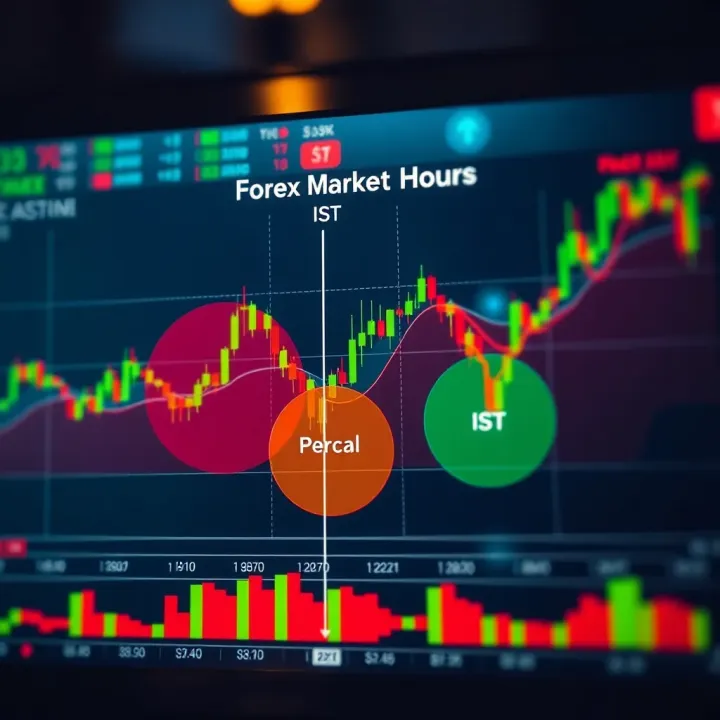
Trading hours are split into four main global sessions: Sydney, Tokyo, London, and New York. Each session has its own starting and closing times, which shift into Indian Standard Time (IST) differently throughout the year due to daylight saving changes abroad.
Here’s why knowing these timings matters:
Liquidity and volatility vary across sessions: The London session, for example, tends to be the busiest, offering tight spreads and more price movements.
Overlap periods between sessions create the best trading opportunities: When London and New York sessions overlap, the market sees increased activity, suitable for traders seeking quicker price swings.
Currency pairs move differently based on session: Pairs like GBP/USD or EUR/USD are more volatile during the London and New York hours, while AUD/USD and USD/JPY react strongly in Sydney and Tokyo sessions.
Understanding forex market hours in IST allows Indian traders to schedule their trading activities effectively, avoiding periods of low liquidity or high spreads.
Also, traders should consider Indian public holidays and the impact of global holidays on forex market operations since trading volumes can drop significantly, leading to unpredictable price changes.
This article will detail the forex market opening times in India, highlight key overlaps, popular currency pairs among Indian traders, and factors like holidays that influence trading. With this knowledge, you can tailor your trading strategy to perform better in the fast-moving forex environment.
Understanding the forex market forms the backbone of successful forex trading, especially for Indian traders keen on optimising their strategies. This overview lays out the basics to help you grasp what forex trading involves and how this vast market operates globally. Without this foundation, it’s difficult to make smart decisions on when and how to trade.
Forex trading is essentially the buying and selling of currencies. Traders speculate on the changing values of currency pairs, aiming to profit from fluctuations in exchange rates. Unlike stock markets, forex trading deals with decentralised currencies, meaning there's no single exchange that controls the market. For example, an Indian trader might buy the USD/INR pair expecting the rupee to weaken against the dollar.
One practical benefit of forex trading is its high liquidity and 24-hour availability, which allows Indian traders to enter or exit positions almost any time. However, currency values are influenced by various factors like economic indicators, geopolitical events, and interest rates. Hence, traders must stay updated with global news and India’s own financial health indicators like RBI’s policy decisions.
The forex market operates as a network of banks, brokers, financial institutions, and individual traders spread across different time zones. This creates a market that is open 24 hours on weekdays, cycling across four major trading hubs: Sydney, Tokyo, London, and New York.
Each region’s session reflects local market activity and currency focus. For instance, the Asian session mostly sees trading in pairs involving the Japanese yen, Australian dollar, and Indian rupee. The London session leads in volume, especially for the euro and British pound. Indian traders must track these global sessions translated into Indian Standard Time (IST) to time their trades effectively.
The decentralised and continuous nature of forex trading means that understanding when markets open and close worldwide translates directly into strategic advantages and better risk management.
To sum up, grasping what forex trading is and how the market operates globally offers Indian traders a clear picture of when to trade and which currency pairs to favour. This knowledge forms the basis for the detailed exploration of forex market hours and best trading windows covered in the next sections.
Grasping forex market hours is essential for traders in India because it affects when they should actively engage in trading. Unlike stock markets, the forex market operates 24 hours across different global sessions, but the level of market activity and volatility varies throughout the day. Knowing the exact timing of these sessions in Indian Standard Time (IST) helps traders exploit opportunities while avoiding sluggish periods.
The Asian session starts with the Tokyo market, one of the major forex hubs, opening around 6:30 am IST and runs till about 2:30 pm IST. This session often experiences lower volatility than others but sets the tone for currency pairs like USD/JPY and AUD/USD. Traders focusing on the Indian Rupee (INR) may also find the Asian session useful for trading since some Asia-Pacific markets overlap.
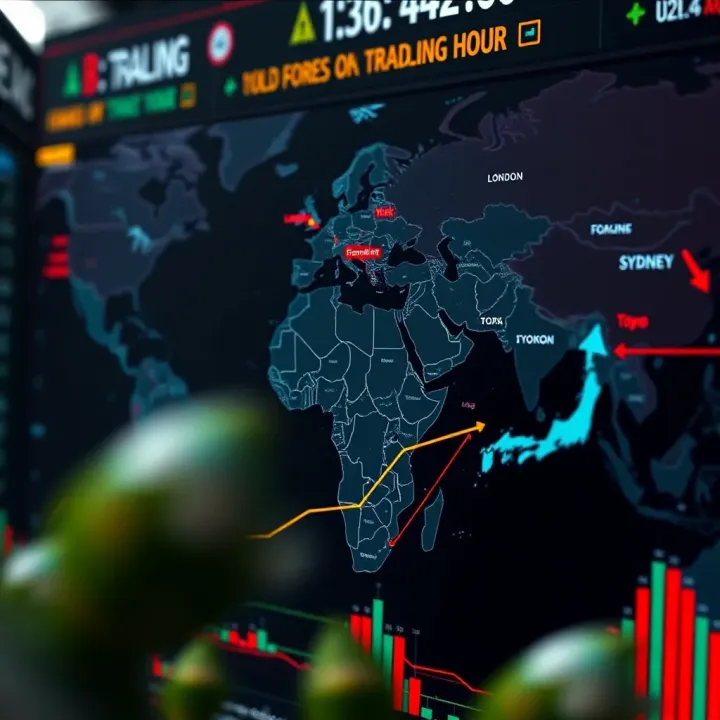
The European session kicks off with London, opening at 12:30 pm IST and closing around 9 pm IST. This is the most volatile session because it covers major financial centres. Currency pairs involving the Euro (EUR), British Pound (GBP), and Swiss Franc (CHF) see high activity now. Indian traders should especially watch the first few hours after London opens, as market movements can be sharp and liquidity is high.
The American session runs from 6:30 pm IST to 3:30 am IST. It starts with the New York market and often brings significant volatility, particularly in USD-related currency pairs like USD/INR, USD/CAD, or EUR/USD. This session overlaps briefly with the European one, creating prime trading periods. For Indian traders, the American session can be challenging due to timings but remains critical for those following global economic news.
Converting global forex timings to IST makes it easier for Indian traders to plan their trades without confusion. The Asian session runs roughly from 6:30 am to 2:30 pm IST, European session from 12:30 pm to 9 pm IST, and American session from 6:30 pm to 3:30 am IST. These timings are approximate because forex markets observe daylight saving changes in some countries, shifting session times.
The forex market never really closes but moves through these sessions one after the other, creating a continuous 24-hour cycle. Indian traders can decide to focus on sessions that align with their availability and trading style. For example, someone working a 9 to 5 job may prefer the Asian session, while full-time traders might leverage the European and American sessions’ volatility. Monitoring these cycles helps optimise trading strategies and avoids times when liquidity is low.
Understanding the forex market hours in IST is key for managing risk and spotting the best trading opportunities aligned with India’s time zone.
Understanding the best times to trade forex from India can greatly improve your chances of capitalising on market volatility and liquidity. Forex market sessions based across different time zones overlap for limited durations, creating windows when trading activity spikes. Indian traders who tailor their activities around these peak hours can access tighter spreads, better price movements, and more trading opportunities.
The overlap between the Asian and European forex sessions occurs roughly between 2:30 pm and 4:30 pm Indian Standard Time (IST). During these few hours, the Tokyo and London markets operate simultaneously, increasing market liquidity. For Indian traders, this means more active price movements in currency pairs like EUR/JPY or GBP/JPY, which are popular cross-currency pairs during this phase. The combination of Asian market momentum and European demand often triggers volatility that skilled traders can exploit.
For example, if the Bank of Japan makes a policy announcement around this time and the London traders react, Indian traders might see rapid price shifts in yen pairs. Being alert during this overlap allows for better entry and exit points, helping you avoid slippage or poor fills that occur in less liquid hours.
Between 7:30 pm and 10:30 pm IST, the European and American trading sessions intersect, covering both the London and New York markets. This overlap is often the most volatile and active period in the forex market. Major currency pairs involving USD, EUR, GBP, and even emerging market currencies experience higher volumes and stronger trends.
This timeframe suits Indian traders who prefer to trade after traditional business hours and are looking for larger market moves. For instance, US economic data releases often fall during this overlap, stirring significant fluctuations in USD pairs such as EUR/USD or USD/INR derivatives offered by brokers. The overlap hence offers more trading opportunities but demands vigilance as price swings can be swift and wide-ranging.
For Indian forex traders, the ideal trading window aligns with these overlap periods thanks to increased liquidity and volatility. Trading between approximately 2:30 pm to 4:30 pm IST and again from 7:30 pm to 10:30 pm IST captures the most active market phases. During these hours, spreads tend to narrow, and price action becomes clearer, allowing better trade execution.
However, timing depends on your trading style. Day traders and scalpers benefit most from these high liquidity hours, while swing traders may prefer to hold positions longer, including less active hours, if the broader trend supports it. It's wise to monitor economic calendars for important events since announcements impacting currencies can further heighten activity irrespective of session overlaps.
Focusing on these windows can enhance your forex trading strategy by combining favourable market conditions with your availability, helping you make better decisions and improve overall returns.
By syncing your trades with global session overlaps, you operate when the forex market is most responsive, increasing the probability of meaningful and profitable price movements.
Trading forex successfully in India requires more than just knowing the market hours. Several factors can shift when markets open or close and affect liquidity and volatility. Understanding these elements helps Indian traders avoid surprises and manage risk better.
Forex markets run 24 hours but aren’t always equally active. Public holidays significantly influence trading volumes. For instance, during Diwali or Holi, many Indian traders may reduce activity, and local brokerages might restrict operations. Globally, holidays like Christmas (25 December) or New Year’s Day (1 January) slow trading in the European and American sessions.
These holidays can lead to thinner markets, which may increase spreads or cause unusual price moves. For example, low volume during US Independence Day (4 July) often affects USD pairs, causing irregular price swings that are not easy to predict.
Indian traders should check both local and international holiday calendars before planning trades. This helps avoid periods when market liquidity dips and spreads widen, saving costs and reducing risk of poor trade execution.
Unlike India, the US and Europe apply daylight saving time (DST), usually changing clocks forward or backward by an hour. These shifts alter the timing of major forex sessions in Indian Standard Time (IST).
For example, when India stays at UTC+5:30 year-round but the US moves clocks forward, the usual New York session opening time shifts relative to IST. Traders who don’t consider this might misjudge market overlaps and miss key trading opportunities.
This variation lasts for several months every year and can be confusing. To adapt, Indian forex traders should update their trading schedules twice yearly according to DST changes in major forex centres like London and New York.
Staying aware of holiday schedules and daylight saving changes helps Indian traders time their trades better, avoid low activity periods, and capitalise on peak market liquidity.
These factors, combined with regular market hours, influence when and how Indian traders should engage with forex markets for best results.
Indian traders must focus on practical strategies to make the most of forex market hours. Knowing when and how to trade can lead to better decision-making and profit potential. Practical tips offer clear methods to optimise trading activities by aligning them with market rhythms, currency volatility, and available tools.
Selecting currency pairs that are actively traded during specific sessions helps Indian traders capture useful price movements. For example, the Indian rupee (INR) paired with the US dollar (USD/INR) tends to be more active during the Asian session (5:30 am to 1:30 pm IST), coinciding with major market openings in Mumbai and Singapore. Besides INR pairs, major pairs like EUR/USD and GBP/USD show higher liquidity during the European and American sessions (2:30 pm to 11:30 pm IST), so traders focusing on these pairs should plan their trading around these hours.
It’s also smart to watch currency pairs involving the Japanese yen (JPY), Australian dollar (AUD), and New Zealand dollar (NZD) during their respective market hours. For example, the AUD/USD pair often sees increased volatility during the overlap of the Asian and European sessions, roughly between 7 am and 10 am IST. Thus, aligning your currency pair choices with session timings prevents you from trading dead time when volumes are low and spreads widen.
Using a reliable forex trading platform with built-in session indicators can simplify monitoring market hours. Platforms like MetaTrader 4, MetaTrader 5, or TradingView let you see global session times converted into Indian Standard Time, so you know exactly when the market opens or closes.
Many traders also use economic calendars for event tracking to avoid getting caught during volatile news releases. For example, an unexpected RBI policy announcement can affect INR pairs drastically, making timing even more critical. Some tools alert you before major news events, allowing you to adjust your trades accordingly.
Besides timing tools, charting software that highlights high volume periods helps spot the best trade entry points. Alerts for price movements and automated trading bots can also be configured to operate within preferred session timings. These tools ensure you stay informed without needing to watch screens constantly.
Aligning your choice of currency pairs with session timings and leveraging smart tools not only improves trade effectiveness but also reduces risks associated with low liquidity and unexpected events.
To sum up, practical tips like selecting session-friendly currency pairs and using technology to track market hours can make a real difference in trading outcomes. Indian forex traders who adapt to these strategies tend to stay ahead in an always-moving forex market.
Understand forex trading sessions and their timings in IST 📈. Learn how Indian traders can spot the best trading hours, session traits, and strategies to boost profits.

Discover the stories of the richest forex traders 💰, their unique strategies, and how their success shaped the world's forex market 🌏. Learn key lessons here!

🤝 Explore how RBI regulates forex brokers in India, spot approved brokers, and trade safely. Learn risks of unregulated firms & protect your investments.
Learn how Quotex withdrawal times work ⏳, check key steps, common problems, and tips for smooth payouts 💸, tailored for traders in India 🇮🇳.
Based on 9 reviews