
RBI Approved Trading Apps in India: A Complete Guide
Explore RBI approved trading apps in India 📱🔒 Learn how to verify app authenticity and understand key security features for safe trading.
Edited By
Grace Mitchell
Forex trading demo apps provide a practical way for beginners to experience currency trading without risking real money. These applications simulate actual market conditions using virtual funds, enabling users to practise strategies, understand market dynamics, and gain confidence before stepping into live trading.
Using a demo app is like learning to drive with a simulator rather than a real car; you make mistakes without costing yourself anything. For example, apps like MetaTrader 4 and 5 offer demo versions that mimic live forex markets, allowing users to execute trades, analyse charts, and test indicators under real-time data.
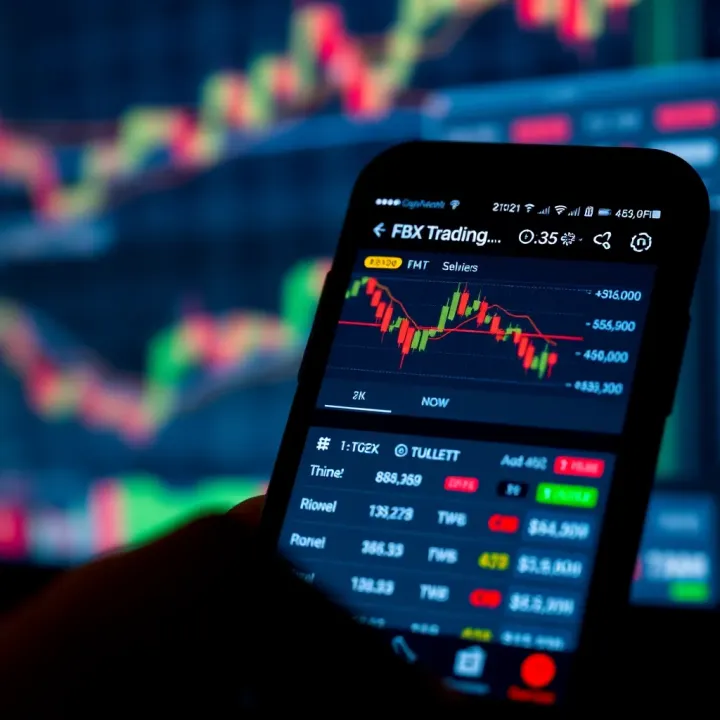
Demo trading lets you learn the mechanics of forex trading, understand how orders work, and experience price movements firsthand, all without financial exposure.
Key features commonly found in forex demo apps include:
Real-time currency prices: Accurate price feeds for major pairs like USD/INR, EUR/USD, and GBP/JPY.
Virtual balance: Starting capital, often ₹1 lakh or $10,000 in virtual money, to trade freely.
Charting tools: Advanced technical charts and indicators to analyse market trends.
Order types: Options like market orders, limit orders, and stop-loss to practise realistic trading.
The benefits of using a demo app extend beyond just familiarisation. With consistent practice, traders can improve decision-making skills and refine their strategies without stress. For instance, someone who tries scalping strategies on a demo app learns how quickly the market moves and can gauge risks better.
That said, it's important to treat demo trading seriously. Some traders may act carelessly since no real money is at stake. To gain genuine experience, use the demo app as you would real trading: follow trade plans, manage risk in virtual trades, and keep track of performance.
Choosing the right demo app involves considering factors like user interface, reliability of price data, the variety of available currency pairs, and compatibility with mobile or desktop devices. Some Indian brokers like Zerodha and ICICI Direct offer integrated demo platforms with localised support, which can be advantageous.
In summary, forex trading demo apps serve as the foundation for aspiring traders. They offer a controlled setting to understand the forex market's nuances and build a trading methodology before risking capital.
A forex trading demo app offers users a chance to experience currency trading without risking real money. It allows beginners and even seasoned traders to familiarise themselves with forex platforms and market behaviour in a simulated environment. This way, users can build necessary skills and confidence before entering live trading.
A forex demo app replicates a real trading environment using virtual funds. This simulation reflects current market prices, currency pairs, and trading scenarios, giving users a feel of actual forex trading. For instance, if the EUR/USD pair rises by 20 pips in the real market, the same change will appear on the demo app, allowing traders to react accordingly.
For new traders, demo apps serve as an entry point without financial exposure. They can practice opening orders, setting stop-loss or take-profit levels, and observe market movements over time. Someone new to trading might start with the USD/INR pair, tracking fluctuations and practicing trades until comfortable with market dynamics and terminology.
Demo apps also let traders test and refine trading strategies without risking capital. A trader considering a scalping strategy can trial it on the app during volatile market hours, analyse outcomes, and tweak their approach. This risk-free experimentation helps avoid costly mistakes when moving to a live account.
Good demo apps provide near real-time market data, capturing price movements and market sentiment as they happen. This means traders deal with up-to-date exchange rates and volatility similar to live markets. However, some minor delays or approximations might exist compared to actual market feeds.
Demo platforms mirror trading tools such as chart patterns, technical indicators, and order types like market, limit, and stop orders. For example, users can place a limit buy order on GBP/USD at a chosen price, track its execution, and view candlestick charts and Moving Averages. This hands-on practice familiarises traders with platform functions.
Despite close simulation, demo trading has some limitations. Notably, emotional pressure linked to real financial risk is absent, which affects decision-making. Also, factors like slippage, spreads widening during volatile periods, or partial order fills may be less accurately represented. Hence, transitioning from demo to live trading requires adjustment to these realities.
Using a forex demo app is a practical step to gain essential skills and understand the trading platform before committing real funds. It prepares traders for market behaviour and platform complexities while avoiding financial risk initially.
Forex trading demo apps have become essential tools for beginners and seasoned traders alike. They combine practical features that closely mimic live trading environments, helping users practise without risking real money. Understanding the key features of these apps is necessary for selecting the right one and making the most of demo trading.

Mobile and desktop availability ensures traders can access the app anytime, anywhere. For instance, a trader travelling between cities in India can quickly check the app on their mobile during commute and later analyse charts on a desktop at home. Apps like MetaTrader 4 or 5 offer both mobile and desktop versions, making this flexibility practical and convenient.
Ease of navigation is crucial since beginners need to find tools and information swiftly without confusion. Clear menus, labelled buttons, and simple layouts reduce the learning curve. An intuitive interface means less time struggling with technicalities and more time focusing on understanding market movements.
Customisable settings empower traders to tailor their experience to individual preferences. This can include adjusting chart time frames, colour schemes, and alert notifications. For example, a trader who prefers candlestick charts can set the app to display those by default. Such options increase engagement and help users develop trading styles effectively.
Price charts and indicators form the core of analysis in forex trading demo apps. They display currency price movements graphically and help identify trends. Common indicators like Moving Averages, RSI (Relative Strength Index), and Bollinger Bands enable traders to predict possible price directions. Demo apps integrating these tools allow users to test technical strategies confidently.
Order types and execution options in demo apps let users practise different ways to enter or exit trades. Typical order types include market, limit, and stop orders. Executing these in a simulated environment teaches how timing impacts profits or losses. For example, practising with stop-loss orders can help traders protect their capital in live markets.
Risk management features such as setting stop-loss limits and take-profit points help control potential losses and secure gains. Demo apps with these functions guide beginners in managing risk systematically, which is vital for long-term success. Learning to use these features prevents emotional decisions driven by fear or greed.
Tutorials and guides embedded within demo apps provide step-by-step instructions on trading basics and app operations. Clear explanation of topics like reading forex quotes or interpreting charts builds foundational knowledge. Apps like Zerodha Varsity offer excellent modules accessible through their platforms, aiding users in self-paced learning.
Demo account customer support is vital when users encounter technical issues or need clarifications. Responsive and knowledgeable support teams ensure that trading practice remains smooth and uninterrupted. For instance, live chat or email assistance from brokers like ICICI Direct enhances user experience.
Community forums and webinars create spaces for traders to share insights, resolve doubts, and learn from experienced investors. Online communities foster collaboration and keep users updated on market trends and trading tips. Regular webinars conducted by brokers or market experts, often in regional languages, enrich learning beyond the app’s basic features.
A well-designed forex trading demo app combines ease of use, advanced tools, and strong educational support to effectively prepare users for live trading challenges.
Together, these features make demo apps a practical training ground. By focusing on real-world trading conditions and offering diverse learning support, these apps equip traders with the skills needed to navigate the forex market confidently.
Forex trading demo apps offer several practical benefits, especially for those new to currency trading. They provide a safe space to gain experience without risking your hard-earned money. This hands-on approach helps you get comfortable with trading concepts and the platform itself before moving to a real trading environment.
Starting forex trading can feel overwhelming, given the volatile nature of currency markets. A demo app lets you place virtual trades and see how your decisions play out, which builds your confidence gradually. For example, if you try buying USD/INR in the demo app, you can watch how global news or RBI policy changes affect the exchange rate. Since you're not risking actual funds, you can learn from mistakes freely, which calms nerves and develops a disciplined trading habit.
Demo apps also let you test various trading strategies without any monetary consequences. Whether you're experimenting with scalping (quick trades within minutes) or swing trading (holding positions for days), demo environments show how these methods perform in fluctuating markets. You might find that using stop-loss orders protects profits better or that relying on technical indicators like RSI (Relative Strength Index) works well for your style. This trial-and-error phase is invaluable before committing real money.
Familiarity with real market behaviour is crucial, and demo apps mimic live conditions quite closely. Many apps update prices almost in real time and include features such as order types (market, limit, stop orders), leverage options, and chart tools. Practising on the platform lets you understand these dynamics and how external factors influence forex pairs, such as geopolitical events or trade data. Knowing how to navigate the platform efficiently can save precious time during live trading, when decisions must be quick.
Using a demo forex app is like rehearsing a play; the more you practice, the smoother your actual performance. It bridges the gap between theory and real-world trading.
By embracing demo apps, you can reduce the steep learning curve and equip yourself for live markets with both knowledge and confidence. This approach ensures your transition into actual forex trading is steady and well-informed.
Selecting the right forex demo app forms the foundation for a successful trading learning experience. A carefully chosen app not only gives you accurate practice with realistic market conditions but also ensures you get comfortable with a platform you'll eventually use for live trading. Indian traders should focus on a few key factors that influence how well an app suits their learning style and trading goals.
Reliable market data is essential for making demo trading meaningful. If the app provides delayed or inaccurate price quotes, your simulated trades won’t reflect true market conditions. For example, apps showing prices that differ significantly from the NSE or international currency markets can mislead beginners. A dependable app updates prices frequently and realistically replicates market volatility, which helps you understand how quickly forex rates change and how that impacts your trades.
The breadth of currency pairs available impacts your exposure and learning scope. If an app only offers a handful of major pairs like USD/INR, EUR/USD, or GBP/USD, you might miss out on practising strategies for emerging pairs such as USD/TRY or AUD/NZD. Choosing a demo app with a wide selection lets you explore different market behaviours and volatility patterns. Moreover, some apps include related instruments like commodities or indices, enriching your practice portfolio.
Feedback from real users paints an honest picture of the app's performance, usability, and support quality. Reading reviews on app stores or trading forums reveals issues such as frequent crashes, poor customer service, or unrealistic trade execution. Positive ratings often indicate smooth navigation, useful features, and stable performance. For instance, a forex demo app with consistently high reviews on Play Store or Apple Store will likely offer a confident, hassle-free experience.
Choosing demo apps linked to brokers registered with the Securities and Exchange Board of India (SEBI) adds a layer of trust and legal protection. SEBI registration assures compliance with Indian regulations, reducing chances of fraudulent practices. Examples include apps from Zerodha, Upstox, or Angel Broking, which offer demo trading accounts mimicking their live platforms. This familiarity eases the transition to actual trading.
While demo accounts don’t require real deposits, apps integrated with popular payment options such as UPI, net banking, or wallets like Paytm can simplify moving to live accounts later. It also reflects the app’s adaptability to Indian users’ preferences and convenience, as these payment methods dominate retail trading transactions.
India's linguistic diversity means regional language support in forex demo apps significantly boosts accessibility. Apps providing Hindi, Tamil, Telugu, or Bengali interfaces help beginners grasp complex trading concepts more easily. For example, platforms like Groww or 5Paisa offer multi-language options, making learning smoother for traders from non-English backgrounds.
Selecting a forex demo app isn't just about flashy features but matching it to your needs, language comfort, and reliable data. This thoughtful choice ensures better practice and a smoother switch to live trading.
Forex demo trading offers a valuable chance to sharpen your skills without risking real money. To get the most from this experience, you must approach it with a strategy like you would in actual trading. This means setting clear goals, tracking your trades, and preparing carefully for the switch to live trading.
Begin by defining what you want to achieve with the demo app. Instead of vague aims like "make profits", set specific targets such as mastering a particular currency pair or practising a new strategy. For example, you might decide to focus on understanding how the USD/INR pair behaves during the Indian market open and how news affects its movement.
Setting daily or weekly time limits helps keep discipline too. Say you commit to 30 minutes daily on the app, this keeps your learning focused and prevents burnout. Demo trading is not just for play; it’s for serious training.
Keep a detailed journal of every trade—entry and exit points, reasoning behind the decision, results and emotions felt. For instance, noting that you exited a GBP/USD trade too early due to nervousness helps you spot emotional influence.
Reviewing your trades regularly reveals patterns, strengths, and weaknesses in your approach. You might discover that you perform better trading in afternoon sessions or tend to underestimate stop-loss exits. This recording habit trains you to think critically about your decisions rather than relying on luck.
Documenting and analysing your demo trades turns random guesses into informed strategies and builds a solid foundation for live trading.
Trading real money triggers emotional responses absent in demo trading. Fear of losing actual capital or greed during profit runs can affect decision-making. For example, hesitation to close a losing trade might lead to bigger losses in live trading than in your demo runs. Being aware of these emotional shifts prepares you mentally.
It’s wise to begin live trading with a small amount you can afford to lose, such as ₹10,000 or less. This cushions the impact of mistakes and helps you adjust to market pressures without significant financial strain. Small stakes maintain your learning momentum without risking your financial stability.
Even after going live, keep reviewing your trades and adapting your plans like you did with demos. Markets change, and sticking rigidly to one approach might backfire. Regular evaluation ensures you don’t grow complacent and continue to improve.
Making demo trading a structured, disciplined process enhances your chances of success when real money comes into play. Rather than drifting through trades, clear goals, consistent review, and cautious transition create a strong trading mindset.
Explore RBI approved trading apps in India 📱🔒 Learn how to verify app authenticity and understand key security features for safe trading.
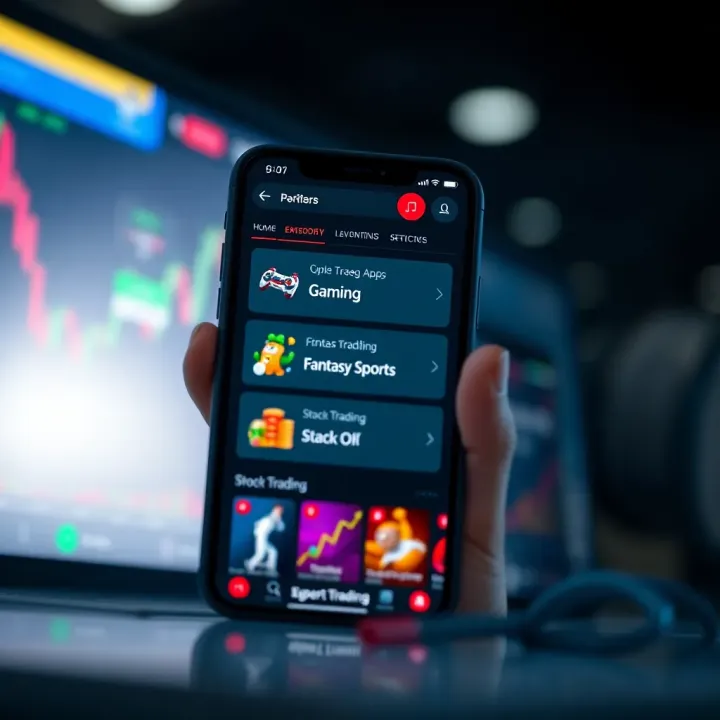
Explore how real money trading apps work in India 🇮🇳, their features, security tips 🔒, and different types like gaming, fantasy sports 🏏 & stocks 📈.
🔍Understand RBI-approved forex trading apps in India, learn their legal framework, risks, and tips for safe trading on authorized platforms.💹
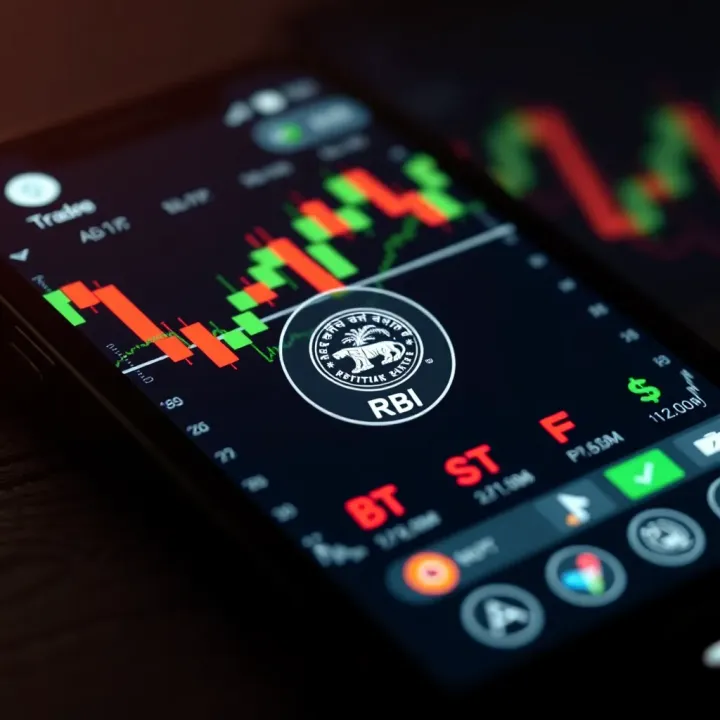
Explore RBI-authorized forex trading apps in India 🏦. Learn to spot legit platforms, understand regulations & trade safely with confidence 💹.
Based on 6 reviews