

Forex Trading Blogs for Indian Traders: A Practical Guide
Explore practical forex trading blogs tailored for Indian traders 🇮🇳 to find expert tips, trustworthy strategies, and insights to boost your trading skills and success.
Edited By
Charlotte Green
Forex trading, or foreign exchange trading, involves buying and selling currencies to profit from exchange rate fluctuations. The forex market is the largest and most liquid financial market worldwide, with daily trading volumes exceeding $6 trillion. Unlike stock markets, forex runs 24 hours on weekdays, offering traders ample opportunities across global time zones.
Understanding forex market mechanics is essential. Currency pairs represent the value of one currency against another—for instance, USD/INR shows how much Indian Rupee equals one US Dollar. Movements depend on multiple factors, including economic indicators, interest rates, geopolitical events, and market sentiment.

For traders in India, the Reserve Bank of India (RBI) regulates forex dealings. Indian residents can trade currency pairs involving the rupee on recognised exchanges like NSE and BSE within prescribed limits. Overseas currency pairs, however, require compliance with FEMA (Foreign Exchange Management Act) norms and dealings through authorised brokers.
Successful forex trading demands knowledge of market dynamics, risk management techniques, and appropriate trading tools. Beginners often start with demo accounts to practise without risking real capital.
Some common strategies include trend-following, range trading, and breakout approaches. Technical analysis uses charts and indicators to identify entry and exit points, while fundamental analysis considers macroeconomic data and news.
Risk management cannot be ignored. Setting stop-loss orders and position sizing protects capital during unforeseen market moves. Traders should manage leverage wisely; high leverage increases both potential gains and losses.
Key tools for effective trading include reliable charting platforms, access to real-time news, and seamless order execution systems. Mobile apps such as MetaTrader 4 and 5 offer convenient trading from anywhere.
In this guide, we will explore essential concepts, practical strategies, and tips geared specially for Indian traders. Whether you are an investor, broker, or analyst, you will find actionable insights to navigate the forex market confidently and responsibly.
Grasping the basics of forex trading is essential before diving into this high-volume market. Without a solid understanding, traders risk losses due to misconceptions or blind guesses. Learning fundamental concepts helps anticipate market movements, manage risks effectively, and make informed decisions.
The forex market, short for foreign exchange market, is where currencies are bought and sold. It stands as the largest financial market globally, with a daily turnover surpassing $6 trillion. Traders exchange one currency for another, aiming to profit from currency value changes. For instance, an Indian trader may buy US dollars expecting rupee depreciation.
Currency pairs form the core of forex trading. Each trade involves buying one currency and selling another simultaneously. The pair’s price shows how much of the quote currency (second in the pair) is needed to buy one unit of the base currency (first). For example, in USD/INR, if the rate is 83.50, it means ₹83.50 are required to purchase $1.
Currencies are broadly classified into majors and minors. Major pairs include widely traded currencies like USD, EUR, JPY, GBP, USD/INR being one of the most watched in India due to import-export and investment flows. Minor pairs exclude the US dollar but involve other strong economies, such as EUR/GBP. Understanding which currencies dominate helps traders focus on liquid pairs with tighter spreads.
One unique feature of forex trading is its 24-hour nature, running from Monday to Friday. Unlike stock markets, forex moves continuously across time zones, opening in Asia, shifting to Europe, and then to North America. This means Indian traders can engage at convenient hours, but also face volatility during overlaps, such as when London and New York markets are both active.
Market participants vary widely. Alongside individual traders, big players include banks, hedge funds, corporations conducting cross-border trade, and central banks. Each influences supply or demand differently—for example, a corporation might hedge exposure to foreign currency risk, while a bank trades for speculative profit.
Central banks and financial institutions have a big say in forex dynamics. The Reserve Bank of India (RBI), for example, occasionally intervenes to stabilise the rupee or curb excessive volatility. Such actions can shift trends suddenly, so a trader aware of these interventions is better placed to anticipate jumps or dips.
Understanding forex basics is not merely academic — it offers practical tools to trade smarter, adapt strategies, and navigate a volatile market with greater confidence.
In the next sections, we’ll explore how to set up for success and choose the right tools to get started effectively.
Setting up for success in forex trading is more than just opening an account or installing software. It means choosing the right broker, assembling the essential tools, and understanding the technology that supports trading decisions. These steps help traders avoid costly mistakes early and navigate the forex market with confidence and efficiency.
In India, forex trading is tightly regulated by the Reserve Bank of India (RBI). Indian traders can only legally trade in currency pairs that include the Indian Rupee (INR) through exchanges like the NSE or BSE. Offshore brokers may offer more pairs but come with a risk of unregulated operations. So, choosing a broker registered with SEBI or authorised to operate in India safeguards traders from fraud and ensures compliance with legal requirements.
Brokerage costs can chip away at your profits if you aren’t careful. It's useful to compare not just the fixed fees but also variable costs such as spreads—the difference between the buy and sell price—which tend to be narrower with more established brokers. For example, HDFC Securities may offer competitive brokerage but charge slightly higher spreads, whereas Zerodha might promote tighter spreads but charge for advanced tools. Knowing these helps you pick a broker that suits your trading frequency and budget.
A broker’s trading platform often determines a trader's success. Look for platforms that are user-friendly and reliable, offering features like real-time quotes, one-click order execution, and integrated charting tools. For instance, MetaTrader 4 (MT4) is widely used due to its customizability and rich indicators, while some Indian brokers offer proprietary platforms tailored to local needs. Testing platforms through demo accounts before committing can reveal which fits your style best.
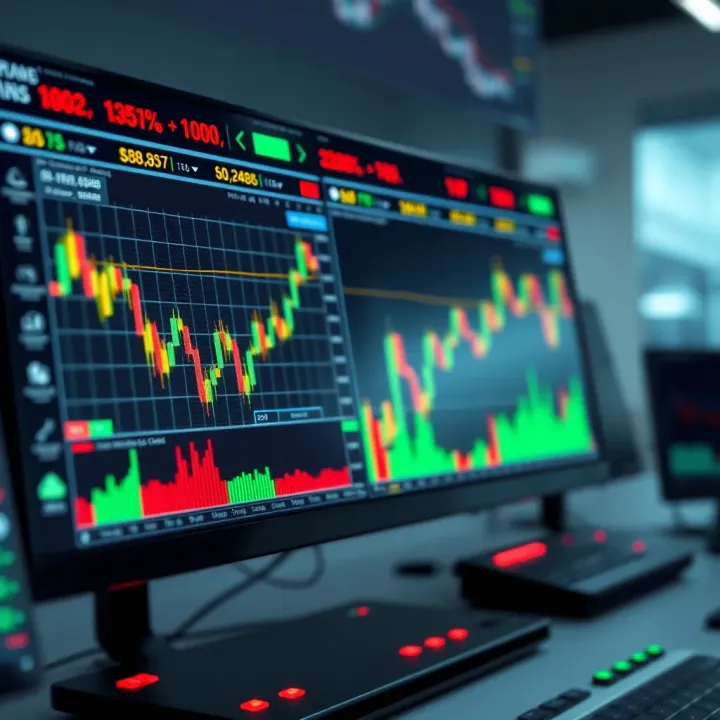
Mobile trading apps have become critical, especially in India, where many traders prefer using smartphones. A good app should offer seamless navigation, quick order placements, and timely notifications. For example, ICICI Direct and Kotak Securities provide apps that integrate trading, market news, and portfolio management neatly. Picking reliable and responsive trading software prevents missed opportunities caused by technical glitches.
Successful traders use charts not just to follow price movements but to spot patterns signalling buy or sell opportunities. Tools that plot moving averages, RSI (Relative Strength Index), and Fibonacci retracements are common choices. Some platforms allow you to use custom scripts or indicators. Indian traders often use ChartIQ or TradingView, which provide rich analysis capabilities and community-shared insights for more informed decisions.
Market-moving news, such as RBI announcements or global economic releases, impact currency rates. Keeping track of these through trustworthy sources ensures you’re not caught off-guard. Economic calendars list upcoming events and their expected impact, helping traders prep accordingly. Websites like Investing.com or apps that offer updates in real-time are especially helpful for keeping tabs on market volatility around crucial data releases.
Choosing the right setup—broker, tools, and timely information—can make the difference between consistent gains and unpredictable losses in forex trading. Prioritising these elements lays the foundation for trading success in India's unique market environment.
Mastering common trading strategies and techniques can greatly improve your forex trading results. These strategies help you make informed decisions rather than relying on gut feelings. They equip traders to read market signals, manage risks smartly, and plan entries and exits effectively.
Reading charts and price action is the backbone of technical analysis. Charts present historical currency price movements that help you spot patterns and anticipate possible future moves. Price action itself—the real-time shifts in price—offers valuable clues about the market’s strength or weakness. For example, spotting consistent higher lows suggests a bullish trend, which can inform buy decisions. Successful traders often monitor candlestick formations to read market sentiment daily.
When it comes to popular indicators and oscillators, tools like the Relative Strength Index (RSI), Moving Averages (MA), and MACD (Moving Average Convergence Divergence) provide concrete data beyond price visuals. RSI helps detect whether a currency is overbought or oversold, guiding timely entry or exit. Moving averages smooth out price fluctuations, making trend direction clearer. These indicators are especially useful in volatile sessions like the London or New York trading hours.
Identifying trends and reversal patterns is critical for timing trades. Trends show the general price direction, upward or downward, supporting longer-term trades. Reversal patterns, such as head and shoulders or double tops, warn of upcoming changes. For example, seeing a double bottom pattern on the USD/INR pair after a downtrend can signal an upcoming bullish shift, helping avoid unnecessary losses or poor timing.
Assessing the impact of economic indicators is vital. Reports like India’s GDP growth, inflation rates, or employment figures often sway currency values sharply. For instance, a stronger-than-expected GDP number tends to boost the rupee. Traders should note the release schedules of key data to prepare for sudden moves.
Understanding currency correlations and geopolitical factors adds a layer of caution. Some currencies move together, like AUD and NZD, while others like USD and EUR might act oppositely. Geopolitical events—trade tensions, government elections, or even changes in oil price policies—can cause unexpected market swings. Keeping an eye on these helps you avoid surprises or capitalise on emerging trends.
Monetary policy effects drive forex markets notably. Central banks’ decisions on interest rates or quantitative easing programmes affect currency demand heavily. RBI’s monetary policy announcements often create short-term volatility. For instance, a rate hike by RBI generally strengthens the rupee, providing a clear signal for trend-based trades.
Setting stop-loss and take-profit levels helps contain losses and lock gains. A stop-loss limit prevents small losses from turning disastrous, while a take-profit caps profits before a reversal. For example, placing a stop-loss 50 pips below an entry on EUR/USD can protect your capital without cutting potential gains prematurely.
Position sizing and leverage use require caution. Using excessive leverage might magnify gains but also exposes you to significant losses – common pitfalls for beginners. Calculating position size based on your risk tolerance per trade—say, 1-2% of the trading capital—keeps your account safer and allows you to survive rough patches.
Finally, managing emotions and avoiding common mistakes are overlooked but essential. Traders often make impulsive moves driven by fear or greed, leading to repeated mistakes. Maintaining discipline, sticking to your strategy, and reviewing your trades objectively help reduce emotional bias and improve consistency.
Successful forex trading blends a solid grasp of technical and fundamental insights with disciplined risk management. This balanced approach helps you navigate market waves with confidence and control.
Starting forex trading can feel overwhelming without a clear roadmap. Knowing the practical steps to open an account, fund it, and begin trading helps you avoid common pitfalls and jumpstart your journey efficiently. For Indian traders, understanding local regulations, documentation needs, and trading options is especially important.
Opening a forex trading account in India requires submitting certain documents to satisfy KYC (Know Your Customer) rules. Typically, you need a PAN card, Aadhaar card or passport for identity proof, and bank statements as address proof. This process ensures compliance with RBI rules and prevents fraud, making your trading environment safer.
Once your account is set up, you must fund it before placing trades. Indian brokers usually accept bank transfers via NEFT/RTGS or payment gateways linked to your bank account. It's crucial to use legitimate payment channels to avoid restrictions or delays, especially because the RBI tightly monitors foreign exchange transactions. For instance, if you fund your account with ₹50,000, that becomes your trading capital.
Most brokers offer demo accounts allowing beginners to practise forex trading with virtual money. This helps you familiarise yourself with the trading platform, test strategies, and understand market behaviour without financial risk. However, switching to live trading exposes you to real emotions and risks. Demo trading is ideal to build confidence, but real trading will sharpen your decision-making under pressure.
Jumping straight into large positions can hurt your capital fast. Starting small, say ₹10,000 or less, lets you learn how the market works with limited downside. This approach suits new traders who are still mastering leverage and stop-loss settings. Even seasoned traders ramp up exposure gradually to protect their funds.
Maintaining a trading journal is often overlooked but highly valuable. Note details like currency pairs traded, entry and exit points, profit or loss, and reasons for each trade. Over time, this record reveals patterns and mistakes, helping you sharpen strategies. Digital tools or simple spreadsheets work well for this purpose.
Forex trends, regulations, and technologies evolve, so staying updated is essential. Follow Indian financial news, RBI announcements, and use economic calendars to track events impacting currencies. Attend webinars, read expert analyses, and revise strategies when markets shift. The ability to adapt keeps you ahead in the volatile forex arena.
Getting started with forex trading in India involves clear steps—from opening your account to steadily building your skills and plan. Patience and discipline at this stage set the foundation for future success.
Understanding the legal and tax landscape is essential for anyone trading forex in India. The regulatory framework ensures traders operate within the law, protecting their investments and reducing risks. On the tax side, knowing how profits are treated helps avoid surprises during filing and ensures compliance with the Income Tax Department.
The Reserve Bank of India (RBI) is the key regulator of forex trading in India. It controls currency exchange policies and oversees authorised dealers who handle currency transactions. RBI’s regulations mainly focus on preventing illegal currency trading and money laundering, thereby maintaining market stability.
For example, RBI restricts Indian residents from trading in currencies other than the Indian rupee with offshore brokers. This is why trading in currency pairs involving INR through approved channels is permitted, but trading foreign currency pairs directly from India is generally prohibited.
Indian traders can trade forex only on recognised exchanges like the National Stock Exchange (NSE) and Bombay Stock Exchange (BSE), where currency futures and options are permitted. Trading spot forex with overseas brokers is not allowed, as per RBI guidelines.
This restriction means you can’t simply use an international platform to trade pairs like EUR/USD or GBP/USD unless the transaction goes through Indian-registered brokers or exchanges. Traders should keep this in mind to avoid running afoul of regulations, which can lead to penalties.
Dealing with unregulated brokers abroad carries significant risks. These brokers may not follow Indian laws or international best practices, increasing the chance of fraud, unfair practices, or withdrawal difficulties.
For instance, there have been cases where traders lost money because unregulated brokers refused withdrawals or manipulated prices. To stay safe, always use brokers registered with Indian authorities like SEBI or RBI-authorised entities. This protects your funds and gives legal recourse if needed.
Forex trading profits are treated as capital gains or business income depending on the activity level and source. If forex is your main business, income is taxed as business income, allowing you to claim expenses. For casual trading, gains might be considered capital gains, taxed accordingly.
For example, if you trade forex sporadically and book occasional profits, this income might fall under capital gains. However, active day traders should keep detailed accounts as business income tax rules apply.
All forex income must be reported in your Income Tax Return (ITR). Depending on turnover and income type, you may need to fill ITR-3 (for business income) or ITR-2 (for capital gains). Failure to report can lead to scrutiny or penalties.
It is advisable to consult a tax professional to correctly classify income and file the right forms, especially since forex trading can involve complex international transactions.
Keep meticulous records of every trade, including dates, amounts, exchange rates, broker statements, and related expenses. This documentation simplifies tax filing and helps during audits.
For instance, maintaining spreadsheets or digital logs of trades with screenshots and transaction IDs proves invaluable. Also, retaining bank statements linked to your trading accounts helps reconcile income reported.
Clear records and compliance with legal regulations together build a safe foundation for successful forex trading in India.
Having these points sorted will keep your trading legitimate, minimise tax hassles, and protect you from market and regulatory pitfalls.
Explore practical forex trading blogs tailored for Indian traders 🇮🇳 to find expert tips, trustworthy strategies, and insights to boost your trading skills and success.
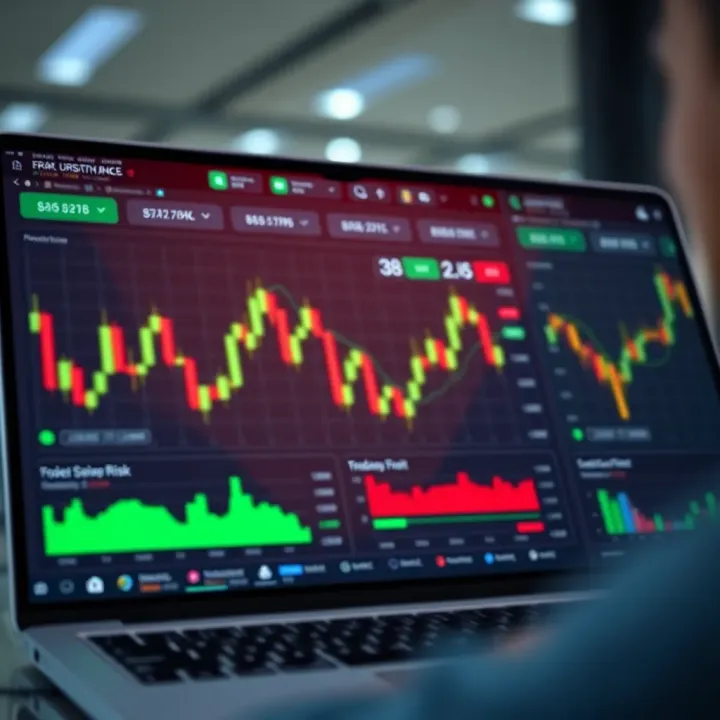
Learn how to open a forex trading account in India, explore types of accounts, pick reliable brokers, manage risks, and understand legalities for safer currency trading 📊💱.
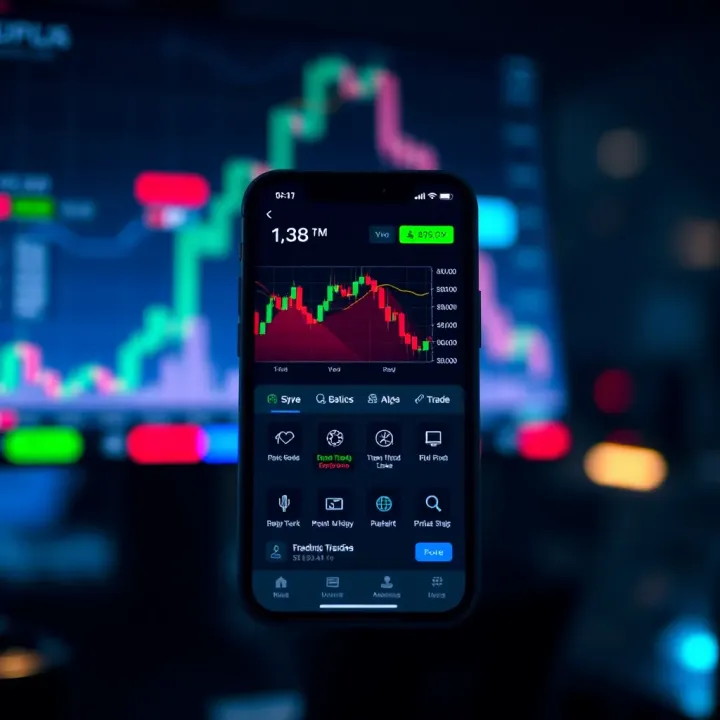
Discover how forex trading apps empower Indian traders to access global markets, manage risks, and choose the best app for smooth, secure trading 📱₹💡
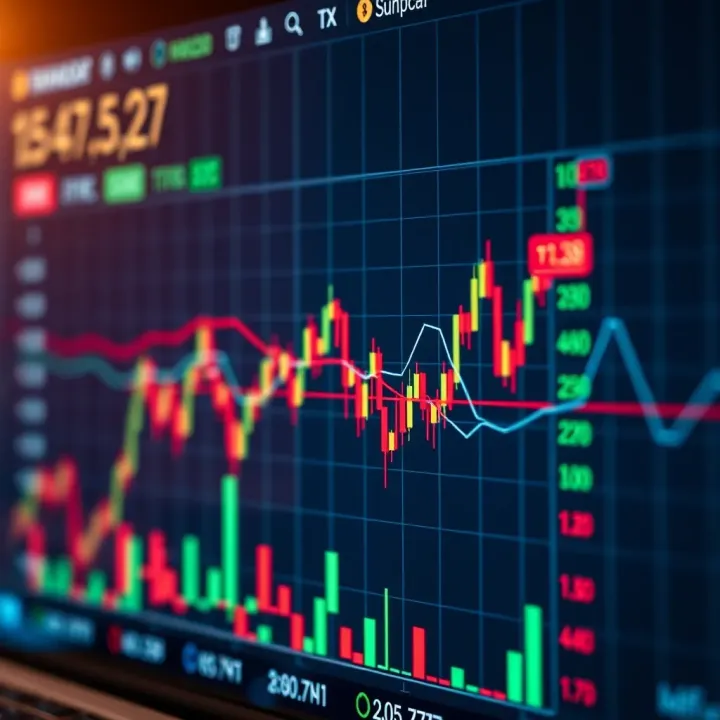
🌟 Join forex trading contests to sharpen your skills, compete with peers, and win prizes. Learn contest types, strategies, benefits, and risks for smart trading success!
Based on 8 reviews