
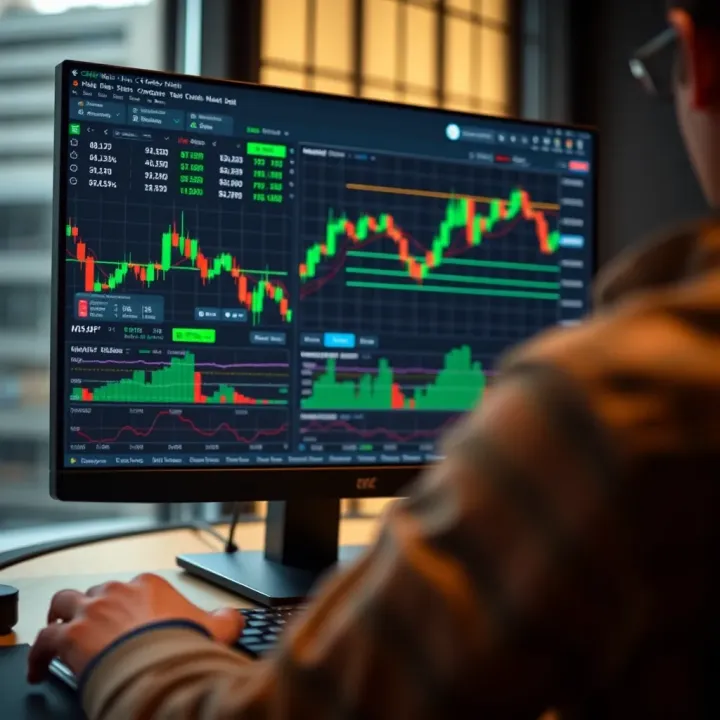
cTrader Web: Features, Setup & Trading Strategies
Explore cTrader Web's user-friendly browser platform for forex and CFD trading, setup guidance, useful features, and effective strategies to boost your trading skills 🚀💹
Edited By
Isabella Scott
Traders today face an ever-growing need to track multiple markets, charts, and news feeds simultaneously. A four-monitor setup makes this manageable by spreading information across screens. This helps traders catch shifts quickly and reduce the chance of missing crucial updates. For Indian traders dealing with volatile markets like Nifty 50 or forex fluctuations, having extra screen space can improve decision-making speed and accuracy.
Setting up four monitors is more than just hooking up cables—it requires understanding hardware compatibility, workstation layout, and workflow optimisation. The goal isn’t to clutter your desk but to create a clean, efficient environment that supports quick data access.
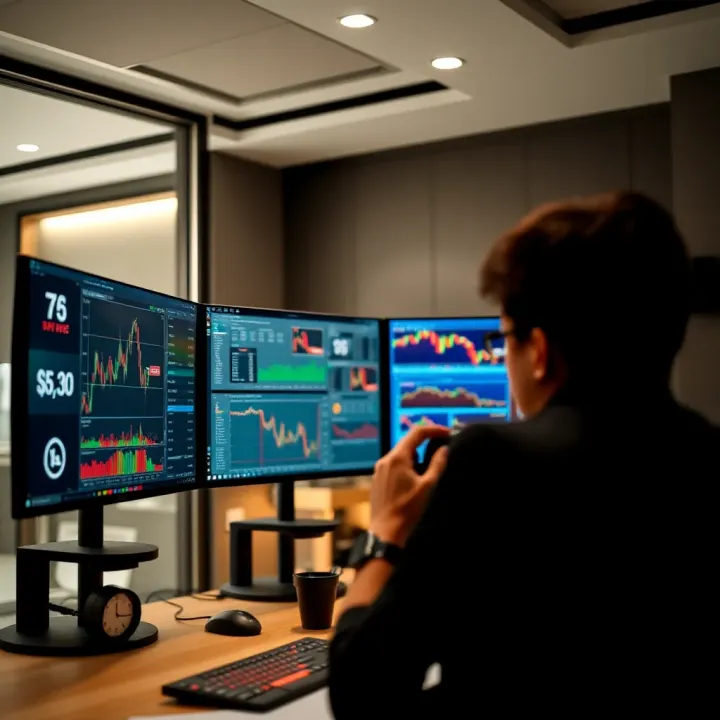
A well-planned multi-monitor setup can display live charts on one screen, order books on another, market news on the third, and trade executions or messaging apps on the fourth. This division reduces the need to switch tabs or windows constantly, saving precious seconds during trades.
For professional traders, even a second’s delay can mean the difference between profit and loss. That’s why a four-monitor configuration is not a luxury but a practical investment.
Besides increasing productivity, multi-monitor setups also ease eye strain by avoiding frequent screen switches and reducing clutter on each display. Plus, the setup can be tailored for the trader’s specific niche—from stock markets to commodities or crypto.
This article walks you through selecting the right monitors and graphic cards compatible with Indian market standards, arranging displays for maximal ergonomics, and tips for maintaining the setup to keep it running smoothly during intense trading sessions.
Using four screens in trading offers tangible improvements in productivity and decision-making. This setup lets you spread out crucial information across multiple displays, reducing the need to switch between tabs or minimise windows. For example, while one screen shows live stock prices, another can display charts, a third keeps an eye on news updates, and the fourth allows order placement or watching market sentiment on social media feeds.
Accessing more real-time data without clutter is essential for traders. Instead of juggling several overlapping windows on a single screen, four monitors let you dedicate space to various data types. You might keep a price ladder in one place, order book in another, and live global indices elsewhere. For instance, an intraday trader following Sensex trends can place the main index watchlist on one screen, while watching sector-specific stocks on another. This approach helps spot opportunities as they develop, without missing crucial action.
Monitoring multiple markets or instruments simultaneously becomes easier with four screens. You can follow equities, commodities, forex, and derivatives side by side. This setup works well for traders who rely on technical analysis on one chart, fundamentals on another, and news feeds on the third. Imagine tracking crude oil prices alongside rupee-dollar exchange rates while trading Nifty futures. Managing all this on a single screen creates a bottleneck that slows reaction time.
Speed is everything in trading. When market conditions shift rapidly, switching windows can waste precious seconds, which could cost profits. Four monitors let you keep all key tools visible, reducing the time needed to execute trades or change strategies. For example, if a sudden global event affects market sentiment, you can quickly analyse charts, check news analytics, and enter orders without toggling between tabs.
Having dedicated space for different elements of your trading reduces mental load and helps maintain focus. A four-monitor setup is not just a luxury but a practical step to elevate your trading efficiency.
In summary, four screens provide easy access to diverse real-time data, facilitate multitasking across markets, and speed up decision-making — benefits that are especially relevant for serious traders dealing with fast-moving Indian financial markets like NSE and BSE.
Selecting the appropriate monitors and hardware forms the backbone of an efficient four-monitor trading setup. Without the right tools, your ability to track multiple markets, charts, and news simultaneously can take a hit, slowing down decision-making when every second counts. Indian traders should carefully consider specific monitor features and the computer components needed to handle multiple displays, ensuring smooth performance and clear visuals.
Screen size and resolution are vital for capturing detailed data without overcrowding your workspace. A screen size between 24 to 27 inches typically suits most traders, balancing ample display area with manageable desk space. Preferably, opt for Full HD (1920x1080 pixels) or higher resolution like 2K (2560x1440 pixels) to display crisp charts and multiple windows clearly. For example, a 27-inch 2K monitor from brands like Dell or LG can show complex candlestick patterns without zooming or scrolling excessively.
Refresh rate and response time influence how smoothly data updates on your screen. While trading monitors don't require ultra-high refresh rates like gaming displays, at least 60Hz refresh rate with a response time below 5ms helps keep charts and ticker updates fluid, reducing eye strain during long sessions. A delay in refresh can mean missing out on timely price movements, especially in volatile markets.
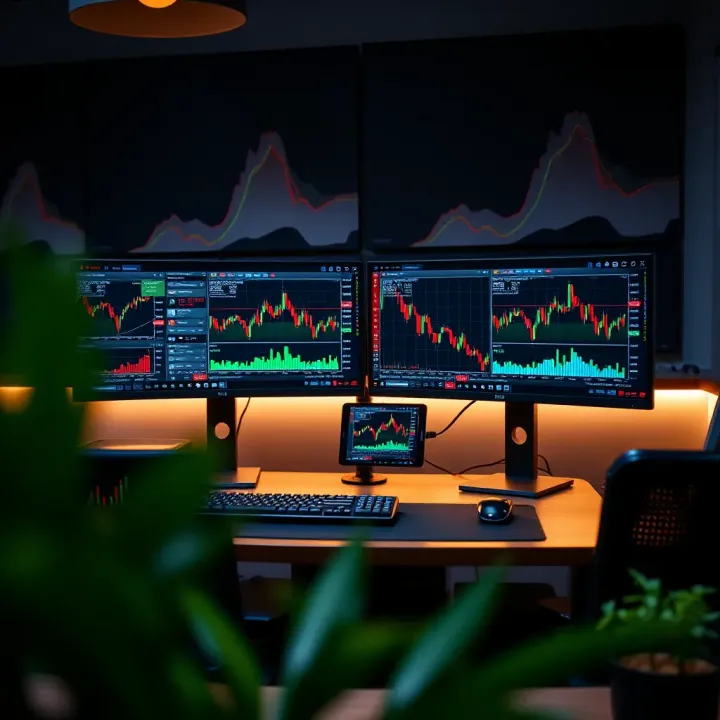
Connectivity options ensure flexibility when linking multiple monitors to your system. Most modern monitors offer HDMI or DisplayPort inputs, but verify that your graphics card supports these connections for all four screens. Some monitors provide daisy-chaining features, allowing you to connect multiple displays via one port, which can simplify cabling. Additionally, USB-C ports with video output are becoming popular on premium models to support direct laptop connections, useful for traders working on portable setups.
To handle four monitors simultaneously, a capable graphics card is non-negotiable. Most mainstream graphics cards from NVIDIA and AMD support multiple display outputs, but verify the exact number of supported monitors and the types of ports available. For instance, an NVIDIA GeForce GTX 1660 Super can easily power four Full HD displays. Without an appropriate GPU, you may face flickering screens, lag, or inability to connect all monitors.
For budget-conscious Indian traders, it's practical to balance performance with cost. Integrated graphics on recent Intel or AMD processors sometimes support three monitors but rarely four without external adapters. Thus, investing around ₹15,000 to ₹25,000 in a mid-range graphics card capable of four outputs might deliver better stability and future-proofing. Brands like Zotac and MSI offer cost-effective options available readily through Indian retailers, which suit traders not looking to spend a huge sum but still want reliability.
Ensure your computer's power supply unit (PSU) and motherboard also support the chosen graphics card and peripherals to avoid bottlenecks or compatibility issues.
Choosing the right monitors and hardware is not just about numbers and specs; it directly impacts how swiftly and comfortably you can work across multiple screens. Make your choices based on specific trading needs, workspace limitations, and budget to create a setup that truly supports your trading workflow.
Setting up four monitors isn't just about plugging them in; how you arrange them matters a lot. A good layout helps you absorb market data faster and react quicker. For example, if you’re tracking multiple stocks or commodities on NSE and BSE, having a logical visual flow lets you shift your gaze smoothly without missing any crucial movements.
The grid layout places the screens in a square, two-by-two format. This setup balances your view and allows you to divide tasks neatly—say, charts on two screens, news feeds and watchlists on the others. It works well for traders who like to keep a steady eye on multiple segments without frequent head turning. For instance, if you track equity and derivatives simultaneously, this layout keeps both sets equally visible.
In a linear layout, all four monitors line up side by side horizontally. This suits those who prefer to scan through information left to right, similar to reading a newspaper. It’s especially useful when your trading software shows multiple charts or watchlists in a horizontal sequence. But do keep in mind desk space – a linear setup demands a longer desk to avoid clutter.
Custom setups adapt to individual preferences and trading habits. A day trader focusing on fast intraday movements might stack three screens vertically for quick navigations and keep the fourth horizontal for news or chat apps. On the other hand, a positional trader tracking long-term trends may prioritize chart size over arrangement. The key is to configure displays so your most important data stays front and centre, reducing unnecessary eye movement and cognitive load.
Proper monitor height prevents neck strain, which is common in long trading hours. Ideally, the top edge of your screens should align with your eyes while sitting straight. Angling the monitors slightly upward enhances comfort and visibility. Adjustable stands or mounts can help here. Traders often underestimate this, but a small adjustment saves big discomfort later.
Eye fatigue can slow your decision-making, so reducing strain is vital. Use monitors with flicker-free technology and blue light filters, especially if you trade well into the night. Taking regular breaks, adjusting brightness based on ambient light, and keeping a comfortable distance—about an arm’s length—also helps. Some traders prefer anti-glare screen protectors when working near bright windows common in Indian offices.
Four screens take up room, so organise your desk efficiently. Prioritise key tools and keep keyboards, mouse, and other essentials accessible without crowding. Cable management is equally important to stop wires from tangling or obstructing your movements. Modular desks or those with adjustable surfaces can make a difference, especially if you need to combine trading with other work like research or communication.
Remember, the way you arrange your screens impacts how you process information and maintain focus over long hours. Even small ergonomic tweaks can improve your trading performance significantly.
This setup advice ensures your four-monitor configuration works smoothly with your trading style while keeping you comfortable and alert throughout the day.
A well-organised software layout enhances how you interact with your four-monitor trading setup. When trading actively on markets like the NSE or BSE, displaying the right tools on each screen reduces clutter and lets you focus sharply on what matters most, avoiding distractions while responding quickly.
Market watchlists usually sit at the core of your trading interface. They show live prices, volumes, and trends for your preferred stocks or commodities. Placing these watchlists on a dedicated screen helps you spot opportunities and risks immediately without toggling between tabs. For instance, having an active watchlist for sector-wise movers on one screen lets you track diversified market segments swiftly.
Chart windows visualise price movements over different time frames and play a critical role in technical analysis. Assigning a whole monitor to charts means you can open multiple windows, each analysing a different stock or index, like Nifty 50 or Bank Nifty. This arrangement avoids constantly minimising and maximising charts, speeding up your decision-making – say, catching a breakout or spotting a reversal pattern.
News feeds and alerts provide real-time updates vital for fundamental trading and intraday moves. Dedicate a screen for these tools to monitor economic announcements, corporate results, or regulatory news that influence your trades. Quick access to live news reduces the chance of missed signals especially during volatile sessions driven by RBI rate decisions or government policies.
Integration with NSE and BSE terminals ensures your setup connects directly with official market data sources. This integration minimises latency and enhances reliability. Many professional traders rely on such terminals for the freshest market info, which proves handy for high-frequency trading or arbitrage strategies where seconds matter.
Using tools like Zerodha Kite and Upstox Pro makes Indian trading more seamless due to their tailored features for local markets. For example, Zerodha Kite supports multi-screen layouts and custom widgets, so you can spread your market watch, charts, and order books across different monitors effortlessly. Upstox Pro offers quick order placements and real-time alerts aligned with Indian market timings. Using these platforms combined with your four-monitor setup dramatically improves workflow and overall trade execution speed.
Keeping software and tools arranged thoughtfully across your screens boosts efficiency, reduces mistakes, and keeps you more connected to rapid market shifts.
Organise your workspace so that each screen has a clear purpose, balancing technical and fundamental information. This way, you filter noise better and make well-informed moves tailored to Indian trading conditions.
A four-monitor trading setup demands regular upkeep and thoughtful upgrades to keep performance sharp and downtime minimal. Without proper maintenance, dusty screens can blur data, software glitches may slow down your system, and outdated hardware can lag behind fast-moving markets. Efficient upkeep and timely upgrades ensure your workspace remains reliable, helping you respond quickly during crucial trade moments.
Cleaning monitors regularly is more than just aesthetics. Dust, fingerprints, and smudges reduce screen clarity, making it harder to read charts and news feeds. Use a soft microfiber cloth for wiping screens gently—avoid harsh chemicals that can damage coatings. In dusty Indian cities during the monsoon, cleaning might be needed weekly. Keeping the monitors clean helps prevent eye strain caused by squinting at unclear displays.
Software updates and backups also play a key role. Trading platforms and charting tools often release patches to fix bugs or improve features. Delaying these updates might cause compatibility issues or even expose your system to security risks. Set your software to auto-update or check periodically. Backing up your configurations and data protects you from sudden crashes or hardware failure, so you can restore your workspace quickly without losing important setups.
Signs of outdated hardware include laggy performance when running multiple trading applications or monitors flickering and losing colour accuracy. If your graphics card cannot support your four-monitor layout smoothly, charts may freeze just when you need quick analysis. Similarly, if the monitor resolution or refresh rate feels below par compared to current models, it may be time to consider upgrades. In India, where technology refresh cycles are often cost-sensitive, watch for these performance drops carefully.
Budgeting for replacements requires smart planning. Rather than replacing all components at once, prioritise those with the most impact on trading performance. For example, upgrading the graphics card first can improve multi-display smoothness. Look for deals during Indian festive sales or off-season periods to get better prices on monitors or PC parts. Allocate a yearly tech maintenance fund to gradually refresh parts, avoiding sudden, costly replacements that disrupt your trading.
Regular maintenance and timely upgrades keep your trading setup ready to tackle fast market moves, ensuring your investment in technology pays off fully.
With these practical steps, Indian traders can maintain a four-monitor setup that delivers consistent, clear visuals and reliable performance over time.
Explore cTrader Web's user-friendly browser platform for forex and CFD trading, setup guidance, useful features, and effective strategies to boost your trading skills 🚀💹
Explore the Exness trading terminal in detail: setup, key features, account types, technical analysis tools, and tips to trade confidently in India 🇮🇳📈📊
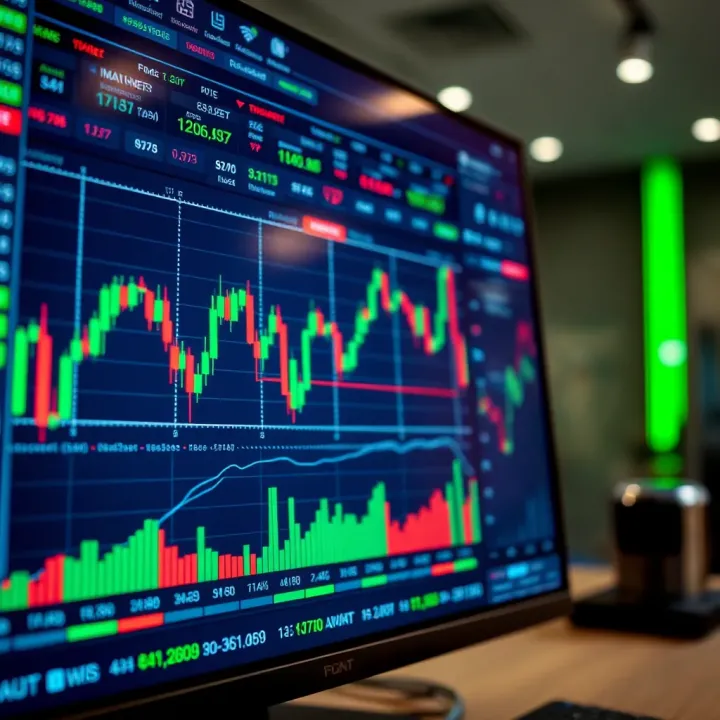
Find the best trading platform 🌐 tailored for your needs: reviews on usability, security, fees, tools & strengths that match both beginners and experts in financial markets.
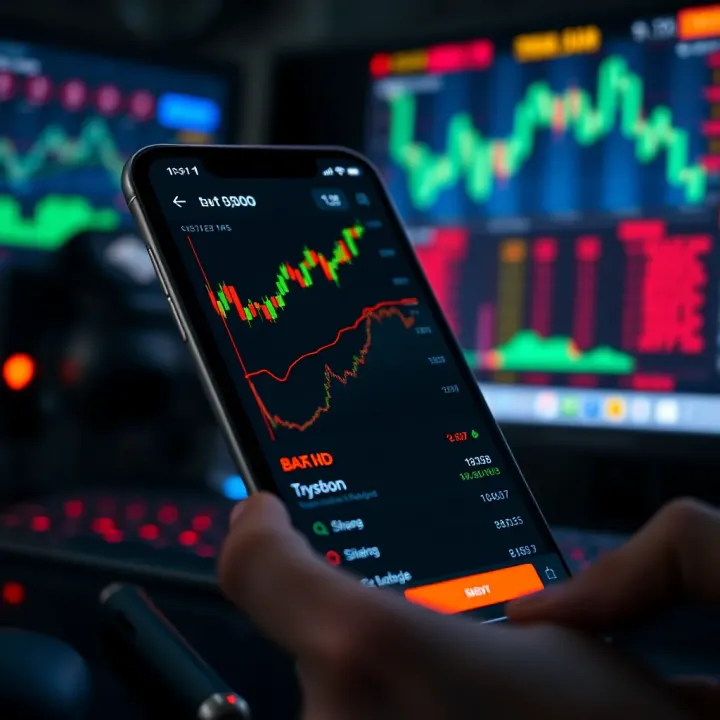
Discover how to pick the best binary trading app for Indian traders📱. Compare security, user experience, and regulations to trade safely and confidently📊.
Based on 12 reviews