

Demo Trading Accounts in India: A Practical Guide
Explore how demo trading accounts let you practise stock trading in India risk-free 📈. Learn setup tips, top platforms & improve your skills effectively.
Edited By
Alexander Grey
For new Indian investors stepping into stock trading, a demo account offers a safe environment to learn the ropes without risking real money. Essentially, it simulates live stock market conditions, allowing you to practise buying and selling shares with virtual funds. This hands-on experience helps build confidence and understand market behaviour before committing actual capital.
Demo accounts replicate real-time prices, order types, and market news, so it feels very close to actual trading. However, since no real money is involved, the emotional pressure of gains and losses is absent, which in itself alters decision-making. That said, they remain a valuable tool to test strategies and familiarise yourself with trading platforms.
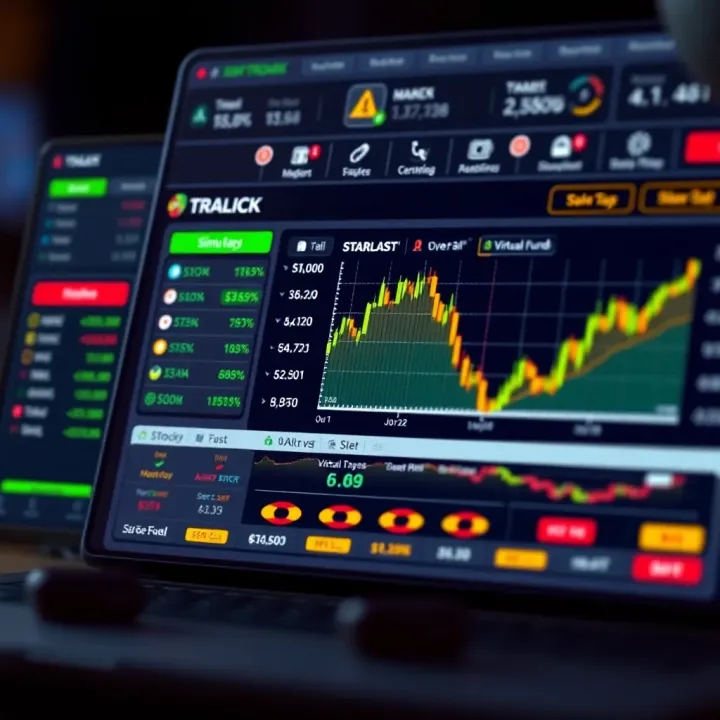
Here’s what makes demo accounts especially useful:
Practise without risk: You can experiment with different trading styles, whether day trading, swing trading, or long-term investing.
Platform navigation: Get comfortable with various Indian brokerage apps or websites, such as Zerodha Kite, Upstox, or ICICI Direct, which offer demo accounts.
Understanding order types: Learn how market orders, limit orders, stop-loss, and other order types work in practice.
Strategy testing: Evaluate a new trading strategy across sectors like IT, pharma, or banking without financial exposure.
Unlike real trading, demo accounts don't factor in emotions, which are often a trader's biggest challenge. Use this to your advantage by focusing on gaining technical skills.
While they are handy, demo accounts have shortcomings. The lack of real stakes means you might not feel the urgency or restraint needed during volatile markets. Also, some execution delays or discrepancies may exist compared to live trading, especially during high market activity.
Still, for freshers and those testing new platforms or strategies, demo accounts provide a practical learning curve. Most Indian brokers allow you to switch seamlessly between demo and live modes, making the transition smoother once you feel ready.
In summary, a demo account is your trial ground for stock trading in India. Use it well to build foundational skills and make your first real trades with more confidence and understanding.
A demo account in stock trading is essentially a practice platform where you can trade shares using virtual money instead of real cash. It allows investors, especially beginners, to understand how buying and selling stocks works without risking their hard-earned savings. For example, a new trader in Delhi can try out strategies on a demo account provided by Zerodha or Upstox to see how well they perform before moving on to live trading.
The main purpose of a demo account is to help you get familiar with market mechanics, trading platforms, and tools without the pressure of losing money. This hands-on experience is crucial because trading involves not just knowing what to buy or sell but also managing orders, timings, and risk.
Demo accounts aim to replicate real market conditions closely. They use live or simulated market data to reflect the actual price movements of stocks, enabling you to experience the volatility and liquidity changes like in a real scenario. For instance, when trading Reliance Industries stock on a demo platform, you see almost the same price updates you would encounter in actual trading.
However, some differences remain. Order execution in demo mode is usually instantaneous, while live markets might have delays or slippages due to demand and supply. Also, demo accounts may not always represent the exact liquidity levels that exist in real-world trading. Still, the close approximation helps you practice timing your trades and understanding market trends.
Most demo accounts come with several key features that mimic live trading environments:
Virtual Funds: A preset amount of fake money, say ₹5 lakh, to simulate trading without financial risks.
Real-Time or Near Real-Time Market Data: To track price movements and volume accurately.
Order Types: Limit orders, market orders, stop-loss, and other order variants allow you to experiment with execution strategies.
Charts and Technical Indicators: Tools like moving averages, RSI, and MACD enable technical analysis to guide trading decisions.
Trade History and Reporting: Keep records of your trades to analyse performance and learn from mistakes.
For example, ICICI Direct's demo account provides these facilities, allowing traders to simulate day trading, swing trades, and test automated strategies.
Practising on a demo account helps you build not only your trading skills but also confidence, making the leap to real trading smoother and less intimidating.
With demo accounts, Indian investors can explore stock trading risk-free, gaining the essential experience needed in the fast-moving equity markets.
A demo account offers Indian investors a chance to explore stock trading without risking real money. It acts as a safety net to understand market functioning and develop skills before stepping into live trading.
Demo accounts let you engage with the stock market environment exactly like real trading, minus the financial risk. For example, you can practise placing buy or sell orders, watch how prices fluctuate in real-time, and understand basic concepts like bid-ask spread or order types. This is particularly useful for beginners who might find the terminology and procedures overwhelming initially. Since your funds are virtual, you can afford to make mistakes and learn from them without worrying about losing ₹5,000 or ₹50,000 in real money.

Before committing actual capital, demo accounts are ideal to test different strategies. For instance, if you’re interested in swing trading or intraday strategies, you can check how they perform under various market conditions. This also includes trying out technical indicators, charting tools, and order types offered by trading platforms like Zerodha or Upstox. You can switch between limit and market orders or test stop loss strategies without the stress of real losses. This hands-on trial and error not only helps you see what works best for your style but also keeps you prepared for the unpredictability of the market.
Trading platforms can be complex, with multiple features, reports, and options. Demo accounts provide a risk-free environment to navigate these tools. For example, you can explore features like viewing market depth, setting alerts, or customising watchlists, which can be confusing at first. As you become comfortable, your confidence grows, reducing hesitation and panic when you shift to live trading. Knowing your way around the platform also speeds up decision-making, which is crucial for timely trades.
Using a demo account is like learning to drive in an empty parking lot before hitting the busy roads. It builds your foundation and lets you take on real situations with greater preparedness.
By giving you practical exposure without financial danger, demo accounts serve as a crucial step for Indian investors to develop skills, test strategies, and gain confidence in the stock markets.
Demo accounts offer a no-risk environment to practise stock trading, but they have clear shortcomings that traders must recognise. These limitations can affect how useful demo trading is in preparing for real-life stock market conditions. Being aware of these drawbacks helps Indian investors avoid over-reliance on demo accounts and plan a better transition to live markets.
One major limitation is the absence of real emotions in demo trading. When trading with virtual money, traders don’t face the stress, fear, or excitement tied to actual financial loss or gain. This emotional detachment means demo trading often feels like a game, which does not prepare you for the psychological challenges of live trading. For example, a trader might take bigger risks in a demo account because there’s no real money at stake, but in real trading, the fear of losing ₹50,000 or more can impact decisions drastically. Managing these emotional responses is essential for success in live markets, and demo accounts usually fall short in this area.
Demo accounts rarely reflect the exact order execution and liquidity conditions of live markets. Orders in a demo environment are often filled instantly and at ideal prices, while real trading faces delays, slippage, partial fills, or even rejections under volatile conditions. For instance, during high volatility events like RBI announcements or budget days, real market liquidity can dry up quickly, causing price swings or difficulty in executing trades. Demo accounts usually do not simulate this complexity, giving a false impression of ease and efficiency.
Relying heavily on demo trading can lead to overconfidence. Since losses in demo accounts are not real, traders may develop unrealistic expectations about their strategy's effectiveness. When switching to live trading, this misplaced confidence can cause poor risk management decisions and higher losses. Consider a trader who consistently sees positive returns in the demo but struggles in live markets due to ignoring stop-losses or increasing position sizes without proper caution. This pitfall highlights the need to treat demo trading as learning, not a guarantee of readiness.
While demo accounts are valuable learning tools, they should not be mistaken for real trading. Knowing their limitations helps Indian investors prepare mentally and strategically for the live market's realities.
Understanding these key drawbacks ensures that demo trading stays a practical step in your trading journey, not a comfort zone preventing progress.
Picking the right demo account is quite vital for Indian traders who want to practise stock trading without actual financial risks. Not every demo account is built the same; factors like market data accuracy, ease of use, and available tools can make a big difference in how well you understand trading.
Choosing the right trading platform starts with trust and reliability. Platforms like Zerodha, Upstox, and Angel One provide demo accounts closely tied to their live trading environments. This means when you switch from demo to actual trading, the experience stays consistent. Look for platforms regulated by SEBI that offer real-time market data rather than delayed feeds, as timely information can impact your trading decisions hugely. Also, check whether the platform supports all the asset classes you're interested in, such as equities, derivatives, or commodities.
A good demo account should offer live or near-live market data which mimics real market conditions. Delayed data can distort your sense of market timing. The user interface matters too; it should be intuitive enough to let you focus on trading rather than figuring out where everything is. Platforms like Groww and 5Paisa offer clean, simple UIs ideal for new traders.
Also, pay attention to trading tools like charting features, technical indicators, and risk management options. For example, the ability to set stop-loss or target prices in the demo is essential for practising money management. Some platforms give you access to advanced analytics and news feeds, which enrich your learning.
Several Indian brokers have gained popularity for their demo trading facilities:
Zerodha's Kite: Popular for its powerful charts and seamless interface, Zerodha offers a demo version that reflects live market scenarios closely.
Upstox Pro: Known for its strong order execution technology, its demo account helps traders familiarise themselves with derivatives trading.
Angel One: Provides a demo environment with a broad product range including mutual funds and commodities, which is great for diversified practice.
Groww: Although relatively new, Groww's demo trading builds confidence with its straightforward user experience, ideal for freshers.
Choosing a demo account with features mirroring live markets helps sharpen your skills realistically, reducing surprises when you start real trading.
Ultimately, the right demo account is the one that fits your trading style, provides reliable data, and mirrors the live trading experience closely. Testing multiple platforms briefly before committing can help you find this fit. Remember, your demo experience shapes your confidence and readiness for actual stock market participation.
Getting the most out of your demo trading account requires approach and discipline, just like real trading. Setting clear objectives and practising with purpose will significantly boost your skills and prepare you for live markets.
Treat your demo trading as if real money is at stake. Many beginners make the mistake of experimenting recklessly because no actual loss is involved. For instance, you might place large orders without regard to market conditions, which won't help you develop sound trading habits. Instead, set achievable goals, like mastering one trading strategy over a week or aiming for consistent profitable trades in 10 consecutive sessions. This mindset helps cultivate discipline and reduces the shock when you move to live trading, where emotions and financial risk are real.
Your demo account is the ideal space to try different risk management methods without consequence. You can practice setting stop-loss orders to limit potential losses or use position sizing to avoid overexposure to a single stock. For example, apply a rule like risking only 1% of your total virtual capital on any trade and observe how that affects your portfolio over time. Understanding these techniques early helps you manage real money sensibly, an often overlooked aspect by new traders rushing into live markets.
Consistently analysing your demo trades makes a huge difference. Maintain a trading journal to note what worked, what didn’t, and reasons behind each trade's outcome. For example, you may find that impulsive trades during volatile market hours lead to losses, while waiting for confirmation patterns yields better results. Learning from such insights allows you to refine your strategies and avoid repeating errors once money is real on the line.
Practising with dedication and a structured plan in demo trading builds the foundation you need to succeed in the stock market. Skipping these steps leaves you open to costly mistakes later on.
By setting clear goals, applying risk control, and reviewing your progress, your demo account shifts from just a playground to a real training ground. This focus ensures your transition to live trading is smoother and your decisions more confidence-backed.
Knowing when to shift from a demo account to live stock trading is a vital step for any Indian investor. Demo accounts help you understand market mechanisms without risking real money, but actual trading brings different challenges. Moving to live trading at the right time allows you to apply your skills in real market conditions and start building your investment portfolio.
You might be ready for real trading if you consistently perform well in demo accounts, showing a clear understanding of market trends and trading strategies. For example, if your strategy yields profits and you can control losses over a period of three to six months, it indicates readiness. Also, if you have practiced risk management — such as setting stop-loss orders consistently — you demonstrate preparedness for live trading.
Additionally, you should be comfortable navigating your trading platform's functionalities, including order types, chart analysis, and real-time data access. If you can explain your trades logically and review your mistakes critically, it marks an important milestone.
Demo trading doesn't simulate the real emotional stress caused by actual gains or losses. In real trading, the pressure of risking your hard-earned money may lead to impulsive decisions. Awareness of this emotional gap helps prepare you better.
Before starting live trading, mentally prepare to accept losses as part of the learning curve. For example, a ₹10,000 loss may feel heavier when it impacts your personal finances. Practising mindfulness and having a clear trading plan, including predefined risk limits, reduce emotional interference. Remember that patience and discipline are key to long-term success.
Emotional preparedness separates a successful trader from a careless one. Understanding your reactions to the market swings protects your capital.
Begin live trading with small amounts, perhaps 5-10% of what you are willing to invest eventually. This reduces risk while allowing you to experience the market's real pulse. Indian brokers often allow opening accounts with minimum capital, so take advantage of this feature.
Start with simple trades focusing on blue-chip stocks or index funds to minimise complexity. As your confidence and experience grow, gradually increase your exposure and try more complex instruments like derivatives or mid-cap stocks.
Keep reviewing your trades, maintaining a journal to document strategies, outcomes, and emotional responses. This practice, first honed during the demo phase, remains essential to improve.
Transitioning from demo to live trading isn't simply about market knowledge but about emotional control and prudent scaling. Taking small, measured steps builds a strong foundation for successful investing in Indian markets.
Explore how demo trading accounts let you practise stock trading in India risk-free 📈. Learn setup tips, top platforms & improve your skills effectively.
Explore real trading platforms in India 📈 Learn their features, benefits, and tips to pick the right one for your trading style and security needs 🔒

Find the best trading website in India 🖥️ with top features like security 🔒, low fees, research tools 📊, and expert customer support 📞 to trade confidently.
📱 Find the best mobile for trading in India with top performance, display, connectivity & security. Perfect for Zerodha Kite & other stock apps for seamless investing.
Based on 10 reviews