
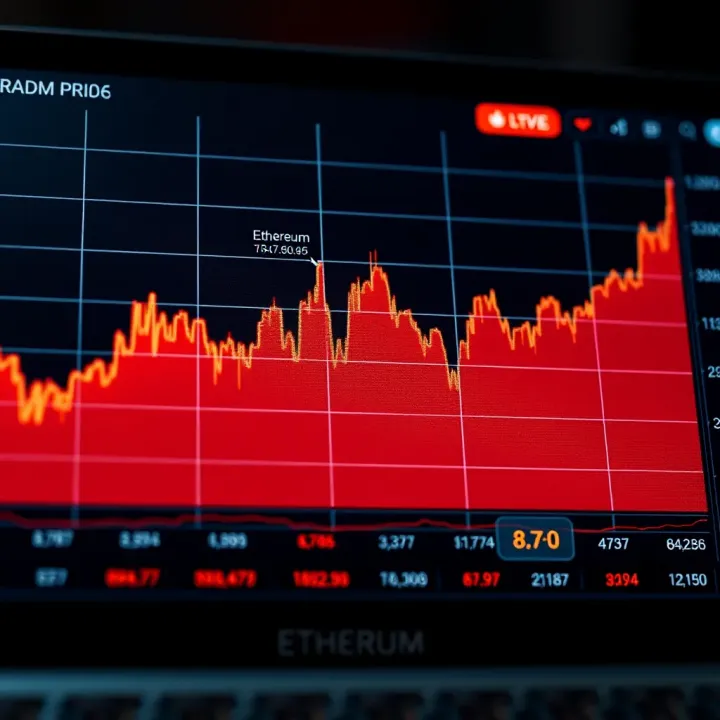
Understanding the Current Ethereum Price in India
Track Ethereum's (ETH) price trends 📈, understand market factors affecting value, and learn how Indian investors can monitor ETH effectively with easy tools 💹.
Edited By
Isabella Wright
Ethereum remains one of the top cryptocurrencies shaping the digital asset market worldwide, including in India. Understanding its price today involves more than just seeing the numbers—it requires a grasp of what influences these numbers and how they respond to both global and local events.
Ethereum’s value moves constantly, affected by demand, technological developments, market sentiment, and regulatory updates. Investors and traders watch these shifts closely, aiming to make well-timed decisions. For example, when a major upgrade like Ethereum 2.0 is expected, prices often react ahead of the event due to anticipation of improved scalability and lower transaction costs.
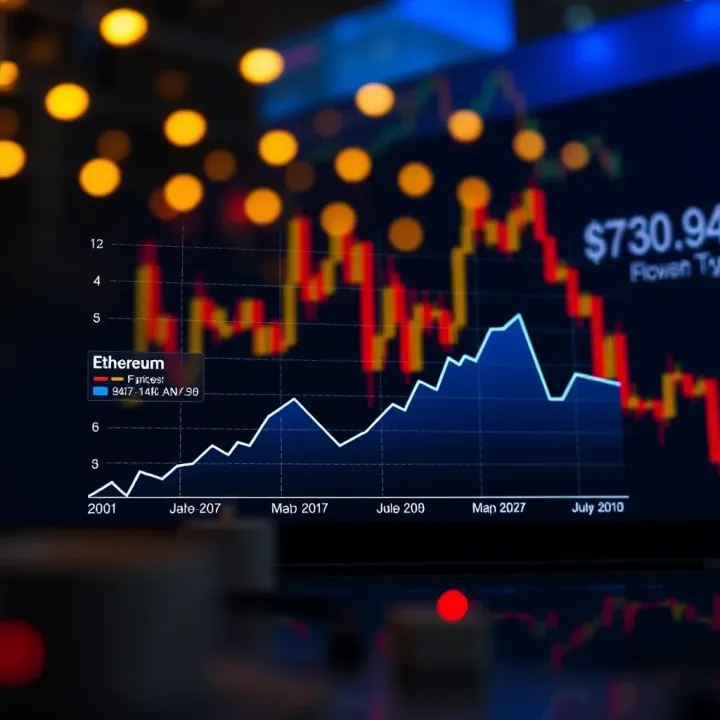
In India, Ethereum’s price also reflects specific factors such as exchange rates between the Indian Rupee (₹) and the US dollar, government policies on cryptocurrency, and the adoption rate by Indian enterprises. For instance, during periods of rupee depreciation, Ethereum priced in ₹ can appear to rise, even if its dollar value remains stable.
Tracking Ethereum price today means looking beyond charts—it’s about understanding the interplay of global crypto trends and India’s own market dynamics.
To keep updated, investors often rely on live price trackers on platforms like WazirX and CoinDCX, which provide real-time Ethereum price in ₹ along with volume and market cap data. Such live updates help catch sudden moves, especially during volatile market conditions.
For those serious about crypto, recognising key price drivers is essential:
Network Upgrades: Changes in Ethereum’s protocol can alter transaction speeds, costs, and security, impacting demand.
Regulatory News: Announcements from Indian regulators or the Reserve Bank of India (RBI) can lead to rapid price changes.
Market Sentiment: Fear and greed cycles, often influenced by global events or social media, can push price swings.
Adoption Rates: Growing use of Ethereum in DeFi (decentralised finance) and NFTs (non-fungible tokens) boosts its utility and value.
In summary, anyone involved in trading or analysing Ethereum must keep an eye on both technical and fundamental factors, with a clear understanding of how these elements play out in the Indian context. This knowledge helps navigate price changes smartly, rather than reacting to market noise alone.
Understanding what defines Ethereum's price today is key for anyone involved in trading, investing, or analysing this cryptocurrency. Ethereum stands apart not just as a digital asset but also as a platform that drives decentralised applications (dApps) and smart contracts. Hence, its price is shaped by both its network utility and wider market dynamics, making it essential to grasp these factors for informed decision-making.
Ethereum functions as both a cryptocurrency and an open-source platform for building decentralised applications. Unlike Bitcoin, which primarily acts as a digital currency, Ethereum allows developers to create and run smart contracts — self-executing contracts with terms directly written into code. This gives Ethereum a broader use case beyond simple transactions.
In practical terms, this means the Ethereum network supports a variety of applications like decentralised finance (DeFi), non-fungible tokens (NFTs), and supply chain management tools. Such diverse applications increase demand for the Ethereum ecosystem, often influencing its price.
Ether (ETH) is Ethereum’s native cryptocurrency, serving as the fuel for processing transactions and executing smart contracts on the network. Each operation requires a fee paid in ETH, called “gas”, which varies with network usage.
This use of ETH ties its value directly to the activity on the Ethereum platform. For instance, during periods with high DeFi or NFT trading, gas fees rise, pushing demand for ETH higher. Investors pay close attention to this correlation since increased network activity generally supports ETH’s price.
Ethereum’s supply is not fixed like Bitcoin’s 21 million cap, but recent protocol upgrades have introduced mechanisms reducing ETH issuance and burning coins, which decreases available supply over time. For example, the EIP-1559 upgrade implemented a base fee burn that permanently removes ETH from circulation, exerting upward pressure on price when demand stays steady or rises.
Demand, meanwhile, hinges on network adoption and investor interest. Large-scale projects launching on Ethereum, or surges in DeFi or NFT activity, can spike demand. Conversely, market sell-offs or competition from alternative blockchains may reduce demand and weigh on prices.
Ethereum’s price responds sharply to technological progress. The transition to Ethereum 2.0, aiming to shift from proof-of-work to proof-of-stake consensus, promises better scalability and lower transaction costs. Such upgrades often generate optimism, attracting new investors and increasing ETH’s value.
Delays or technical issues in upgrades may dampen confidence, triggering price drops. Keeping track of network performance and upgrade timelines proves essential for anticipating price movements.
Regulation significantly influences Ethereum’s price globally and in India. Announcements by agencies like the Securities and Exchange Board of India (SEBI) or Reserve Bank of India (RBI) regarding cryptocurrency guidelines create market reactions.
Positive regulatory clarity can boost investor confidence, encouraging institutional participation. However, fears of restrictive policies or outright bans lead to sudden price dips. Monitoring the evolving regulatory landscape helps traders and investors gauge risks and opportunities linked to Ethereum.
Grasping these core aspects — Ethereum’s platform nature, ETH’s ecosystem role, interplay of supply-demand, tech advances, and regulatory moves — equips you to understand why Ethereum’s price changes today and make better market calls.
Tracking Ethereum's current price is essential for traders, investors, and financial analysts aiming to make informed decisions. Knowing exactly where the price stands helps time investments, manage risks, and seize market opportunities. Since crypto markets operate 24/7 and can change rapidly, reliable and up-to-date price information is critical.
Cryptocurrency exchanges such as WazirX, CoinDCX, and Binance India provide real-time price updates and trading volumes for Ethereum. These platforms are the primary source for live market prices because they reflect actual buy and sell orders happening on their network. Traders benefit from using these platforms as they can execute transactions instantly based on the latest price.
Besides displaying live prices, exchanges offer tools like order books and trade history, which help analyse market depth and trends. For instance, a sudden spike in sell orders on WazirX can signal short-term price pressure, crucial for intraday traders. However, prices may slightly differ across exchanges due to liquidity and regional demand variations.
Financial news portals like Moneycontrol and Economic Times have started incorporating cryptocurrency price tickers along with expert commentary. These websites are useful for investors seeking price updates alongside broader market analysis and related news, such as regulatory changes or macroeconomic events influencing Ethereum.
For example, when SEBI announces new guidelines impacting crypto trading, these sites provide quick price snapshots and explain implications, helping investors gauge potential volatility. This combined view of price and news provides context absent from pure trading platforms.
Apps like CoinStats and Delta help investors track Ethereum prices within their broader crypto portfolios. These apps aggregate live prices from multiple exchanges and update users on portfolio performance in real time.
Such portfolio management tools aid in seeing the impact of Ethereum's price fluctuations on overall investments at a glance, especially for individuals holding multiple coins. Notifications for significant price changes or market news also keep users alert to trading opportunities or risks.
Ethereum is known for its price volatility, which means its value can swing sharply within short periods. This volatility presents both risks and opportunities. Traders often leverage volatility to book profits in short-term trades, whereas long-term investors must be prepared to weather these ups and downs.
Awareness of volatility helps investors avoid panic selling during dips and recognise when price swings might open buying windows. For instance, during a market correction, Ethereum might drop 10-15% in a day, but understanding its typical volatility range can prevent hasty decisions.
Charts are vital tools for analysing price trends. Candlestick charts display opening, closing, high, and low prices within a chosen period, revealing patterns like bullish or bearish trends. Line charts, on the other hand, offer a cleaner view of closing prices over time.
For example, spotting a ‘hammer’ candlestick after a downtrend suggests potential reversal, useful for timing entries. Financial analysts often use these charts alongside technical indicators to predict future price moves. Mastery of chart reading enhances strategic decision-making rather than relying on numeric price alone.
Monitoring Ethereum’s price through multiple channels and understanding how to read market data equips you to respond swiftly to changes and make smarter investment choices.
In summary, combining exchange data, news insights, and technical chart reading forms a comprehensive approach to tracking Ethereum’s price today. This method ensures accuracy, timely updates, and deeper awareness of market behaviour.
Understanding the influence of global and Indian market trends is vital for grasping the volatility and directional movements of Ethereum’s price. These trends shape investor sentiment and affect liquidity, making them key factors for anyone tracking or investing in Ethereum.
International policies and breaking news can sway Ethereum’s price significantly. For instance, when the United States Federal Reserve signals interest rate hikes, investors often move away from riskier assets like cryptocurrencies, causing prices to drop. Similarly, geopolitical tensions or trade wars create uncertainty, prompting rapid sell-offs. During the 2022 Russia-Ukraine conflict escalation, Ethereum’s price fell alongside wider market jitters. Such events highlight how global politics and economic decisions trickle down to digital asset markets.
Ethereum’s price also correlates with Bitcoin and other cryptocurrencies, as they often move in tandem due to shared investor bases and market sentiment. When Bitcoin rallies, it usually pulls Ethereum up as well, although the degree can vary. For example, the massive Bitcoin surge in late 2020 lifted ETH prices, but at times, Ethereum’s unique upgrades or network issues have caused its price to diverge temporarily. Keeping an eye on Bitcoin’s performance alongside alternative coins helps in spotting trends or headwinds for Ethereum.
India’s regulatory environment, shaped by the Securities and Exchange Board of India (SEBI) and the Reserve Bank of India (RBI), has a direct impact on Ethereum’s availability and investor confidence. SEBI’s contemplation over classifying certain tokens as securities affects how exchanges list and trade Ethereum. Meanwhile, RBI’s past restrictions—like blocking banks from servicing crypto exchanges—have tightened liquidity. Recent easing and clearer guidelines have brought fresh optimism, encouraging more participation.
Investor behaviour in India is evolving rapidly, reflecting growing awareness and willingness to embrace cryptocurrencies. Platforms like WazirX and CoinDCX record surges in new sign-ups during festive seasons and after positive regulatory news. Indian investors are increasingly treating Ethereum not just as a speculative asset but as part of a diversified digital portfolio, often combining it with traditional investments. However, price volatility occasionally triggers cautious sentiment, leading to short-term selling pressure, especially among retail investors. Understanding these nuances can help foreign and domestic traders anticipate market moves tied to India’s unique crypto landscape.
Keeping pace with both global waves and Indian market currents is essential for anyone serious about Ethereum trading or investment in today’s interconnected economy.
Investing in Ethereum requires careful consideration of security and market risks. With rising scams and volatile price movements, knowing safe investment methods is crucial if you want to protect your capital and make smarter decisions.
The first step to safely hold Ethereum (ETH) is to use well-known exchanges like WazirX, CoinDCX, or international ones such as Binance and Coinbase. These platforms follow regulatory requirements and have strong security measures like two-factor authentication (2FA) and withdrawal whitelists. Avoid keeping large amounts of ETH on exchanges for long periods. Instead, transfer your holdings to trusted wallets.
For wallet storage, hardware wallets such as Ledger Nano S or Trezor offer an offline solution, preventing online hacks. Alternatively, software wallets like MetaMask or Trust Wallet provide good usability but depend on device security. Always back up private keys carefully, as losing these means losing access to your ETH permanently.
The crypto space in India and globally attracts fraudulent schemes promising quick returns. Be wary of unsolicited investment offers via social media or WhatsApp groups, especially those asking for upfront payments or private keys. Ponzi schemes and phishing attacks remain common.
Always verify platforms through user reviews and regulatory compliance. Avoid schemes promising unrealistic returns or requiring referral-based investments. Scam projects often use names similar to popular tokens; double-check contract addresses before transactions. Keeping updated with SEBI and RBI advisories helps spot risks in Indian market contexts.
Ethereum prices tend to swing dramatically within short periods, influenced by global news, tech upgrades, or regulatory announcements. This volatility can lead to quick profits but also sudden losses. Market sentiment driven by hype or fear plays a big role, especially around events like Ethereum network updates.
Traders should monitor price charts closely and use tools like stop-loss orders to limit downside risks. Investors must stay calm during sharp price changes and avoid panic selling.
Long-term investors often hold ETH anticipating growth from technological advancements like Ethereum 2.0. This approach requires patience during dips, trusting the network's future potential.
Short-term trading targets rapid price movements by buying low and selling high within days or weeks. This needs disciplined research, quick action, and risk management.
Both strategies can work but suit different risk tolerances and market understandings. Understanding your own financial goals and time horizon is key before entering the Ethereum market.
Investing in Ethereum safely involves choosing secure platforms, avoiding scams, and balancing risk with clear strategies. This will help you navigate price swings confidently and maximise your chances of returns.
By following these practical safeguards and investment approaches, traders and investors can participate in Ethereum's promising ecosystem while protecting their capital.
Understanding the outlook on Ethereum’s price movements helps traders and investors anticipate potential shifts in the market. This insight is particularly useful for those aiming to make informed decisions based on emerging trends and events rather than just reacting to current price changes. A clear outlook can also provide a practical edge when balancing risks and opportunities in a volatile crypto environment.
Ethereum 2.0 represents a significant overhaul of the Ethereum blockchain, aimed at improving scalability, security, and energy efficiency through a shift from Proof of Work (PoW) to Proof of Stake (PoS). This upgrade directly influences Ethereum's price because it addresses major concerns like high transaction fees and slow processing times that often discourage users and investors.
For instance, the introduction of PoS reduces the network’s carbon footprint substantially, making it more attractive amid global calls for greener technologies. This environmental angle has already caught the attention of institutional investors who prefer assets aligned with sustainable practices. Thus, Ethereum 2.0 can act as a catalyst for increased adoption and, subsequently, price appreciation.
Several factors could trigger Ethereum’s price fluctuations going forward. One key catalyst includes the wider adoption of decentralized finance (DeFi) applications and non-fungible tokens (NFTs) built on the Ethereum platform. Growing user engagement in these areas increases demand for Ether (ETH), the cryptocurrency used for transaction fees and smart contract execution.
On the regulatory front, decisions by bodies like the Securities and Exchange Board of India (SEBI) or Reserve Bank of India (RBI) on crypto policies can impact investor sentiment and liquidity. Any clarity or favourable regulation could boost confidence, leading to price gains. Conversely, stringent rules might trigger selling pressure.
Watching these catalysts helps investors position themselves ahead of moves, whether by buying, holding, or cautiously exiting their Ethereum investments.
In summary, the outlook on Ethereum price depends on how effectively technological upgrades roll out and how market catalysts, including DeFi growth and regulatory changes, unfold. Traders and analysts should keep an eye on these elements to better navigate the price movements.
Track Ethereum's (ETH) price trends 📈, understand market factors affecting value, and learn how Indian investors can monitor ETH effectively with easy tools 💹.
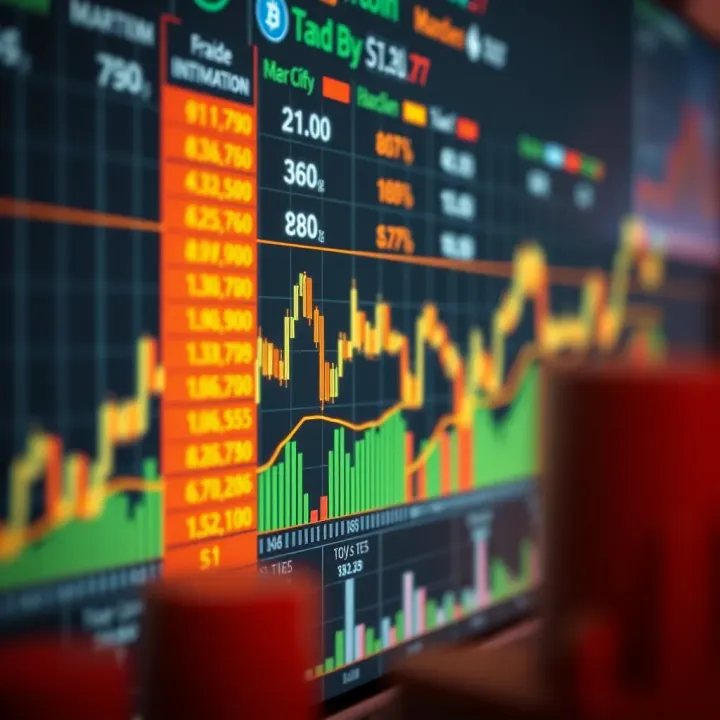
📈 Get today’s detailed Bitcoin price predictions based on current market trends, data tools, and key factors shaping price moves in India’s crypto market.
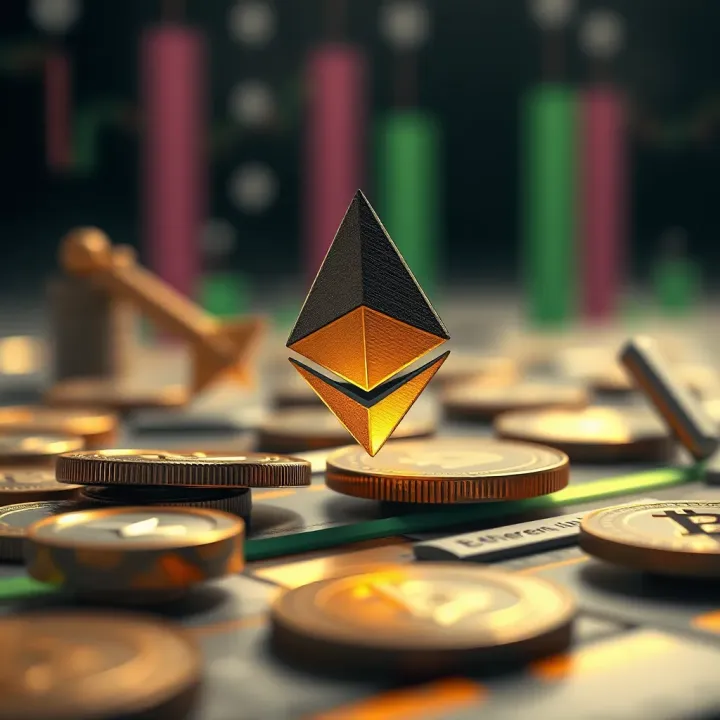
Explore Ethereum's future price trends and factors like tech upgrades, market shifts, regulations, and expert forecasts to make informed investment decisions 📈💡
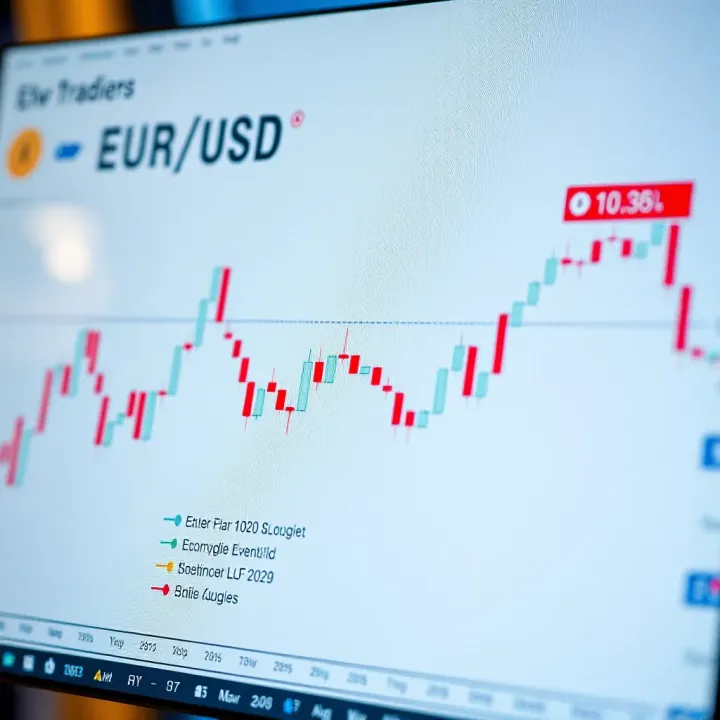
📊 Stay updated on EUR/USD trends today with insights on economic indicators, global events, and monetary policies shaping the currency pair's direction. 💹
Based on 5 reviews