
Demo Trading Accounts in India: A Practical Guide
Explore how demo trading accounts let you practise stock trading in India risk-free 📈. Learn setup tips, top platforms & improve your skills effectively.
Edited By
Henry Clarke
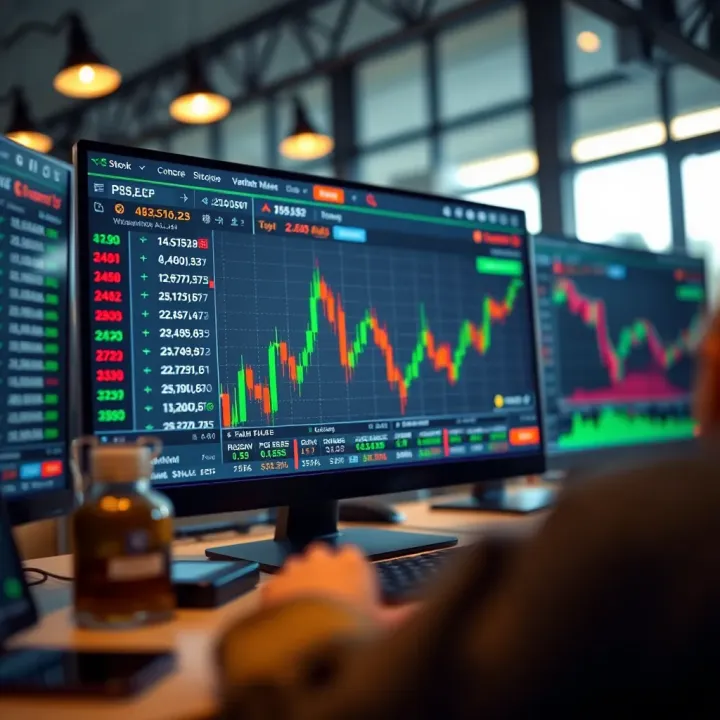
Free demo trading accounts offer a risk-free way for traders to sharpen their skills without putting real money at stake. These accounts simulate real market conditions, allowing users to buy and sell stocks, commodities, or currencies using virtual funds. For Indian traders, who are increasingly exploring markets like NSE and BSE, demo accounts provide a valuable playground to understand market dynamics and test strategies before stepping into live trading.
Unlike live accounts where your capital is exposed to market fluctuations, demo accounts use virtual cash—typically ₹1 lakh to ₹10 lakh—that you cannot withdraw but can trade with just the same. This experience helps traders spot patterns, practise order placement, and manage their portfolios without pressure.
Using demo accounts, investors can avoid costly mistakes that new entrants often make due to emotional decision-making or lack of experience.
Demo trading platforms from brokers such as Zerodha, Upstox, and Angel One offer features like real-time price updates, charting tools, and historical data. These enable users to analyse trends and make informed decisions. Choosing the right demo account depends on factors like ease of use, availability of instruments, and similarity to live trading environments.
Overall, demo trading accounts serve as a training ground, enabling traders to learn, adjust strategies, and build confidence before moving to actual trading on platforms regulated by SEBI.
A free demo trading account is a virtual platform that allows individuals to simulate trading activities using virtual money, mimicking real market conditions. This tool is essential for traders, investors, and analysts looking to sharpen their skills without risking capital. For example, a beginner investor in Mumbai can use a demo account to understand the order placement process on the National Stock Exchange (NSE) before committing real funds.
A simulated trading environment replicates the stock market experience without actual financial consequences. Users get access to trading interfaces identical to live accounts, complete with real-time charts and order execution options. This helps traders test strategies like technical analysis or intraday trading under conditions closely resembling the live market.
Unlike watching market trends passively, using a simulated setting enables hands-on practice. For instance, a trader testing a new momentum strategy can observe its effectiveness in different market scenarios without the stress of losing real money.
For novices, demo trading accounts are invaluable because they offer a no-risk learning ground. New traders can make mistakes, refine their approach, and understand market mechanics while using virtual funds. Such practice builds confidence necessary to transition into live trading.
Consider a first-time investor in Bengaluru trying to grasp the difference between limit and market orders. The demo platform lets them place various orders and see their outcomes immediately, helping clear doubts without potential financial harm.
A key distinction is that demo accounts use imaginary funds supplied at the start, often ranging from ₹1,00,000 to ₹5,00,000 virtual balance. While users experience actual trading commands, losses or gains do not affect their real bank accounts.
This separation means traders can afford to experiment boldly. For example, they might test high-risk strategies that wouldn't be practical with actual money. However, this also means they miss the emotional pressure tied to real capital, a factor that influences decision-making.
Demo platforms typically provide live streaming prices and matching market data to simulate real conditions. Yet, certain market elements like slippage, order execution delays, and sudden volatility spikes may not be fully replicated.
For instance, during periods of extreme market movements, actual traders could face order rejections or unexpected price changes, while demo users might see smoother executions. Thus, while demo accounts give a good approximation, they cannot mirror every nuance of live trading.
Using a free demo trading account first not only helps understand trading mechanics but also exposes limitations, preparing one better before engaging with live markets.
Ultimately, demo accounts serve as a stepping stone, bridging theoretical knowledge and real-world trading experience with a safety net.
Demo trading accounts offer a range of features that closely mimic live trading environments, making them ideal for learning and practising. Understanding these key features helps traders get the most out of the demo experience, whether they are beginners testing waters or experienced investors refining strategies.
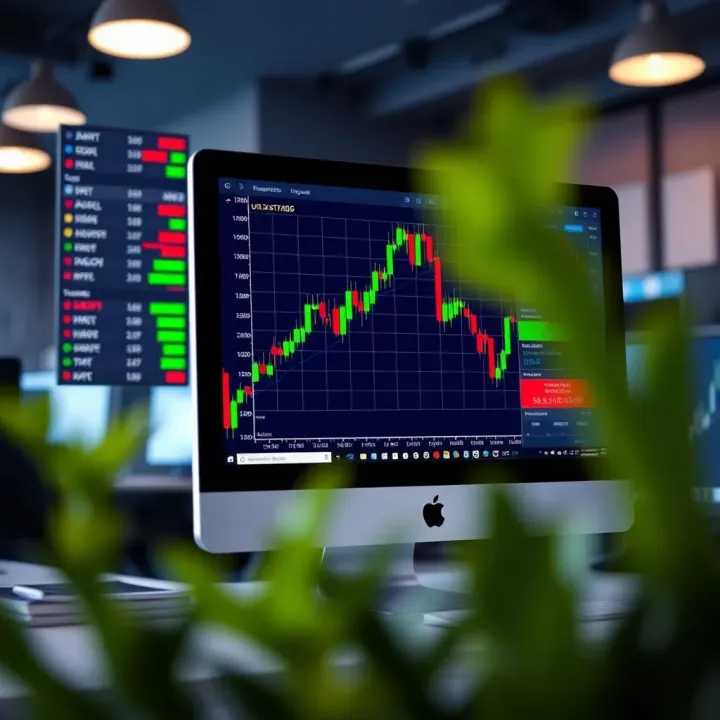
Preloaded virtual balance is a cornerstone of demo accounts. Typically, traders receive a sum of virtual money—often ₹10 lakh or more—to trade freely. This setup allows you to experiment with buying or selling shares without the risk of losing actual money. For instance, if you want to test a short-term intraday strategy with ₹5 lakh, the demo account ensures you can execute this without worrying about financial loss.
Replenishing virtual funds keeps the learning curve smooth. Demo accounts usually allow refilling your virtual balance once it runs low, so you don’t get stuck mid-practice. This feature lets you try out various scenarios from scratch. Imagine depleting your funds after several trades; topping up allows you to reset your learning and explore different market conditions repeatedly, which is particularly helpful before switching to real funds.
Charting and technical analysis tools are essential for evaluating market movements. Demo accounts provide access to these features, enabling you to identify trends, analyse price patterns, and apply indicators like Moving Averages or RSI. For example, you can chart Nifty 50 index movements over the past month and test how your trading signals hold in different phases—something difficult to practise without proper tools.
Order types and execution in demo accounts replicate real trading closely. You can place market orders, limit orders, stop-loss orders, and more, understanding how each functions. Practising order execution helps improve timing and order management. For example, placing a stop-loss in your demo trade teaches discipline in risk management, essential when you move to live markets.
Live streaming prices ensure demo traders follow actual market movements. The prices update in real time, helping you react to market shifts just like in real trading. This feature lets you develop the skill to respond promptly without delays, crucial for fast-moving segments like equities and commodities.
Note that while prices are live, some demo accounts might show differences in data delay or accuracy compared to live platforms. Data feeds might be delayed by a few seconds or lose certain precision, especially during volatile sessions. Traders must be aware of this to avoid unrealistic expectations.
For example, a sudden price spike in the real market could take a brief moment to reflect on the demo platform, affecting how you practise quick decision-making.
Understanding these features helps you treat demo accounts as serious practice grounds rather than mere simulations. Using virtual funds effectively, leveraging advanced tools, and trusting but verifying market data accuracy makes your learning thorough and prepares you for live trading challenges.
Using a free demo trading account offers a safe environment to understand the markets and hone your skills without risking real money. This benefit is vital for beginners and even for seasoned traders who want to test new strategies or platforms before committing actual funds.
A demo account lets you trade with virtual money, removing the fear of losing your hard-earned savings. When starting out, many find the financial risk intimidating, which can affect decision-making and lead to hesitancy. Demo trading removes this pressure, allowing you to focus on understanding market behaviour. For instance, an investor testing stock market trades for the first time in a demo can observe price movements and order executions calmly, without the stress of real losses.
Demo accounts provide the leeway to try different trading strategies freely. Whether it’s day trading momentum stocks or swing trading in the commodities market, you can evaluate what suits your style and risk appetite. Suppose you want to try options trading but lack experience; a demo account helps you explore this complex area and learn how option premiums work without financial exposure. It’s like getting practical experience in a flight simulator before taking off in an actual plane.
Getting comfortable with a trading platform is crucial. Demo accounts enable traders to learn how to navigate menus, use charting tools, and place various order types (like limit and stop-loss orders) without confusion. For example, a trader new to Zerodha’s Kite platform can practise placing orders, setting alerts, and monitoring positions, which smoothens the transition to live trading. Knowing this in advance can prevent costly mistakes caused by unfamiliarity.
Different brokers offer varied features on their platforms, such as advanced charting, algorithmic trading options, or integrated news feeds. With a demo account, you can explore these features hands-on. Take Upstox, which offers comprehensive mobile and desktop tools; using its demo account helps you test tools like two-factor authentication, watchlists, and indicators before investing real money. Understanding these platform-specific functionalities improves your efficiency and trading confidence.
Using a demo trading account not only educates you on market mechanics but also makes the actual trading experience less daunting, helping sharpen your skills and decision-making for the real market.
Choosing the right demo trading account plays a vital role in building your trading skills effectively. Not all demo accounts are created equal — their features, accessibility, and trustworthiness can vary a lot. For Indian traders, selecting an account aligned with local regulations and market realities ensures a smoother transition to real trading. This section focuses on practical aspects like regulatory compliance, user experience, and market coverage that you should weigh before picking a demo trading platform.
The Securities and Exchange Board of India (SEBI) regulates stockbrokers and trading platforms in India to protect investors from fraud and malpractice. When choosing a demo account, it’s important to pick platforms associated with SEBI-registered brokers. This alignment ensures that the demo experience mirrors the compliance and operational standards of actual trading setups in India. For example, a demo account offered by brokers like Zerodha or Upstox, both SEBI-registered, provides a reliable simulation reflecting Indian market conditions.
Reputation matters because a trustworthy broker typically offers a stable and accurate demo environment. Well-known brokers have invested resources to build smooth platforms with real-time data and good customer support. Reading user reviews and consulting financial forums can help gauge the broker’s credibility. Avoid demo accounts linked to unknown or unregulated entities, as these may present outdated data or unreliable functionalities that mislead your practice sessions.
In India, many traders prefer using mobile devices due to easy accessibility and on-the-go monitoring. A good demo account must be compatible with both desktop and mobile apps, offering the same features smoothly across devices. For instance, the Kite platform by Zerodha provides a consistent experience on both web browsers and mobile, letting you practise anywhere. Compatibility ensures you don’t miss out on learning platform skills just because you are switching devices.
Language options influence how easily you navigate a platform. Demo accounts offering localisation in major Indian languages like Hindi, Tamil, or Telugu can make the learning curve gentler for users less comfortable with English. Besides language, regional settings like time zone and currency display (₹ Indian Rupees) add to usability. For example, Angel Broking’s app supports Hindi and English, making it accessible to a broader range of traders across India.
A comprehensive demo account will let you practise across various markets relevant to Indian investors. Equities (shares of companies) represent the primary segment many beginners focus on, but derivatives like futures and options are increasingly popular. Commodities such as gold, crude oil, and agricultural products also attract traders. Practising on instruments found on the National Stock Exchange (NSE) and Bombay Stock Exchange (BSE) helps you understand market dynamics better. Platforms like Upstox include all these markets in their demo accounts, broadening your exposure.
Forex trading interest is growing in India, especially with cross-border businesses and NRIs trading currency pairs like USD/INR, EUR/INR. Demo accounts that incorporate currency pairs and popular indices (like Nifty 50, Sensex) allow users to diversify practice beyond equities. This experience helps in grasping how global economic events influence Indian markets. For example, the demo trading feature in platforms like ICICI Direct covers currency pairs and indices, preparing you for varied trading scenarios.
The right demo trading account in India isn’t just about free practice — it should replicate real trading conditions with trusted brokers, user-friendly interfaces, and access to Indian financial markets. Considering these factors upfront can save time and build confidence faster as you move to live trading.
Using a demo trading account effectively means treating it as seriously as you would a real account. Demo accounts offer a risk-free environment, but without a disciplined approach, their full potential remains untapped. Setting clear goals, tracking performance, and making a careful transition to live trading are key steps to make the practice worthwhile.
Simulating real market conditions helps you prepare for actual trading by mimicking the ups and downs of the market without financial loss. For example, treating your demo funds like real money encourages better decision-making. If you practice placing orders during volatile market hours, it helps you understand slippage and order execution delays common in Indian markets such as the NSE or BSE.
Developing discipline on a demo platform is just as important as picking the right trades. Sticking to your trading plan—even when it means sitting out potential opportunities—builds self-control, reducing emotional decisions. This can stop you from chasing losses or overtrading when you switch to live accounts.
Tracking performance means keeping a systematic record of every trade: the entry price, exit price, reason for the trade, and outcome. This data helps identify what works and what doesn’t. Many Indian traders maintain Excel sheets or use platform-specific trading journals to spot patterns over weeks or months.
Learning from mistakes is straightforward only if you review your records honestly. For instance, if you repeatedly lose money trading a particular stock or strategy, look closely at why. Did news events affect the price? Or was it poor timing? This reflection is crucial for avoiding repeated errors in live trading.
Consistently updating your trade journal and analysing outcomes turns simple practice into genuine learning.
When to switch from a demo to a live account depends on your confidence and consistent profitability during practice. If you find your simulated gains reliable over several weeks or months, it may be time. Starting with small amounts helps balance risk while you adjust to real emotions.
Managing psychological factors such as fear and greed is where many beginners struggle. The first real losses can shock you even if you mastered the demo. Having practised discipline and reviewed your trades for lessons on the demo platform, you’ll manage stress better. Remind yourself that losses are part of trading and focus on the process over occasional setbacks.
By using your demo trading account strategically—setting clear goals, recording your performance, and preparing psychologically—you create a strong foundation for successful live trading in India’s markets.
Explore how demo trading accounts let you practise stock trading in India risk-free 📈. Learn setup tips, top platforms & improve your skills effectively.
Explore real trading platforms in India 📈 Learn their features, benefits, and tips to pick the right one for your trading style and security needs 🔒
📊 Learn how Quotex free signals work, their benefits and risks, and tips for choosing reliable sources to boost your trading strategy with confidence.

Find the best trading website in India 🖥️ with top features like security 🔒, low fees, research tools 📊, and expert customer support 📞 to trade confidently.
Based on 12 reviews