

Choosing the Best Trading Apps in India
Explore top trading apps in India 📱 Compare features, ease of use, costs, and security to pick the best platform for your trading style. Stay updated and trade smart!
Edited By
Edward Reynolds
Employee performance management plays a significant role in shaping business outcomes. It is not just about tracking daily work but about aligning each employee’s efforts with the organisation’s goals. This ensures productivity, engagement, and consistent development.
In Indian companies, where workforce diversity and evolving market demands pose unique challenges, a structured performance management system becomes necessary. Companies like Tata Consultancy Services and Infosys use frameworks tailored to help employees grow while meeting business objectives. They balance individual ambitions with organisational needs.
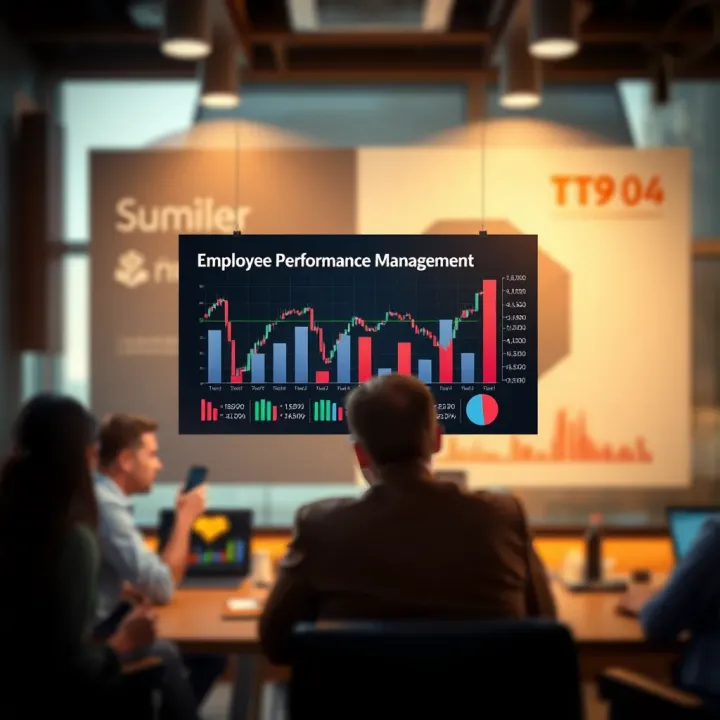
A well-designed performance management process includes setting clear expectations, regular feedback, and unbiased evaluation. It helps managers identify skill gaps, motivate employees, and plan career paths. This not only improves individual performance but also supports retention and reduces attrition costs.
Effective performance management is a continuous loop of communication, feedback, and adjustment. Sporadic yearly reviews alone won't cut it anymore.
Performance management methods vary widely, ranging from traditional annual appraisals to continuous performance conversations enabled by digital tools. Modern Indian firms increasingly adopt technology-driven platforms such as SAP SuccessFactors or Zoho People, allowing real-time tracking and data-backed insights.
Investors and financial analysts should note that efficient employee performance management directly impacts operational efficiency and profitability. Firms that implement robust systems tend to report better workforce productivity, directly influencing market valuation.
Key elements to focus on:
Goal Setting: Agreeing on measurable and realistic targets
Ongoing Feedback: Encouraging open dialogue between employees and supervisors
Performance Evaluation: Using objective criteria to assess outcomes
Employee Development: Offering training or mentoring to bridge capability gaps
Understanding these components helps in gauging the health of management practices in an organisation, critical for making informed investment decisions or business assessments.
In essence, employee performance management acts as a bridge between strategy and execution, helping organisations stay agile and competitive in a fast-changing economy.
Employee performance management is essential for businesses aiming to keep their workforce productive and aligned with corporate objectives. For traders, investors, or financial analysts, understanding this process helps evaluate a company's operational strength and management quality, which directly affect profitability and growth prospects.
Employee performance management involves systematic processes that assess and improve individual and team productivity. It’s not just about annual reviews but continuous alignment of employee goals, feedback, and development. For instance, a brokerage firm might use performance management to ensure its analysts meet report submission deadlines and maintain data accuracy.
The core elements include goal setting, regular monitoring, feedback, coaching, and appraisal. These elements work together to build a performance culture. For example, if a financial services company sets monthly targets for client acquisition, the management regularly tracks progress, provides real-time feedback, and offers necessary support, thereby fine-tuning employee output continuously.
A sharp focus on employee performance management can noticeably boost productivity. By setting clear expectations and monitoring progress, organisations identify skill gaps and operational bottlenecks quickly. Take a stockbroker’s back-office team: if delays in client onboarding are discovered early via performance metrics, managers can introduce targeted training or process changes to improve efficiency.
The approach ensures employees’ activities contribute directly to organisational priorities. This alignment is vital in sectors like financial services where individual efforts impact client satisfaction and regulatory compliance. For example, investment advisors aligning their sales targets with broader company objectives help the firm achieve consistent revenue growth while maintaining compliance with SEBI regulations.
Effective employee performance management creates a transparent work environment, encouraging accountability and enabling timely course correction—key factors for a company's sustainable success.
By understanding these fundamentals, stakeholders can better assess how a firm's human capital contributes to its overall health, directly impacting investment decisions and financial analysis.
Using the right tools and techniques makes performance management more efficient and transparent. This chapter is key to helping organisations measure, manage, and improve employee output systematically. Tools like performance appraisals, feedback mechanisms, and clear metrics give managers a reliable way to track progress and solve issues early.
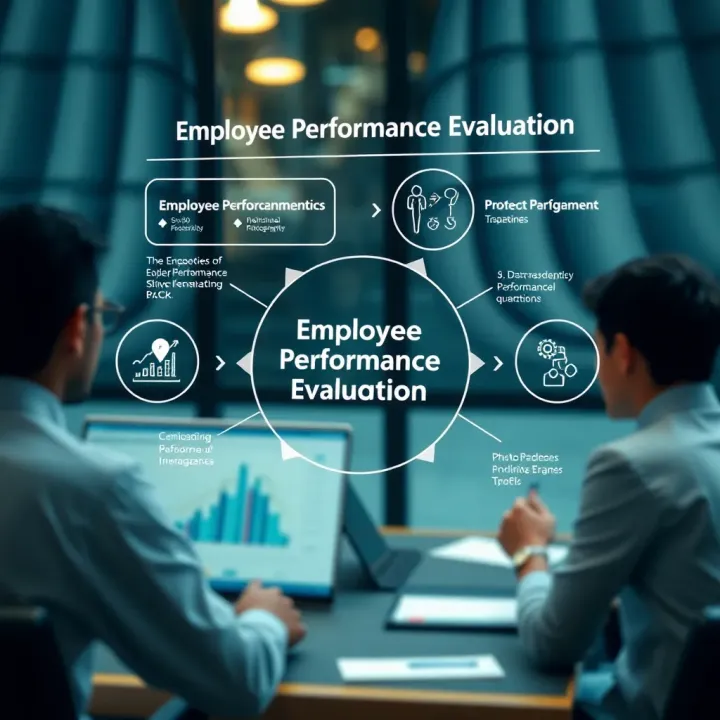
Annual appraisals remain a staple in many Indian companies, especially in traditional sectors. These once-a-year reviews mainly focus on evaluating the year's achievements and setting goals for the next period. While this works for some, it often misses opportunities to address performance gaps quickly. In contrast, continuous appraisal models, gaining ground in startup culture and modern firms, involve regular check-ins—sometimes monthly or quarterly. This real-time feedback helps employees course-correct swiftly.
For example, an IT firm in Bengaluru shifted from annual to quarterly reviews, which helped spot skill gaps early and offer timely training. The continuous model also encourages a culture of open communication, reducing anxiety around yearly evaluations.
360-degree feedback gathers opinions from peers, managers, subordinates, and even customers, providing a rounded picture of an employee's performance. This method reduces bias that comes with single-source evaluations, offering more honest and comprehensive insights. Particularly in matrix organisations or client-facing roles, this feedback highlights skills like teamwork, communication, and client handling better than top-down assessments alone.
Indian IT and consulting firms use 360-degree feedback to evaluate leadership potential and teamwork behaviour effectively. It also supports individual development by exposing blind spots managers might miss.
SMART goals—Specific, Measurable, Achievable, Relevant, and Time-bound—serve as the foundation for clarifying expectations. Setting goals this way makes it easier to track progress. For instance, instead of telling a sales executive to “improve sales,” a SMART goal would say, “Increase quarterly sales by 10% in the Mumbai region by 30 June.”
This clarity helps employees stay focused and motivated, while managers get clear indicators for appraisal. Indian businesses can integrate SMART goals within the overall business strategy, aligning individual targets with organisational success.
Objective measurement relies on quantifiable data rather than subjective opinion. Common metrics include sales numbers, project completion rates, error counts, or customer satisfaction scores. When companies track these numbers consistently, they can identify trends, highlight top performers, and justify rewards or corrective actions without ambiguity.
Take a manufacturing firm in Pune using defect rates and output quantity as key metrics; this data-driven approach reduced quality issues by 15% within a year. Objective measures also help curb favouritism common in subjective assessments, improving fairness.
Transparent, consistent tools create a culture where employees know exactly where they stand and what’s expected, driving both individual growth and business success.
Managing employee performance comes with its share of challenges that organisations must navigate carefully. These challenges can directly impact productivity, morale, and the overall business outcomes, especially in dynamic Indian workplaces where diversity and hierarchy add layers of complexity.
Bias and subjectivity often creep into performance appraisals, affecting fairness and accuracy. For example, a manager might rate employees higher based on personal rapport rather than actual results. This can demotivate other team members and create a sense of injustice. Subjectivity usually stems from unclear evaluation criteria or insufficient training for appraisers. In Indian companies, hierarchical relationships can influence ratings, skewing assessments away from merit.
Organisations benefit when they standardise performance reviews with clear metrics linked to job roles. Tools like 360-degree feedback help by collecting input from multiple sources, reducing individual bias. This approach promotes transparency and improves trust in the appraisal process.
Resistance to performance management is common. Employees may feel threatened by reviews or fear punitive actions. In some cases, this resistance results in disengagement, lowering overall motivation. For instance, if an employee suspects bias or inconsistencies in evaluation, they may lose faith in the system altogether.
Handling resistance requires open communication and involving employees in setting their goals. Motivating staff means linking performance to tangible rewards such as promotions, bonuses, or skill development opportunities. Indian workplaces often witness a stronger response when performance management aligns with career growth prospects, making motivation a key factor to manage.
Before taking corrective steps, it's crucial to understand why performance is lacking. Poor output might result from unclear job expectations, lack of skills, inadequate resources, or personal issues. For example, in a call centre, a dip in performance could be due to outdated software slowing down work, rather than an employee's ability.
Organisations that dig deep into these causes avoid misjudging employees and address problems accurately. Conversations focusing on facts and data help pinpoint issues, enabling tailored solutions rather than one-size-fits-all actions.
Once root causes are clear, organisations can implement corrective actions with support structures. This could include training programmes, mentoring, or reassigning tasks to better fit the employee's strengths. Constructive feedback delivered with empathy encourages improvement instead of fear.
For instance, if a sales executive struggles due to poor product knowledge, targeted training sessions improve confidence and results. Support systems like peer coaching or wellness initiatives also help sustain performance over time.
Addressing performance challenges systematically helps Indian organisations build a culture of fairness, growth, and accountability, which ultimately benefits both employees and business outcomes.
Sustaining effective performance management requires a firm commitment to best practices that foster continuous improvement and employee engagement. Organisations must focus on clear communication, regular feedback, and ongoing development to keep performance levels high and aligned with business goals. Neglecting these elements often leads to stagnation or decline in output, even in otherwise skilled teams.
Regular feedback sessions are vital in addressing performance issues before they magnify. Instead of relying solely on annual appraisals, Indian companies like Infosys and Tata Steel have found success in quarterly or even monthly check-ins to keep employees informed about their progress. This timely interaction helps clarify expectations, recognises achievements, and identifies areas needing improvement. It also creates a transparent environment where employees feel valued and understood.
Constructive performance conversations go beyond pointing out flaws; they focus on motivating employees with actionable suggestions. For example, a financial analyst struggling with report accuracy might receive specific advice on data validation techniques alongside encouragement. This balanced approach prevents demoralisation and encourages problem-solving. Managers trained to conduct such conversations create trust and openness, reducing resistance and boosting morale.
Skill enhancement programmes tailored to individual roles improve employee capabilities and job satisfaction. A brokerage firm may offer periodic workshops on emerging trading platforms or regulatory updates, helping traders stay current. Such programmes not only sharpen expertise but also demonstrate the company's investment in staff growth. Employees who gain new skills tend to deliver better results, directly benefiting organisational performance.
Providing visible career growth paths keeps employees motivated to maintain high performance. For instance, investment analysts might have clear steps to progress into senior analyst or portfolio manager roles, accompanied by mentorship support. Organisations like HDFC Bank have implemented structured career ladders, which reduce attrition by aligning individual aspirations with company needs. This clarity drives employees to commit long-term and improve continuously.
Consistent application of communication, feedback, and development practices creates a performance culture that sustains itself, turning challenges into growth opportunities.
By sticking to these best practices, Indian firms can enhance employee engagement, reduce turnover, and achieve steady improvements in performance management outcomes.
Technology plays a significant role in modern performance management by simplifying processes and enhancing accuracy. Organisations, especially in India’s fast-growing sectors like IT and BFSI, now rely on digital tools to track and evaluate employee performance. These solutions help maintain transparency, improve communication, and provide real-time insights, which are vital for informed decision-making.
Features to Look for in Software
When choosing performance management software, key features include goal setting, continuous feedback channels, and automated appraisal workflows. The software should support customised KPIs to match specific organisational needs and allow easy integration with existing HR systems. For example, platforms like Zoho People and Freshteam cater to Indian businesses by offering localisation options and compliance with local labour laws.
Moreover, access control and data security are critical. Organisations must ensure that sensitive employee information remains protected, especially with increasing data privacy concerns in India. Mobile compatibility also matters since many employees in tier-2 and tier-3 cities rely on smartphones to engage with such platforms.
Benefits of Digital Tracking
Digital tracking eliminates the delays and errors common with manual record-keeping. Continuous performance updates offer managers timely data to address issues early, reducing surprises during annual reviews. For instance, a sales manager can monitor individual targets and progress week-by-week, rather than waiting until end-of-quarter reports.
Tracking software also supports objective assessments by collecting data from multiple sources, including peer reviews, project outputs, and attendance. This multifaceted feedback reduces bias and gives employees clearer views of their performance. Indian organisations valuing meritocracy find this especially useful in fast-paced environments where regular check-ins are tough to organise in person.
Streamlining Data Management
Integrating performance management tools with existing Human Resource Information Systems (HRIS) centralises employee data, reducing duplication and errors. Instead of juggling multiple spreadsheets or separate tools, HR teams access a single platform for attendance, leave, payroll, and appraisal information.
This integration suits organisations with large workforces, such as manufacturing units or IT parks in Bengaluru, where data volume is high and prone to mismanagement. Streamlined data flow improves operational efficiency and cuts down the administrative workload on HR professionals.
Facilitating Analytics and Reporting
Combined performance and HR data enable richer analytics. Managers can identify patterns such as skill gaps linked to low productivity or departments facing high attrition. This insight helps tailor development programmes and succession planning.
Indian companies increasingly use these analytics to align talent strategies with business goals, especially during rapid expansion or restructuring. Detailed reports generated from integrated systems aid leadership in making evidence-based decisions rather than relying on intuition.
Leveraging technology in performance management transforms abstract numbers into actionable insights, helping organisations stay competitive while fostering employee growth and engagement.
Explore top trading apps in India 📱 Compare features, ease of use, costs, and security to pick the best platform for your trading style. Stay updated and trade smart!

Explore how demo trading accounts let you practise stock trading in India risk-free 📈. Learn setup tips, top platforms & improve your skills effectively.

🔐 Learn how to easily access and use QX Broker login in India. Get tips on navigation, solving login issues, and keeping your account secure.📈

Explore QXBroker.com app’s key features 📱, from trading tools to secure account management 🔒. Perfect for Indian traders seeking seamless support and connectivity 🌐.
Based on 11 reviews