
Understanding 'Dax Mein Kya Aaya': Meaning & Use
Explore 'dax mein kya aaya' 🔍—its meaning, cultural vibe, and use in India's stock market talks and daily chats. Clear up confusion with examples and tips for smooth conversations.
Edited By
Emily Clarke
The DAX index, Germany's premier stock market index, offers a snapshot of the country's economic health by tracking the performance of its top 40 blue-chip companies listed on the Frankfurt Stock Exchange. For investors, especially those in India curious about foreign markets, understanding the DAX's structure and dynamics can open new avenues for diversification beyond domestic equities.
DAX stands for Deutscher Aktienindex. Launched in 1988, it replaced the earlier CDAX index and has since become a benchmark for German equity performance. Unlike some indexes that track hundreds of companies, the DAX focuses on just 40 of the largest companies by market capitalisation and liquidity, making it more representative of Germany’s economic giants.
The DAX contains firms from various sectors including automotive, pharmaceuticals, banking, and chemicals, with household names like Siemens, Volkswagen, Bayer, and Deutsche Bank. The index uses free-float market capitalisation to weigh companies, meaning only shares available to public investors count. This ensures the index realistically reflects market movements.
The DAX is not just a collection of stocks but a barometer of Germany’s industrial and economic strength.
For traders and analysts, the DAX provides insights into the European market sentiment and can be an early indicator of regional economic trends. Indian investors often look at DAX performance to diversify portfolios internationally or hedge against local market volatility. It’s also a useful instrument to understand how global issues, such as currency fluctuations or geopolitical tensions, affect multinational corporations.
Some key points to note:
The DAX is updated every second during trading hours, providing real-time data.
Dividends from the companies are reinvested, making the DAX a total return index.
Its clear sectoral mix can help investors identify potential areas of growth or concern.
Understanding these basics can help Indian investors tap into Germany’s robust industrial ecosystem through mutual funds, Exchange Traded Funds (ETFs), or derivatives linked to the DAX index. This provides an extra layer of growth potential and portfolio resilience, especially when combined with Indian market investments.
Next, we will explore how the DAX operates day-to-day and the factors that drive its performance.
The DAX index holds a central place in the German and European stock markets, representing the performance of its 40 largest blue-chip companies. This section serves to set the foundation by explaining what the DAX is, why it matters to global investors, and how it reflects the wider economic environment. Indian investors and analysts can better appreciate the DAX’s relevance by understanding its fundamental role, practical benefits for portfolio diversification, and its function as a barometer of Germany’s economic health.
The DAX (Deutscher Aktienindex) is a stock market index tracking 40 major German companies listed on the Frankfurt Stock Exchange. It reflects the market capitalisation of these firms, adjusted for free float, offering a snapshot of Germany’s economic powerhouses. For example, industry leaders like Siemens, Bayer, and Volkswagen feature prominently, showing the index’s industrial diversity. The DAX’s primary purpose is to measure how these companies perform collectively, helping investors gauge the German stock market’s overall direction and economic sentiment.
Buyers and sellers use the DAX to make investment decisions, whether through direct shares, exchange-traded funds (ETFs), or derivative instruments. This index does not just track stock prices but also serves as a benchmark for funds and traders focusing on Europe’s largest economy.
Understanding the DAX helps investors spot opportunities beyond their local markets, tapping into Europe’s export-driven economy.
Launched in 1988 with an initial 1000-point base, the DAX has evolved from a 30-stock index to encompass 40 companies since September 2021. This change reflects economic developments and the need for broader representation of German industry. For instance, the expansion included companies from sectors like technology and pharmaceuticals, areas growing fast in Germany’s economy.
The index has weathered many economic cycles, including the 2008 global financial crisis and the Eurozone debt troubles, offering a historical lens on market resilience and volatility. Its performance often parallels Germany’s export trends, industrial production, and economic policies from the Bundesbank and the European Central Bank.
For Indian investors, this historical perspective reveals how the DAX can complement domestic investments, especially given Germany’s role as a major trade partner with India in sectors like automobiles, chemicals, and engineering goods.
This overview sets the stage for deeper exploration of the DAX’s structure, calculation, and investment approaches in the sections ahead.
Understanding the composition and calculation of the DAX index is vital for investors aiming to grasp what drives this benchmark and how it reflects Germany’s economic pulse. The DAX doesn't just list companies randomly; it selects and weighs them carefully, ensuring the index showcases the performance of leading German blue-chip stocks.
Companies must meet specific eligibility conditions to be part of the DAX. Only the top 40 companies listed on the Frankfurt Stock Exchange, measured by market capitalisation and trading volume, qualify. Inclusion requires that these firms have their primary listing in Germany, ensuring that the index reflects domestic market activity. For example, global giants like Volkswagen and Siemens have maintained their places by meeting these criteria consistently.
Besides size and liquidity, companies should adhere to transparency norms as prescribed by the exchange, such as timely financial disclosures. This protects investors by maintaining index integrity. Occasionally, a company might get removed if it falls below these standards, replaced by a better-performing contender. This dynamic reshuffling keeps the DAX relevant and representative.
The DAX uses a free-float market capitalisation weighting method, meaning companies with higher market value have greater influence on the index’s movements. However, only the shares available to the public (excluding those held by insiders or governments) count for weighting. For instance, if BMW’s free-floating shares represent a market capitalisation of ₹1 lakh crore, its weight will be proportional to that within the total pool of all 40 companies.
This method gives a realistic picture of market sentiment, as dominant firms shape the index’s daily swings. The weighting is refreshed quarterly based on the latest market data. Traders watching the DAX gain insight into sectoral strengths or weaknesses through these weightings, aiding portfolio diversification or hedging strategies.
The DAX value is calculated continuously during trading hours using the prices of its constituent stocks weighted by free-float market capitalisation. This rolling calculation allows investors to track real-time shifts rather than just end-of-day figures, which is crucial for short-term traders and analysts.
Trading happens from 9:00 am to 5:30 pm Central European Time (CET), corresponding roughly to 12:30 pm to 9:00 pm Indian Standard Time (IST). This timing enables Indian investors to participate in the German market conveniently during their working day or at evening hours. Besides the regular session, pre-market and post-market trades can influence the opening and closing index levels.
Being aware of the DAX’s calculation methodology and trading schedule helps investors anticipate volatility and plan their market entry or exit effectively.
In summary, knowing how companies join the DAX, how their market capitalisation influences weightings, and how the index is computed throughout trading hours equips investors and traders with practical knowledge. This helps them interpret index moves better and align their strategies with the German market’s rhythms.
The DAX index does not move in isolation; several factors influence its daily swings and long-term trends. Understanding these drivers helps traders and investors make informed decisions, whether for short-term trading or long-term investment. This section breaks down key elements that shape the DAX’s performance.
Economic indicators like Germany’s gross domestic product (GDP), inflation rate, and unemployment figures directly impact the DAX. For example, a rise in the GDP signals economic growth, often boosting investor confidence in DAX-listed companies. On the other hand, higher inflation or rising interest rates by the European Central Bank (ECB) can put pressure on stock valuations, especially in sectors sensitive to borrowing costs. Additionally, manufacturing output and export numbers are vital since Germany’s economy heavily relies on industrial production and exports. If exports falter due to weak demand from major trading partners like China or the US, the DAX often reflects this downturn quickly.
Global market trends significantly affect the DAX, given Germany’s role as Europe’s largest economy and its integration into global trade. Movements in US indices like the S&P 500 often set the tone for European markets including the DAX. For instance, a sharp sell-off in the US triggered by inflation fears can spill over to the DAX promptly. Geopolitical events—a trade war, Brexit developments, or sanctions—also weigh heavily. Remember 2018, when US-EU trade tensions caused heightened volatility across European indices? Similarly, energy price shocks or conflicts affecting the Eurozone can ripple through the DAX because many companies have supply chains dependent on stable political conditions.
Traders should keep an eye on both global cues and local geopolitical news to anticipate sudden market shifts impacting the DAX.
The DAX comprises 40 companies across various sectors; understanding which sectors dominate helps in grasping the index’s movement. Industrial and automotive giants like Siemens and Volkswagen pull significant weight, so any news affecting manufacturing or auto demand often moves the index. Technology firms in the DAX—though fewer compared to US indices—also influence direction during tech rallies or corrections. Banking and insurance companies reflect the health of the financial sector and interest rate trends. Meanwhile, chemicals and healthcare sectors provide some defensive stability during uncertain times. Sectoral shifts within the DAX can create opportunities; for example, a surge in renewable energy stocks might lift the entire index during a green energy push.
In summary, economic data releases, global market mood, geopolitical tensions, and sector-specific developments all shape the DAX’s path. Staying aware of these factors can guide your trading or investment strategies effectively.
Trading and investing in the DAX index requires understanding its unique features and market dynamics. Unlike individual stocks, the DAX reflects Germany’s top 40 publicly traded firms, offering a broad pulse on the economy. That said, investing in it is not just about exposure; it demands attention to factors like trading platforms, volatility, and global events that routinely influence the index.
There are several practical routes you can take to invest or trade the DAX. Most straightforward is buying Exchange-Traded Funds (ETFs) that track the DAX, such as the iShares DAX UCITS ETF, available on Indian platforms via international brokers. These ETFs mimic the index movements, giving you broad market exposure with relatively low management fees.
For more active trading, derivatives like futures and options on the DAX are traded on European exchanges. Indian investors can access these via international brokers, although familiarity with margin requirements and settlement processes is crucial. Some brokers also offer Contracts for Difference (CFDs) on the DAX, allowing you to speculate on price changes without owning the underlying asset. This route demands tight risk management due to leverage.
The DAX, like any equity index, experiences fluctuations tied to global economic health, Germany’s industrial output, and corporate earnings reports. Political developments within the EU or trade tensions, especially involving China or the US, can trigger sharp moves. For instance, during the 2020 pandemic onset, the DAX saw swift swings exceeding 20% in weeks.
Volatility can also come from sector-specific shocks. As the DAX has a heavy weighting toward industrials and automobiles, problems in these sectors directly affect overall index performance. Moreover, currency fluctuations between the euro and Indian rupee may add another layer of risk for Indian investors, affecting returns once converted.
Indian investors looking overseas for diversification find the DAX attractive due to Germany’s strong industrial base and stable regulatory environment. Investing in the DAX allows exposure to global giants like Siemens, Volkswagen, and BASF, which have less overlap with Indian markets compared to US tech stocks.
That said, Indian investors should consider foreign exchange risk and taxes applicable on international capital gains. Utilizing provisions under the Double Taxation Avoidance Agreement (DTAA) between India and Germany helps in managing tax outflows effectively.
For Indian traders and investors, the DAX offers not just diversification but a chance to participate in global growth sectors away from domestic market swings. But a clear grasp of trading methods, risk factors, and cross-border implications is essential before entering this market.
Investing in the DAX thus calls for a blend of global market awareness, tactical approach to trading options, and practical risk management to make most of this European bellwether index.
Understanding how the DAX compares with other major indices like the S&P 500 and FTSE 100 offers valuable perspective for traders and investors. These comparisons highlight differences in market focus, sector weights, and global influence, which can affect portfolio diversification and risk management. For instance, an investor looking to balance exposure between European and American markets will find it useful to study specific characteristics of each index rather than treating them as interchangeable.
The DAX primarily represents the top 40 German companies by market capitalisation listed on the Frankfurt Stock Exchange. In contrast, the S&P 500 includes 500 large US companies, reflecting a broader and more diverse market spectrum. This means the S&P 500 holds a heavy weighting in technology firms like Apple and Microsoft, while the DAX leans towards industrials and automotive giants such as Siemens and Volkswagen. The sector composition affects volatility and growth patterns — the tech-heavy S&P 500 tends to show more rapid swings compared to the more cyclical DAX.
Comparing the DAX to the FTSE 100, which includes the 100 largest companies on the London Stock Exchange, there is a distinct difference in sector focus. The FTSE 100 has a significant presence of oil, mining, and financial companies, reflecting the UK economy's structure. This contrasts with the DAX’s emphasis on manufacturing and engineering sectors. Also, the FTSE includes many global conglomerates, such as BP and HSBC, while the DAX companies often have a stronger European or specifically German regional footprint.
The DAX plays a vital role in European and global markets due to Germany's position as Europe's largest economy. It serves as a barometer for the health of German industry and, by extension, the Eurozone's manufacturing sector. While the S&P 500 often leads global equity movements due to the US market’s scale and the multinational nature of its companies, the DAX can offer early signals for trends impacting European stocks.
Indian investors tracking the DAX gain insights into Europe's economic cycles and policies, complementing their understanding of US and UK markets. Financial analysts often watch the DAX for indications on industrial demand, export dynamics, and technological innovation in sectors like automotive and chemicals.
Comparing indices is not just about numbers; understanding their core differences helps in making informed investment decisions in a globalised economy.
In summary, the DAX’s focused composition and Europe's economic context set it apart from broader indices like the S&P 500 and FTSE 100. For investors, recognising these distinctions supports smarter asset allocation and effective navigation through international markets.
Explore 'dax mein kya aaya' 🔍—its meaning, cultural vibe, and use in India's stock market talks and daily chats. Clear up confusion with examples and tips for smooth conversations.
Learn how Bitcoin Cash (BCH) tackles Bitcoin’s scaling limits with faster, cheaper transactions. A clear guide for Indian crypto enthusiasts and investors 📈💰
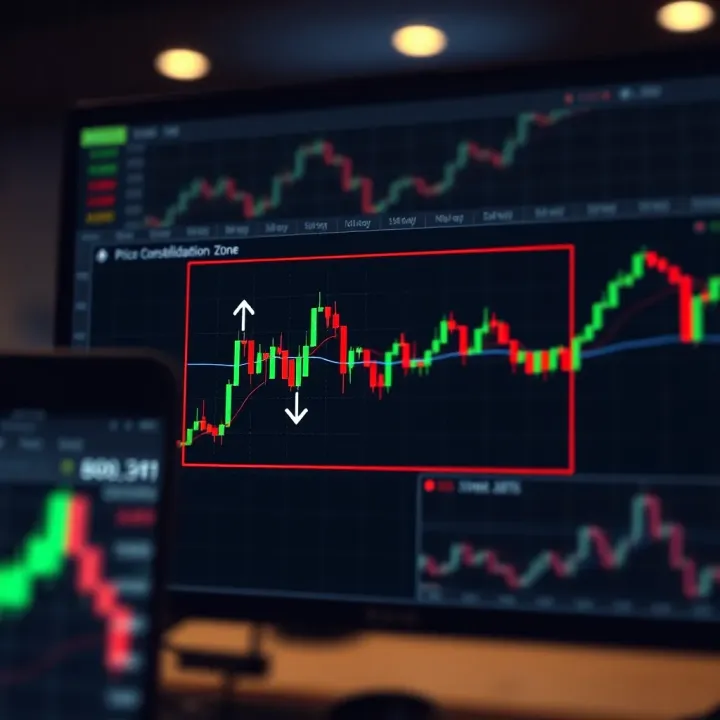
📊 Learn how Box Theory Trading helps spot sideways price moves before breakouts or reversals. Master risk and strategies suited for Indian traders.
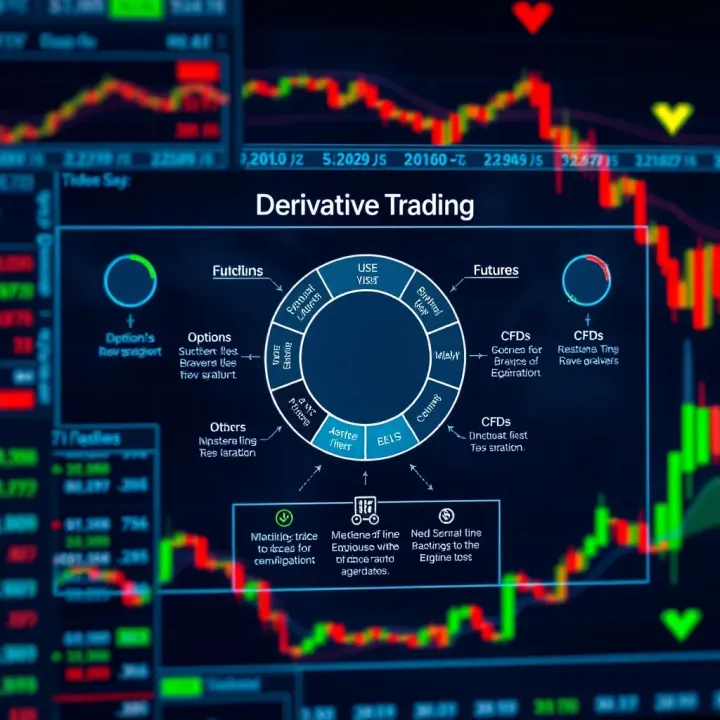
📊 Understand deriv trading basics, types, risks & regulations in India. Get tips for smart investing and explore top platforms for CFDs, options & futures trading.
Based on 10 reviews