
Forex Trading Accounts Explained for Indian Investors
Learn how to open a forex trading account in India, explore types of accounts, pick reliable brokers, manage risks, and understand legalities for safer currency trading 📊💱.
Edited By
Sophie Bennett
Forex trading apps have become quite popular among Indian investors, thanks to their convenience and access to global currency markets. These apps allow you to buy and sell foreign currencies like the US dollar, euro, or yen against the Indian rupee, directly from your mobile or desktop.
Choosing the right forex trading app is important because it influences your trading experience, costs, and security. Not all apps available in India are reliable or compliant with regulations. It’s essential to select platforms that offer transparent pricing, real-time data, and user-friendly interfaces.
Many popular apps like Zerodha, ICICI Direct, and Upstox offer forex trading options, but they differ in features such as leverage, minimum investment, and supported currency pairs. For example, Zerodha offers easy access to major currency pairs and provides good educational resources, making it suitable for beginners.
Remember, forex trading carries risks including leverage-related losses, currency volatility, and regulatory limits, so choose apps that provide helpful risk management tools and clear disclosures.
When picking a forex trading app, consider factors such as trading costs (including spreads and commissions), margin requirements, customer support, and available technical analysis tools. Also, check if the app integrates with India’s tax filing systems or provides transaction statements for Income Tax Return (ITR) purposes.
Understanding the regulatory environment is crucial. Forex trading in India is governed by the Reserve Bank of India (RBI) and the Securities and Exchange Board of India (SEBI). Only authorised brokers registered with SEBI can offer forex trading services within legal limits. Apps operating outside this scope may expose you to legal or financial risks.
In this guide, we will explore key features of forex trading apps tailored for Indian traders, share practical tips for using them effectively, and outline regulatory requirements to keep in mind. This helps you trade wisely and safely in a market that is quickly evolving.
With the right knowledge and tools, forex trading apps can open new avenues for Indian investors looking to diversify portfolios or hedge against currency fluctuations. It’s about balancing opportunity with caution to make the most of available platforms.
Grasping how forex trading apps work is fundamental for Indian investors diving into currency markets. These apps bring the complexities of forex trading— which involves buying and selling currencies—right to your fingertips, making it crucial to understand their features and limitations to trade effectively.
Forex trading means exchanging one currency for another, aiming to profit from fluctuations in exchange rates. For instance, if you expect the US Dollar (USD) to strengthen against the Indian Rupee (INR), you might buy USD/INR currency pairs hoping to sell later at a higher rate. This market operates 24/5 globally, offering plenty of opportunities for investors.
Currency pairs consist of two currencies — the base currency and the quote currency. The pair shows how much of the quote currency is needed to buy one unit of the base currency. For example, in USD/INR, USD is the base and INR the quote. If the pair quotes 75, it means ₹75 are needed for 1 USD. Movements in these pairs reflect economic events, making it essential for traders to monitor global developments.
Forex trading offers high liquidity and accessibility, allowing Indian investors to enter with comparatively low capital. However, it also carries risks like volatility and leverage misuse. For example, high leverage can amplify gains but also exacerbate losses, potentially wiping out an entire investment in a short span. Therefore, understanding risk management is key before trading.
Most forex apps offer real-time quotes, order execution, and portfolio tracking. Some include educational sections, economic calendars, and technical analysis tools. For example, apps like MetaTrader 4 provide charting capabilities alongside chat rooms where traders share insights. These features help users make informed decisions on the go.
Mobile apps allow trading anywhere, providing flexibility and instant notifications. On the other hand, desktop platforms often offer a more robust environment for detailed analysis with multiple screens and custom indicators. A trader might begin with a mobile app but switch to desktop for deep technical work during market hours.
Receiving updated market data is critical in forex, where prices can shift rapidly within seconds. Apps use live feeds to display recent price movements and offer tools like candlestick charts, RSI, and moving averages. For example, an Indian trader can track RBI policy announcements through news feeds integrated with the app, adjusting positions accordingly.
Keeping up with live information and understanding app features can profoundly impact your trading success. Choose platforms that suit your style and provide reliable, timely data to navigate forex markets confidently.
Selecting the right forex trading app can make a significant difference in your trading performance and experience. A good app not only offers seamless access to the forex market but also supports your decision-making with reliable tools and security. For Indian investors, it's particularly essential to weigh factors like user experience, security, regulatory compliance, and the availability of robust trading tools before deciding.
A straightforward interface helps traders act quickly, especially in fast-moving forex markets. Apps cluttered with too many features can confuse even experienced traders. For instance, if you take an app like MetaTrader 5, the clean layout ensures you find currency pairs, charts, and order options within a few taps, reducing the risk of delays.
Traders have different strategies and preferences. A forex app should offer customisable settings—like adjustable charts, watchlists, and notification alerts—to suit individual needs. Customisation lets you focus only on relevant information and sets up your trading environment efficiently, which can be a real advantage during volatile market moments.
Forex trading demands apps that respond instantly. An app lagging or frequently disconnecting can cause missed opportunities or losses. Indian investors often rely on mobile data networks that vary in quality, so an app optimised for speed, even in low bandwidth, is vital. Popular apps like Zerodha's Kite and Upstox are known for their fast, reliable service.
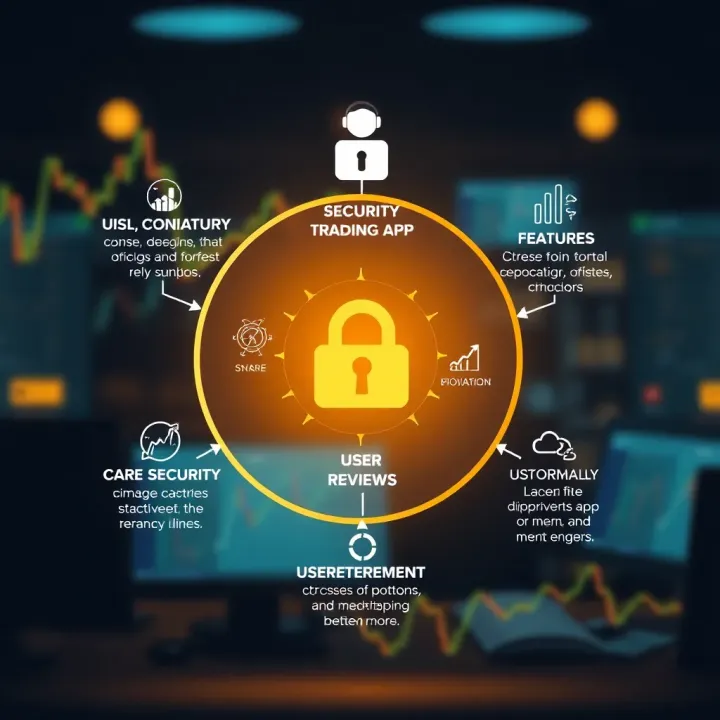
Trading apps must protect your funds and personal data. Features such as two-factor authentication (2FA), biometric login, and encryption of transaction data add strong security layers. Without these, your account could be vulnerable to hacks or unauthorised access, risking financial loss.
Indian forex traders must ensure the app complies with bodies like the Securities and Exchange Board of India (SEBI) and Reserve Bank of India (RBI). Compliance means the platform operates within Indian laws, reducing the chance of fraud or legal troubles. Using apps authorised by SEBI enhances trust and protection.
With sensitive financial information on the app, robust data privacy is necessary. Trading apps should clearly state how they collect, store, and use your data. For example, apps should limit data sharing with third parties and provide options to manage privacy settings. Ignoring these can lead to misuse of your data.
Effective forex trading relies heavily on chart analysis. Apps that offer advanced charting tools—like multiple time frames, technical indicators (RSI, MACD), and drawing tools—help traders make informed decisions. For example, trading on an app that provides real-time candlestick charts gives you an edge in spotting trends quickly.
Economic events greatly influence forex rates. Apps integrated with news feeds and economic calendars help you stay ahead. Knowing when the RBI announces policy rates or when US Non-Farm Payroll numbers drop can guide timely trading decisions.
Trading on margin can magnify losses. Look for apps that offer risk management tools like stop-loss and take-profit orders, margin alerts, and position sizing calculators. These features help you control losses and protect profits, which is essential for disciplined trading.
The right forex trading app balances ease of use, strong security, and comprehensive tools, all tailored for the Indian investor’s needs. Choosing carefully can help you trade smarter and safer.
By focusing on these key factors—user experience, security compliance, and robust trading resources—you'll be better positioned to select an app that supports your trading goals effectively while keeping your investments secure in the dynamic forex market.
Indian investors benefit greatly from choosing the right forex trading app, as these platforms directly influence their trading experience and outcomes. Popular apps tend to offer a mix of user-friendly features, reliable execution, and compliance with Indian regulations, all critical for a smooth trading journey.
Many leading forex trading apps available in India combine ease of use with powerful trading features. For instance, MetaTrader 4 (MT4) and MetaTrader 5 (MT5) remain popular among seasoned traders for their advanced charting tools and custom indicators. Meanwhile, apps like Zerodha Kite and Upstox Pro have grown by integrating forex trading with equity and commodity options, providing a one-stop solution.
The practical significance lies in matching the app's features with your trading style. Beginners may find apps with demo accounts and educational resources like ICICI Direct Forex more helpful. On the other hand, professional traders value apps offering fast execution speeds and low latency.
Brokerage charges and fees differ widely across platforms and impact profitability. Most Indian forex apps charge a percentage of the trade value or a fixed fee per trade. For instance, Zerodha charges brokerage of ₹20 or 0.01% per executed trade, whichever is lower, while international platforms may have different fee structures including spreads and overnight charges.
Understanding these fees helps you avoid unnecessary costs that eat into your profits. Also, some apps may offer zero brokerage on limited trades during festivals or special promotions, so keeping an eye on such offers can work to your advantage.
Customer support and educational resources are crucial for sustaining your trading activities. Apps like ICICI Direct Forex and HDFC Securities forex platform provide dedicated support through calls, chats, and emails, helping resolve technical glitches or concerns quickly.
Moreover, robust educational content including tutorials, webinars, and market analyses supports ongoing skill enhancement. This is especially valuable for traders new to forex, allowing them to build confidence while managing risks effectively.
Indian forex apps offer distinct advantages, primarily in understanding local regulations and offering INR-denominated accounts. They tend to ensure compliance with the Reserve Bank of India (RBI) and Securities and Exchange Board of India (SEBI) rules, reducing legal risks for traders.
Furthermore, local platforms often provide regional customer support that speaks your language, plus integration with popular Indian payment methods like UPI and net banking, making deposit and withdrawal processes smoother.
On the other hand, global platforms like OANDA or FXTM bring access to a wider range of currency pairs and advanced analytics tools unavailable locally. However, Indian traders must be cautious about potential compliance issues and forex regulations when using these apps.
Using international platforms also means managing currency conversions and possibly paying higher withdrawal fees. Regulatory oversight might be limited, increasing risks of scams or fund freezes. Hence, verifying the app’s legitimacy with SEBI or RBI listings remains essential.
Choosing between local and international forex trading apps depends on your trading needs, comfort with regulatory frameworks, and priorities like currency variety versus security and support.
In summary, selecting a forex app in India involves balancing features, fees, and compliance. Popular Indian apps focus on simplicity and regulation adherence, while international options cater more to advanced traders looking for breadth and depth in currency markets.
Understanding regulations and compliance is key to trading forex safely in India. The Reserve Bank of India (RBI) and the Securities and Exchange Board of India (SEBI) govern forex trading, ensuring that investors operate within legal boundaries and avoid scams. Given the complexities in foreign exchange laws and the possibility of financial losses, being aware of the rules helps traders protect their money and reputation.
The RBI plays a central role in regulating forex trading to maintain currency stability and prevent misuse of foreign exchange. It permits Indian residents to trade only in specific currency pairs, generally involving the Indian rupee (INR) against select foreign currencies. SEBI oversees the brokers and platforms that facilitate such trades, ensuring they comply with securities laws.
Together, RBI and SEBI provide a framework that restricts speculative trading in forex markets. For example, only trading currency pairs in approved segments like USD-INR or EUR-INR is allowed, mainly on recognised exchange platforms. This framework discourages unauthorised offshore trading and protects investors from dubious schemes.
Compliance with these bodies means that brokers must register with SEBI and operate transparently. They have to submit periodic reports, maintain client fund segregation, and follow KYC (Know Your Customer) norms strictly. This system helps traders verify and choose trustworthy platforms, lowering risks related to fraud or mismanagement.
Indian residents can trade forex legally only in approved currency pairs where the Indian rupee is involved. Pairs like USD/INR, EUR/INR, GBP/INR, and JPY/INR are typically allowed. Trading in cross-currency pairs without INR or currency pairs involving cryptocurrencies is mostly prohibited.
This restriction aims to control excessive foreign exchange volatility and reduce risks linked to offshore currency speculation. For instance, if a trader in Mumbai tries to trade a pair like EUR/USD directly, that trade would not be compliant with RBI regulations and could lead to penalties or account blocking.
By sticking to these guidelines, investors avoid legal trouble and comply with India’s strict foreign exchange management laws. This also ensures their trades are settled through recognised Indian banks, offering an added layer of security.
Brokers offering forex trading services in India must register with SEBI and adhere to its compliance norms. They have to maintain transparent transaction records, supervise client accounts carefully, and ensure fair trading practices.
These brokers also must implement robust systems to protect investors’ funds and personal data. For example, they need to enforce KYC protocols and anti-money laundering procedures. Non-compliance can lead to fines, licence revocation, or legal action.
Hence, Indian traders should always confirm that their broker complies with SEBI guidelines. This guarantees legal cover and supports dispute resolution in case issues arise.
Trading through unregulated forex apps carries significant legal and financial risks. These platforms operate outside RBI and SEBI’s jurisdiction, making them vulnerable to shutdowns or legal notices. Traders risk losing access to their accounts or funds without any recourse.
Financial losses from unregulated apps can run into lakhs. Unscrupulous platforms often manipulate prices, charge hidden fees, or delay withdrawals. Without regulatory oversight, investors end up shouldering full risk.
Always prioritise authenticity verification before investing. Use official SEBI lists to confirm if a broker is registered. Check customer reviews and consult forums for user feedback.
Verifying app authenticity involves:
Confirming SEBI registration number directly on regulatory websites
Checking whether the app uses recognised payment gateways linked to Indian banks
Reviewing the app's update history and developer credentials on official app stores
By doing these checks, traders can avoid scams and select platforms that follow Indian laws. It protects their capital and contributes to a safer trading environment.
Trading forex through mobile apps has made currency markets more accessible, but along with convenience comes the need for caution. Managing risk, sharpening your trading skills, and securing your digital space play a vital role in protecting your investments and making informed decisions. These practical tips help Indian investors navigate the fast-moving forex market while keeping their capital safe and enhancing their overall trading experience.
Setting stop-loss and take-profit levels acts as an automatic safety net for your trades. By fixing a stop-loss point, you limit your maximum loss when the market moves against you, preventing emotional decisions during volatile periods. For example, if you buy EUR/USD at 1.10, setting a stop-loss at 1.08 helps cap your loss if the pair dives unexpectedly. Similarly, take-profit levels lock in desired gains when your target price is reached, ensuring you don’t miss out on profits due to sudden reversals.
Avoiding over-leverage is crucial because leverage magnifies both profits and losses. While brokers often offer leverage ratios like 50:1 or even 100:1, Indian investors should be cautious; high leverage can wipe out capital quickly. Keeping leverage low or moderate, say 5:1 to 10:1, helps maintain control over risk and reduces chances of margin calls that force sudden account liquidation.
Diversifying trading positions means spreading investments across different currency pairs or market segments to reduce risk exposure. Relying on a single currency pair like USD/INR can be risky if that market suddenly moves out of favour. Diversification guards your portfolio from sharp swings in one particular pair and balances overall risk, much like how Indian investors diversify between equity, debt, and gold.
Using demo accounts before committing real money allows you to practise strategies without risking capital. Demo accounts simulate live market conditions, providing a sandbox to test trading tactics, understand app functionalities, and build confidence. Many apps like MetaTrader 4 or Zerodha offer this feature, making them ideal for beginners.
Accessing educational resources transforms you from a novice into a savvy trader. Reliable apps provide tutorials, webinars, and articles that explain technical analysis, indicators, and trading psychology. For instance, regularly reading reports or watching videos on economic factors affecting INR can sharpen your judgment.
Tracking and analysing past trades helps identify strengths and weaknesses in your approach. Using your app’s history feature, review winning and losing trades to spot patterns or mistakes. This practice encourages continuous improvement by learning from your own behaviour rather than relying solely on external advice.
Enabling two-factor authentication (2FA) adds an extra layer of security beyond passwords. Even if someone guesses your password, 2FA requires a second verification step—often a code sent to your mobile—which significantly reduces the risk of unauthorised access.
Avoiding public Wi-Fi for trading prevents interception of sensitive data. Public spots in cafes or railway stations often have unsecured networks that hackers target. It’s safer to use a private, secured internet connection or a trusted VPN when making trades or transferring funds.
Regularly updating app and device software patches security vulnerabilities that could be exploited. Developers release updates to fix bugs and improve protection; neglecting these updates risks exposure to malware or data breaches. Indian investors should enable automatic updates on mobile devices to stay protected effortlessly.
Smart trading is not just about picking the right currency pair but also practising sound risk management, continuous learning, and strong digital security.
Following these practical tips helps Indian forex traders build a resilient approach, reducing losses, improving skills, and safeguarding their investments in today’s competitive market.
Learn how to open a forex trading account in India, explore types of accounts, pick reliable brokers, manage risks, and understand legalities for safer currency trading 📊💱.

Explore practical forex trading blogs tailored for Indian traders 🇮🇳 to find expert tips, trustworthy strategies, and insights to boost your trading skills and success.
Explore demo trading for Indian investors: practise share trading risk-free with virtual funds, learn effective strategies, set up demo accounts, and transition smoothly to real trading 📈
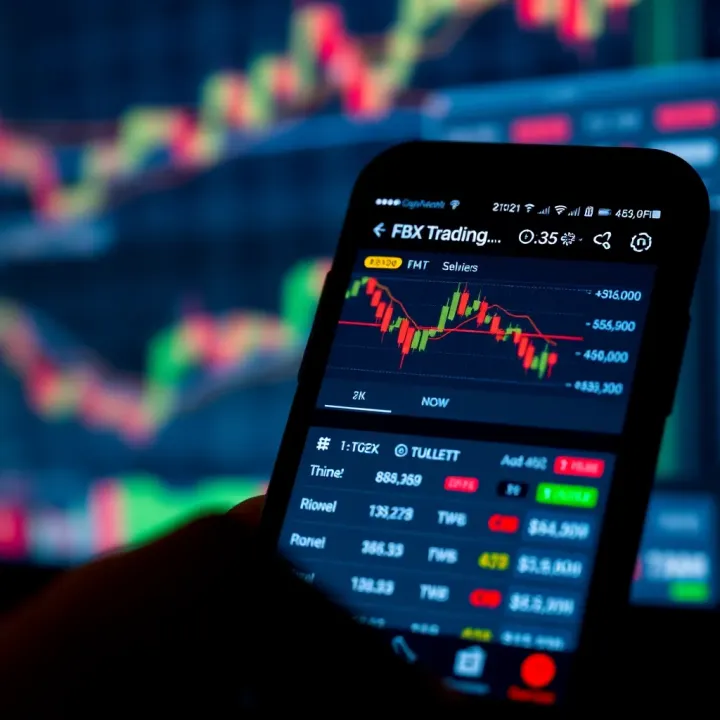
Explore how forex trading demo apps help beginners practise currency trading risk-free using real market conditions. Learn features, benefits, app choice, & tips 📱💹
Based on 6 reviews