

Legal Status of Delta Exchange in India
🔍 Understand Delta Exchange's legal status in India, crypto derivatives regulations, compliance issues, and safe trading tips for Indian investors on foreign platforms.
Edited By
Liam Foster
Choosing the right cryptocurrency exchange can be tricky, especially for Indian investors aiming to balance cost, security, and ease of use. KuCoin and Binance are two major players that often come up in discussions, but their offerings differ in ways that matter.
Binance claims the title of the world's largest crypto exchange by trading volume, offering a vast range of cryptocurrencies and advanced trading options. On the other hand, KuCoin, while not as large, has carved out a loyal user base thanks to its diverse asset selection and user-friendly interface.
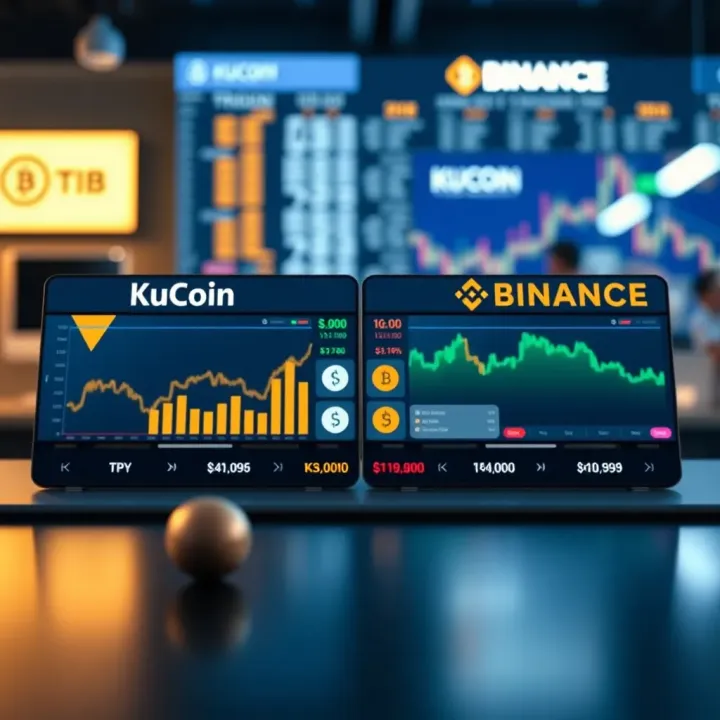
Both platforms provide features like spot trading, futures, staking, and lending. However, the fees, regulatory compliance, and customer support differ, impacting your experience depending on trading style and priorities.
Indian users should pay close attention to regulatory aspects since the Reserve Bank of India (RBI) and other authorities keep crypto regulations evolving. Binance has faced regulatory scrutiny in several countries, including warnings from Indian regulators. KuCoin operates with a lighter footprint but is still not fully regulated in India.
Here's a quick overview:
Trading Fees: Binance generally offers lower fees, especially if you use Binance Coin (BNB) to pay fees. KuCoin’s fees are competitive but slightly higher.
Cryptocurrency Range: Binance lists over 600 tokens, while KuCoin has around 500. KuCoin includes some niche altcoins that aren’t available on Binance.
Security: Both exchanges use two-factor authentication (2FA) and cold storage. Binance suffered a high-profile hack in 2019 but reimbursed users promptly. KuCoin faced a hack in 2020 but also compensated users.
User Interface: Binance offers a more complex interface suitable for experienced traders. KuCoin caters well to beginners and intermediate users with an intuitive design.
Customer Support: Binance provides 24/7 live chat, while KuCoin has ticket-based support and a community forum.
Making the right choice depends on your trading habits and comfort with risk. Traders looking for advanced tools and the lowest fees might prefer Binance, while those valuing a straightforward experience and unique tokens could lean towards KuCoin. The next sections will break down these factors in detail to help you decide.
Understanding the basics of KuCoin and Binance is key before diving into their features, fees, and security. This overview sets the stage for informed choices, especially for Indian traders who juggle varying needs and regulatory concerns. Knowing each exchange's background helps gauge their stability, credibility, and suitability.
KuCoin launched in 2017, carving a niche quickly by focusing on user-friendly experience and diverse asset choices. Initially targeting smaller investors, it offered a wide range of tokens, including many lesser-known altcoins. This approach attracted traders looking to explore beyond mainstream cryptocurrencies like Bitcoin and Ethereum. Over the years, KuCoin expanded its services, introducing futures and margin trading, staking options, and launchpads for new crypto projects. Its growth was steady but not as aggressive as some competitors, mainly focusing on building community loyalty and innovative features.
Binance, founded in 2017 in China, is now the world’s largest cryptocurrency exchange by trading volume. Its rapid rise was driven by aggressive expansion strategies, a vast selection of cryptocurrencies, and a global outreach that includes a strong presence in India through local language support and Indian rupee (INR) trading pairs. Binance constantly adds new features like savings accounts, NFT marketplaces, and a fiat gateway. Its backing from major investors and fast product development cycles make it a dominant force in the crypto ecosystem.
In India, Binance enjoys massive popularity owing to its comprehensive offerings and ease of use. It supports INR deposits through multiple payment methods and integrates well with popular Indian payment apps. KuCoin, while lesser-known compared to Binance, has been gaining ground by catering to niche traders interested in emerging tokens and community-driven projects. Indian users also appreciate KuCoin's relatively low fees and straightforward interface. However, regulatory uncertainty in India makes users cautious, and both platforms have adapted by adjusting their compliance measures to reassure Indian customers.
Choosing the right exchange comes down to understanding these origins and market positions—Binance offers vast scale and variety, while KuCoin presents a focused, flexible alternative that might suit specific trading needs better.
This background helps Indian investors decide which platform aligns better with their trading goals and risk appetite.
Choosing the right cryptocurrency exchange largely depends on the features and trading options it offers. These determine how well the platform fits your trading style and investment goals. From the variety of cryptocurrencies available to the types of trading supported and additional services like staking, these aspects shape user experience and potential profitability.
Both KuCoin and Binance offer extensive selections of cryptocurrencies, which appeals to traders looking to diversify. Binance lists over 500 coins including popular ones like Bitcoin (BTC), Ether (ETH), and emerging tokens such as Solana (SOL) or Avalanche (AVAX). It also provides a vast number of trading pairs across fiat and crypto. KuCoin, on the other hand, supports around 300 coins but often includes newer, lesser-known altcoins. This makes it attractive for investors seeking early access to fresh projects. For example, if you want to trade Indian rupee-backed stablecoins like INRPe or INRX on Binance, it is quite straightforward. KuCoin’s strength lies in its range of paired options with coins like KCS (KuCoin Token) enhancing trader advantages.
Spot trading is standard on both platforms, allowing users to buy and sell cryptocurrencies instantly. Both exchanges also offer futures trading with leverage, but Binance provides more advanced features here with up to 125x leverage on selected futures pairs. KuCoin typically offers up to 10x leverage, which might appeal to conservative traders. Margin trading is available too, though Binance provides a more comprehensive suite with cross and isolated margin options. Active traders looking for aggressive exposure or hedging can benefit from Binance’s breadth, while beginners may find KuCoin’s simpler margin setup less overwhelming.
Beyond trading, KuCoin and Binance support staking, where you lock your crypto to earn rewards. Binance supports a larger number of stakable coins and flexible terms. KuCoin also offers lending services, allowing users to lend their crypto and earn interest, suitable for those wanting passive income. Both platforms run launchpads — Binance Launchpad and KuCoin Spotlight — offering early access to initial exchange offerings (IEOs). These can be lucrative but carry higher risks, so they suit investors with a higher risk appetite.
Feature sets vary, but the correct choice depends on your trading style. For Indian investors, considering these specific features alongside regulatory clarity and costs helps decide which exchange suits your needs best.

In summary, Binance is strong in trading depth, advanced futures, and broad crypto options, making it well-suited for seasoned traders. KuCoin’s diverse but smaller token list and user-friendly approach favour those exploring emerging coins or cautious about leverage. Assessing these key features next to your trading goals ensures you pick the platform best aligned to your needs.
Security and regulatory compliance are key factors when choosing a cryptocurrency exchange, especially for Indian traders and investors. These elements safeguard user funds, ensure platform reliability, and help users navigate the evolving legal landscape in India. Both KuCoin and Binance adopt various security protocols, but their approaches and regulatory standing differ, impacting trust and usability.
KuCoin places strong emphasis on user protection through multiple layers of security. It uses two-factor authentication (2FA), which involves linking your account to a mobile authenticator app, adding a second step beyond just a password. Beyond this, KuCoin supports withdrawal whitelist options, so you receive alerts whenever a withdrawal is attempted from an unrecognised device. Additionally, KuCoin employs cold wallets to store most users’ funds offline, cutting down the risk of hacking.
KuCoin has also implemented advanced encryption for personal data and transaction security. However, it experienced a significant hack in 2020 when around $280 million worth of assets were stolen. While KuCoin's swift response and insurance funds helped users recover assets, this event is worth considering for risk-aware traders.
Binance is among the top exchanges globally partly due to its sophisticated security framework. The platform uses multiple security layers, including 2FA, anti-phishing codes, and IP address filtering, which blocks suspicious login attempts. Binance’s Secure Asset Fund for Users (SAFU) sets aside a percentage of trading fees to reimburse users in case of hacking incidents, providing an extra safety net.
The exchange also pursues continuous security audits and penetration testing. For Indian users, Binance offers identity verification aligned with global standards, such as Know Your Customer (KYC) and Anti-Money Laundering (AML) policies, strengthening account protection. While Binance faced regulatory warnings in India, it remains proactive about upgrading security features to protect its growing user base.
Regulation remains a complex issue for cryptocurrency exchanges operating in India. The Reserve Bank of India (RBI) does not permit banks to directly deal in cryptocurrencies, creating challenges for platform-bank linkages. Neither KuCoin nor Binance holds a formal licence in India, as the country continues to draft clearer crypto regulations.
That said, Binance's user base in India is significant and it complies with global KYC and AML norms, helping Indian traders meet tax and compliance requirements. KuCoin similarly offers KYC verification but has less visibility compared to Binance.
Indian investors must understand that trading on offshore platforms like KuCoin and Binance carries regulatory ambiguity. Keeping transaction records for Income Tax Returns (ITR) and monitoring RBI updates on cryptocurrency rules are essential practices.
Overall, security features and compliance form the backbone of trust in crypto exchanges. While Binance often leads on regulatory engagement and safety measures, KuCoin's robust security protocols also appeal, especially for traders seeking diverse assets. Indian users should weigh both safety and legal aspects before committing to either exchange.
Fee structures significantly influence your overall trading experience and profitability on crypto exchanges. For Indian investors, even small differences in fees can add up, especially when trading frequently or withdrawing funds often. Understanding these costs helps you compare KuCoin and Binance not just by features, but by how much you actually pay to trade and move money.
KuCoin charges a standard trading fee of 0.1% per trade, which applies whether you’re buying or selling. This rate stays the same for spot trading, and the platform offers discounts if you pay fees using its native KuCoin Token (KCS) or if you trade large volumes monthly. For withdrawals, KuCoin’s fees vary depending on the cryptocurrency. For instance, withdrawing Bitcoin (BTC) costs 0.0005 BTC, while Ethereum (ETH) withdrawal fees are 0.005 ETH. These fees may seem small, but they matter if you regularly move assets in and out. KuCoin’s fees are competitive and generally lower than many alternatives, appealing to cost-conscious traders.
Binance’s base trading fee also stands at 0.1%, similar to KuCoin. However, Binance provides multiple ways to lower fees. Paying with Binance Coin (BNB) reduces fees by 25%, bringing the cost down to 0.075%. Binance has a tiered fee structure based on monthly trading volume and BNB holdings, so high-volume traders can pay as low as 0.02%. Withdrawal fees on Binance can vary widely; for example, Bitcoin withdrawals cost 0.0004 BTC, which is slightly cheaper than KuCoin, but some coins have higher withdrawal charges. Overall, Binance offers more fee flexibility, especially benefiting active traders who manage to meet criteria for lower rates.
For Indian retail investors, fee considerations go beyond percentages. Frequent traders or those dabbling in smaller amounts should watch trading fees as these can erode gains over time. Withdrawal fees also play a role when shifting crypto to personal wallets or other platforms. Since Indian users often face multiple conversions (INR to crypto and back), minimising fees can preserve capital.
Regular and small trades mean fees add up quickly; platforms with discount options or lower withdrawal charges, like KuCoin and Binance, can be more wallet-friendly.
Tax implications also make it important to track how fees affect realised profits and losses throughout an Indian financial year. Hence, comparing KuCoin’s simple fee model with Binance’s tiered discounts helps Indian investors pick what suits their trading style and frequency best.
In short, while both exchanges are competitive, your choice depends on how much you trade, which crypto you prefer, and whether you value straightforward pricing or greater discounts for volume and loyalty.
User experience (UX) and customer support heavily influence how traders and investors interact with cryptocurrency exchanges like KuCoin and Binance. A smooth interface and prompt assistance can prevent costly errors and create trust, especially in a high-stakes environment like crypto trading. For Indian users juggling busy schedules and fluctuating market trends, ease of use and reliable help can make all the difference.
Both KuCoin and Binance offer desktop and mobile applications, but their approaches to interface design differ. Binance uses a clean, intuitive layout tailored for beginners and frequent traders alike. Its mobile app supports multi-language options, including English and Hindi, which suits India's diverse user base. The advanced charting tools and quick order placement features are highlights for active traders.
KuCoin’s interface, meanwhile, caters more to experienced users who appreciate slightly more technical depth upfront. Its mobile app includes customisable watchlists and alerts, helping users stay on top of their portfolios. However, some new users may find KuCoin’s navigation less straightforward than Binance’s, especially on mobile.
In practical terms, Indian traders who prefer a straightforward, user-friendly experience might favour Binance, while those comfortable with technical trading terms and features could lean towards KuCoin. Both platforms support fast order execution on mobile, essential during volatile market swings.
Customer support can be a decisive factor, especially when recovering from account issues or transaction glitches. Binance provides 24/7 live chat support and email options, frequently updating its help centre to include troubleshooting guides tailored for Indian users. It also offers a dedicated hotline during major market events.
KuCoin offers email support and a ticketing system but lacks round-the-clock live chat. Response times can vary, occasionally taking up to 24 hours, which might frustrate active traders needing quick solutions. However, KuCoin often compensates with detailed FAQ sections and community engagement.
Given India's evolving regulations around cryptocurrency, timely customer support plays an important role. Binance’s quicker and more accessible support framework generally appeals to the Indian market, where users expect real-time assistance.
Both exchanges invest in community-building and education but differ in scope. Binance runs extensive webinars, video tutorials, and regular market analysis, useful for Indian investors working on improving their trading skills or understanding crypto trends. The platform’s active social media presence and Telegram groups also provide informal peer support.
KuCoin promotes its own community via forums and social channels but tends to focus on crypto enthusiasts who already possess some market knowledge. Its educational materials lean towards detailed technical explanations, which may seem overwhelming for beginners.
Engaging community platforms combined with quality educational content empower traders to make informed decisions and stick with their investment strategies.
To sum up, Binance offers a more beginner-friendly environment with readily accessible support, making it suitable for many Indian users. KuCoin, on the other hand, appeals to experienced traders seeking in-depth tools and technical resources but requires more patience with support services.
Balancing these factors will help Indian traders pick the exchange aligning better with their experience level and trading style.
Picking the right crypto exchange is about matching the platform to your specific goals and habits. The right choice can help you save costs, trade smarter, and stay compliant with regulations, especially for investors in India. Both KuCoin and Binance offer unique features, but understanding your needs makes the difference.
Long-term investors focus on security, ease of use, and access to a broad range of cryptocurrencies for portfolio diversity. Binance has a proven track record for robust security with multi-tier protection and insurance funds to cover user losses during attacks. Its staking and saving products suit investors aiming for steady, passive income from their crypto holdings. For example, someone holding Bitcoin or Ethereum for years might appreciate Binance's lock-in staking that gives predictable returns, while also offering easy withdrawal options.
KuCoin shines here as well, with flexible staking and lending solutions designed for those who want more control over asset utilisation. Its slightly lower fees can add up over long-term investments, which benefits those who plan to buy and hold large sums. However, investors must evaluate regulatory clarity, given Binance’s stronger presence and formalities recognised by Indian regulators so far.
Active traders require fast order execution, low fees, and advanced order types. Binance leads with high liquidity, deep order books, and a wide variety of products including spot, futures, and margin trading. Its interface supports algorithmic traders and provides real-time analytics, critical for timed entries and exits.
KuCoin caters to active traders seeking a wide variety of altcoins beyond the mainstream options. It allows trading with lower fees for VIP users and offers an inviting platform for niche token speculation. For instance, traders dealing in new DeFi tokens often find KuCoin's offerings broader and more experimental, a plus for those who want to catch early trends but also means higher market risks.
Support for Indian customers means considering payment options, language accessibility, and responsiveness. Binance provides INR deposit and withdrawal through UPI and bank transfers, facilitating easy fiat on-ramps. Its customer service offers quick resolution and multilingual support suited for Indian users.
KuCoin currently lacks direct INR integration and relies more on crypto-to-crypto trading, which may be a hurdle for new investors in India. Its customer support is improving but still trails behind Binance in terms of localised assistance and regulatory updates. For Indian traders, this can impact timely resolution of issues or clarity on compliance.
Choosing an exchange boils down to understanding your trading style and how the platform supports it. Think about fees, security, assets offered, and local support before committing.
In short, Binance suits those who value strong regulatory frameworks, ease of fiat deposit, and comprehensive trading tools. KuCoin appeals to those looking for more altcoin options and flexible investment services, provided they are comfortable with more crypto-focused trading and self-guided compliance. Your trading pace, asset preference, and requirement for local support should guide your decision.
🔍 Understand Delta Exchange's legal status in India, crypto derivatives regulations, compliance issues, and safe trading tips for Indian investors on foreign platforms.

Explore Delta Exchange vs Binance 🔄 to find the ideal crypto platform for Indian traders. Compare fees, security, features, support & user experience before investing! 💹

Find the best computer for trading in India 💻. Explore hardware, software, connectivity & budget tips for smooth, efficient stock market decisions 📈.
Learn how to sell Bitcoin safely and legally in India 🇮🇳. Explore when to sell, methods, tax duties, security tips, and solve common challenges with confidence 💰.
Based on 10 reviews