
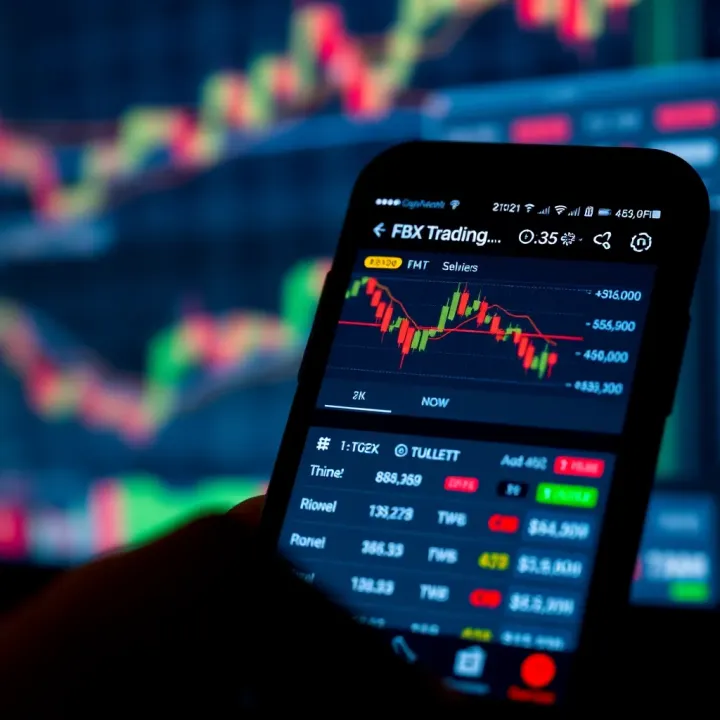
Forex Trading Demo Apps: Beginner's Guide
Explore how forex trading demo apps help beginners practise currency trading risk-free using real market conditions. Learn features, benefits, app choice, & tips 📱💹
Edited By
George Mitchell
Forex trading, or foreign exchange trading, involves buying and selling currencies on the global market. For beginners in India, it might seem complex at first, but understanding the basics will give you a solid start. This guide breaks down what forex trading means, how to get going safely, and the tools you need.
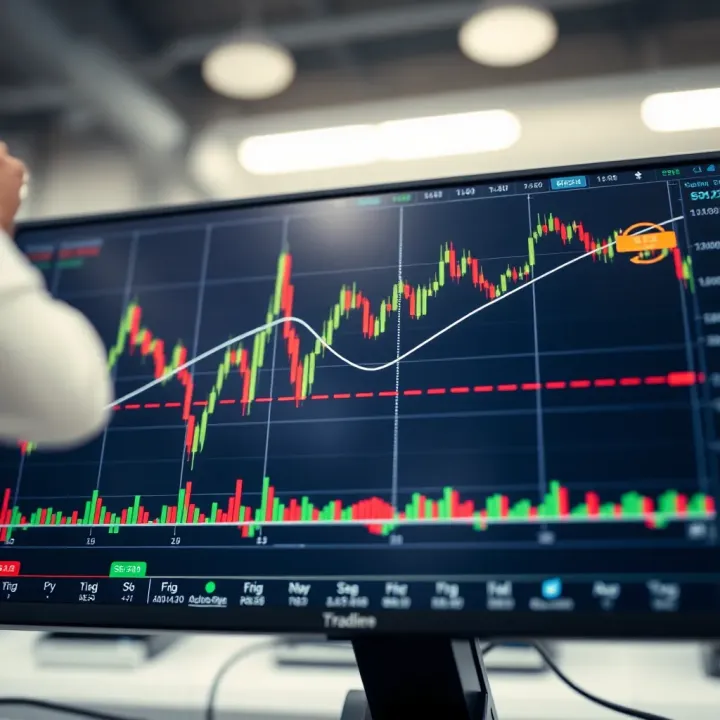
The forex market is where currencies are exchanged. For example, if you expect the US dollar to strengthen against the Indian rupee, you can buy USD/INR currency pairs to try and profit from the move. Unlike stock markets, forex runs 24 hours from Monday to Friday, making it convenient for traders across different time zones.
Trading forex provides opportunities to make money from currency fluctuations, hedge risks if you do international business, or diversify your investment portfolio. That said, it's not a get-rich-quick option; losses are part and parcel.
Choose a Regulated Broker: Always pick a broker registered with recognised Indian authorities like the Securities and Exchange Board of India (SEBI) or one compliant with international standards. Examples include ICICI Direct and Zerodha - these platforms offer forex trading in accordance with RBI regulations.
Open a Trading Account: Complete KYC (Know Your Customer) formalities and link your bank account to fund your trading.
Learn the Terminology: Terms like 'pip' (smallest price change), 'lot size', 'leverage', and 'spread' are critical to understand real trading.
Start with a Demo Account: Most brokers offer simulated trading environments for practice without risking real money.
Taking a slow and steady approach helps manage risks while building your trading skills.
Trading platforms like MetaTrader 4/5 or broker-specific software.
Economic calendars to track events influencing currency values.
Analytical tools such as charts, indicators, and expert advice.
Being familiar with these tools will prepare you better to read market movements and plan your trades.
Overall, forex trading demands discipline, knowledge, and steady practice. From understanding currency pairs to following global news that impacts markets, every bit of information builds your confidence. With this base, you’ll be ready to explore strategies and manage your risks efficiently.
Understanding forex trading fundamentals is the first step for anyone wanting to start trading currencies. Without a clear grasp of how forex works, traders often stumble into avoidable losses or confusion. Forex trading isn't just about guessing currency prices; it requires knowing the market mechanics, terminology, and how various factors influence currency movements.
Forex trading, or foreign exchange trading, involves buying one currency while simultaneously selling another. This two-way process means you trade currency pairs rather than single currencies. For example, when you buy EUR/USD, you're purchasing euros and selling US dollars at the same time. The forex market runs 24 hours a day, five days a week, making it the largest financial market globally, with a daily turnover exceeding $6 trillion.
The forex market operates through a network of banks, brokers, corporations, and individual traders globally, all connected electronically. Unlike stock markets that have central exchanges, forex is decentralised, with trading happening over-the-counter (OTC). Currency prices fluctuate based on supply and demand, geopolitical developments, economic data, and central bank actions, among other factors. For instance, a sudden interest rate hike by the Reserve Bank of India (RBI) can strengthen the rupee against other currencies.
Currency pairs represent the two currencies being traded against each other in the forex market. The first currency in the pair is the base currency, and the second is the quote currency. For example, in USD/INR, the USD is the base currency, and the INR is the quote currency. This pair shows how many Indian rupees one US dollar can buy. Understanding currency pairs helps you know which currency you are buying or selling and assists in analysing market trends more clearly.
A pip stands for "percentage in point" and is the smallest price move a currency pair can make. Typically, one pip equals 0.0001 for most pairs. For example, if EUR/USD moves from 1.1200 to 1.1205, that’s a 5-pip movement. Lot size indicates how many units of the base currency you’re trading. Standard lots are 100,000 units, but mini (10,000) and micro (1,000) lots allow smaller trades, which suit beginners or those with limited capital. Pips and lot sizes directly affect your profit or loss, so knowing these is essential.
The spread is the difference between the buy (ask) and sell (bid) prices of a currency pair, effectively the broker’s fee. A narrow spread means lower trading costs, which helps in profitability, especially for frequent traders. Leverage allows you to control a larger position with a smaller actual investment. For example, using 1:100 leverage means you can trade ₹1 lakh worth of currency by putting in only ₹1,000. While leverage can amplify profits, it equally increases risks, requiring careful management.
Margin is the amount of money your broker requires to open a leveraged position. It acts like a security deposit. If your trade goes against you, the broker may use margin to cover losses. Stop loss is a risk management tool that automatically closes your trade at a predetermined price to limit losses. For example, setting a stop loss 50 pips below your entry price helps protect your capital if the market moves unfavourably. Using stop loss wisely can save you from large, unexpected losses.
Understanding these basics equips you to navigate the forex market with confidence, manage risks better, and make informed trading decisions rather than depending on luck or hearsay.
Starting forex trading in India requires clear steps to navigate the market safely and efficiently. Each stage, from picking a broker to using trading platforms confidently, impacts your trading success. This section outlines practical actions to set up and begin trading effectively with a focus on Indian regulations and market conditions.
Regulatory considerations are critical when choosing a forex broker. In India, regulated brokers need to comply with guidelines from the Reserve Bank of India (RBI) and the Securities and Exchange Board of India (SEBI). While direct forex trading on currency pairs like USD/INR is allowed through authorised brokers, trading in international pairs like EUR/USD with leverage is often restricted. Choosing a broker registered with SEBI ensures protection against fraud and promotes fair trading practices.
Trading platforms offered also matter a lot. Most brokers provide platforms like MetaTrader 4 or 5 that feature user-friendly interfaces, technical analysis tools, and real-time data. A good platform should support smooth order execution, customizable charts, and alerts. For example, many Indian traders prefer MetaTrader due to its availability and community support.

Broker fees and spreads directly affect your profitability. Brokers in India may charge spreads (the difference between buying and selling price) or commissions. Tight spreads are better for active traders, while beginners should be cautious of hidden fees like withdrawal charges. Comparing brokers on these costs helps reduce trading expenses.
Documents required typically include government-issued ID such as Aadhaar or PAN card, proof of address like a utility bill, and a bank statement. These documents help brokers comply with 'know your customer' (KYC) norms, which are mandatory for account opening in India.
Account types available vary with some brokers offering standard, mini, or demo accounts. Demo accounts let you practise without risking real money. Beginners should start with demo accounts before moving to live accounts that can be basic or feature advanced tools depending on investment levels.
Linking payment methods is essential for seamless deposits and withdrawals. Indian brokers commonly support UPI, net banking, and NEFT/RTGS transfers. Choosing brokers with easy and quick payment options helps avoid delays when funding your trading account.
MetaTrader basics include learning how to place orders, use stop loss and take profit features, and set alerts. Understanding these functionalities is essential before taking actual trades. MetaTrader's demo mode is great for getting hands-on experience.
Mobile trading apps allow you to trade on the go with most brokers offering Android and iOS apps. These apps give access to real-time quotes, charting, and trade management. For busy traders, mobile apps make it convenient to monitor positions anytime.
Using charts and indicators is fundamental to forex analysis. Platforms provide tools like moving averages, Bollinger Bands, and RSI (Relative Strength Index) to identify trends and entry-exit points. Learning to read these indicators improves decision-making and timing.
Starting forex trading involves more than just funds; choosing the right broker, setting up your account properly, and practising on reliable platforms build the foundation for successful trading in India.
This step-by-step approach helps you avoid common pitfalls while ensuring you comply with local laws and maximise your trading potential.
To trade forex successfully, you need more than luck — developing key skills is essential. This section highlights important areas every beginner must focus on to build a solid foundation for trading in forex markets.
Reading charts is the backbone of technical analysis. Charts display currency price movements over time, helping traders identify patterns and predict future trends. For example, candlestick charts show open, high, low, and close prices, giving clear visual signals about market sentiment. Practical use of charts lets you spot reversal or continuation signals and plan your entries or exits precisely.
Popular indicators add measurable insights to charts. Tools like the Relative Strength Index (RSI), Moving Averages, and Bollinger Bands help traders assess momentum, volatility, and trend strength. Suppose you notice RSI crossing below 30 for the USD/INR pair — that could indicate the currency is oversold and may bounce back. Using indicators wisely improves decision-making instead of relying just on gut feeling.
Trend analysis involves recognising the market's general direction — whether it’s moving up, down, or sideways. Understanding trends is crucial because "the trend is your friend" in trading. For example, if the GBP/USD pair shows a steady upward trend, a trader might prefer buying opportunities over selling, improving the odds of success. Spotting when a trend ends or reverses also helps avoid losses.
Impact of economic news on forex cannot be ignored. India’s GDP numbers, US Non-Farm Payroll jobs report, or China's trade balance announcements often cause sharp price moves. Traders who follow such events can anticipate volatility spikes and avoid getting caught on the wrong foot.
Interest rates and inflation are key drivers in currency strength. Higher interest rates typically attract foreign investment, strengthening the domestic currency. For instance, if the Reserve Bank of India (RBI) raises rates to control inflation, the rupee may gain against other currencies. Understanding these dynamics helps traders align their strategies with macroeconomic realities.
Geopolitical factors like elections, trade tensions, or conflicts affect forex markets unpredictably. For example, a sudden announcement of trade barriers between two countries can cause exchange rates to plummet or jump. Being aware of such news keeps traders prepared and able to react quickly, instead of losing money due to surprise events.
Setting stop loss levels is a must for limiting losses. A stop loss automatically exits a trade if the price moves unfavourably beyond a set point. For example, if you buy EUR/USD at 1.10 hoping for a rise, setting a stop loss at 1.08 avoids draining your capital if the price falls. This disciplined approach preserves your balance over time.
Managing trade size means adjusting how much money you put into a single trade according to your total capital and risk tolerance. Beginners might risk only 1-2% of their capital per trade to protect themselves from big losses. Small trade sizes enable surviving the inevitable losing streaks without crippling your portfolio.
Keeping emotions in check is one of the toughest yet most crucial skills. Fear and greed can cloud judgement, leading to rushed decisions or holding losing positions for too long. Maintaining a clear mindset, following your trading plan, and accepting losses as part of the game build long-term consistency.
Solid forex trading isn’t about guessing the next move. It’s about learning, practising, and managing risks smartly. Developing these skills early sets you on a path to more confident and controlled trading.
By mastering technical analysis, understanding fundamental drivers, and practising strong risk controls, you prepare yourself to face the forex market’s ups and downs with greater resilience and insight.
Having a clear trading plan is the backbone of consistent success in forex trading. This plan acts like a roadmap, guiding decisions based on defined goals and risk tolerance rather than emotions or guesswork. Without a trading plan, beginners often find themselves jumping in and out of trades impulsively, which leads to losses.
A trading plan helps you set clear entry and exit rules, risk limits, and profit targets. It reduces the chance of emotional trading during market ups and downs. For example, suppose you decide to risk only 1% of your capital per trade and set a stop loss accordingly. This discipline prevents a single bad trade from wiping out a large portion of your balance. It's a way to protect your money and trade systematically.
Day trading basics: Day trading involves buying and selling currency pairs within the same day to capture small price movements. This approach suits traders who can monitor the markets frequently and react quickly. For instance, reacting to economic news releases during Mumbai trading hours could give opportunities to make profitable trades. However, it demands a strong strategy and risk control because losses can add up fast with frequent trades.
Swing trading overview: Swing trading holds positions for several days or even weeks to benefit from medium-term trends. This method fits those who can’t watch the market constantly but still want to capture significant price moves. A swing trader in India might spot a trend based on the Reserve Bank of India's monetary policy announcements and hold positions accordingly. It's less stressful than day trading but requires patience and analysis of broader market factors.
Using demo accounts: Demo accounts simulate real trading without risking actual money. Beginners can practise strategies, understand platform features like MetaTrader, and test risk management techniques. Imagine learning to set stop losses and take profits in a demo account till you are confident, before moving to live trading with real ₹ deposit. This practice helps avoid costly mistakes early on.
Maintaining a trading journal: Writing down every trade with details like entry price, exit price, reason for trade, and emotions involved helps build self-awareness. Over time, patterns emerge showing which setups work best and where mistakes happen. A typical entry in a journal might note, "Bought USD/INR at 74.50 after positive US job data; exited at 75.00 with 50 pips profit; stayed calm despite volatility." Such records guide future decisions.
Analysing wins and losses: Reflecting on past trades to understand why you won or lost sharpens your skills. For example, if many losses occurred due to ignoring stop loss rules, it signals a need to stick strictly to risk limits. Reviewing trades monthly helps fine-tune strategies and improve money management, making your trading more consistent and less stressful.
Building a solid trading plan and regularly reviewing your trades are habits that separate serious traders from hopefuls. They empower you to act with logic, not impulse.
This strategy-focused approach equips you to trade smarter and gradually grow your forex account, especially in dynamic Indian market conditions.
Starting in forex trading without reliable resources can be daunting. For beginners, access to quality educational materials, supportive communities, and clear understanding of regulatory guidelines is vital. These elements help build confidence, reduce costly mistakes, and ensure you follow legal norms, especially in the Indian market.
Many platforms offer courses tailored for Indian traders, ranging from free basics to advanced paid modules. For example, Zerodha Varsity provides comprehensive, free lessons on forex that cover fundamental concepts and practical strategies. On the other hand, paid courses from providers like Elearnmarkets offer deeper insights and personalised mentoring, which might suit those ready to invest in their skills.
Choosing between free and paid options depends on your learning style and budget. Free courses give a solid start and help evalute your interest without pressure. Paid ones usually include interactive elements, certification, and better support, which can be handy once you commit seriously.
Visual learning through videos and live webinars plays a crucial role in forex education. Platforms like YouTube host channels focused on forex trading, explaining chart reading and live trading sessions, which are easier to follow than text alone.
Live webinars, often hosted by brokerages such as ICICI Direct or Upstox, provide real-time interaction and clarify doubts immediately. They also bring current market insights and updates that generic courses might miss. Watching these helps understand fast-moving market dynamics better.
Connecting with peers can boost your learning curve. Platforms like TradingView and Forex Factory have forums where Indian traders discuss strategies, market changes, and broker reviews. Indian WhatsApp groups and Telegram channels dedicated to forex also offer instant updates and discussions.
Engaging in these communities keeps you informed about trending topics and practical experiences, sometimes revealing pitfalls specific to Indian regulations or local brokers, which textbooks won’t cover.
Peer groups help minimise trading isolation, which often leads to emotional decisions. Sharing experiences allows beginners to learn from others' wins and losses, and receive encouragement during slumps.
Moreover, feedback from experienced traders can refine your strategy, while diverse viewpoints prevent narrow thinking. Supportive peers act as a safety net when you face uncertainty in volatile markets.
The RBI regulates currency inflows and outflows, which directly impact forex trading in India. It controls the foreign exchange reserves and issues guidelines on permissible transactions, influencing liquidity and volatility in currency markets.
Understanding RBI’s policies on forex exposure and remittances is essential for Indian traders to stay compliant and avoid penalties, especially when trading contracts for difference (CFDs) or via overseas brokers.
The Securities and Exchange Board of India (SEBI) oversees the securities market, including derivatives trading. SEBI permits trading in currency futures on recognised Indian exchanges like NSE and BSE.
However, trading forex spot pairs outside these exchanges using foreign brokers is generally prohibited due to regulatory concerns. Knowing SEBI's rules helps traders avoid illegal platforms and ensures funds safety.
Indian law restricts forex trading to currency derivatives traded on authorised exchanges. Spot forex trading is illegal unless routed through RBI-approved channels.
As a result, many Indian traders must be cautious when choosing brokers and instruments, preferring SEBI-registered entities. Violating these laws can lead to account freezes and legal action, highlighting the importance of adhering to official guidelines.
Keeping up with reliable education, peer networks, and regulatory knowledge significantly increases the chances of sustained success in forex markets for Indian beginners.
By leveraging proper resources and understanding the legal framework, you set a strong foundation to trade forex confidently and responsibly.
Explore how forex trading demo apps help beginners practise currency trading risk-free using real market conditions. Learn features, benefits, app choice, & tips 📱💹
Explore top trading apps in India 📱 Compare features, ease of use, costs, and security to pick the best platform for your trading style. Stay updated and trade smart!
🌟 Join forex trading contests to sharpen your skills, compete with peers, and win prizes. Learn contest types, strategies, benefits, and risks for smart trading success!
Understand forex trading sessions and their timings in IST 📈. Learn how Indian traders can spot the best trading hours, session traits, and strategies to boost profits.
Based on 10 reviews